Museum of History of Georgian Jews things to do, attractions, restaurants, events info and trip planning
Basic Info
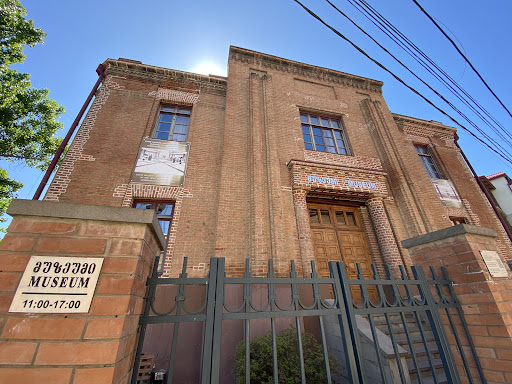
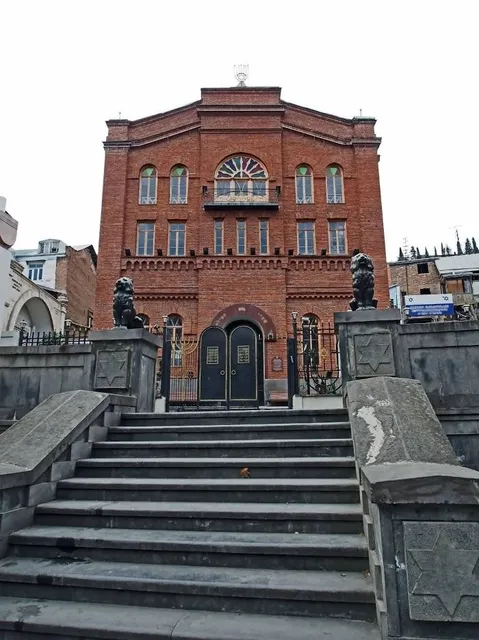
Museum of History of Georgian Jews
1 Anton Katalikosi St, Tbilisi, Georgia
4.0(108)
Closed
Save
spot
spot
Ratings & Description
Info
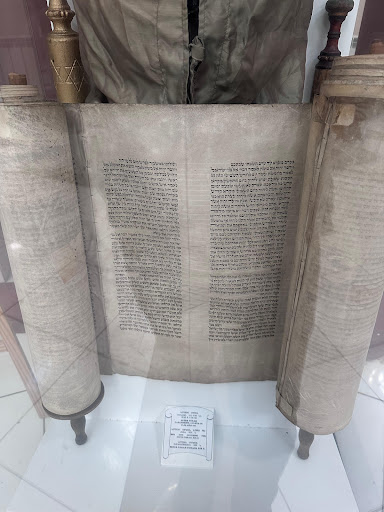
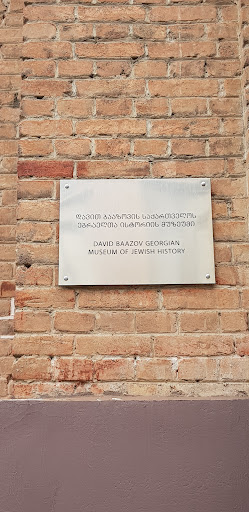
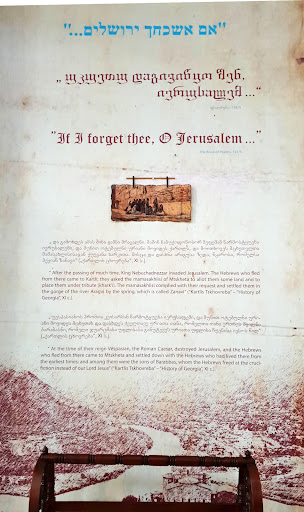
The David Baazov Museum of History of Jews of Georgia is a principal museum of the Jewish history and culture in Tbilisi, Georgia.
Cultural
Family friendly
Accessibility
attractions: Liberty square, Royal District Theater, Bridge of Peace, Monument of St. George, Shangri La, Tbilisi History Museum, Tbilisi's Jvari's Mama's Church, Mother of Georgia, Rike Park, Great Synagogue, restaurants: The Gin Corner, DEDA Tbilisi, Grafika, Veliaminov, Aroma: Indian and Arabic Restaurant, Stelzenhaus, L'ADO by Valiko Mansion, Thai in town restaurant Georgia, Prestige Restaurant, 20 Steps to Freedom, local businesses: Kebab House, Zion Cathedral of Tbilisi, Museum of Illusions Tbilisi, Cathedral of the Assumption of the Virgin, Galleria Tbilisi, THE VINTAGE kimono shop (@kimono_tbilisi), Meidan Bazar, Shantay Vintage Shop, ტურისტული კომპანია გუდ თრეველი - Good Travel, Goodwill
 Learn more insights from Wanderboat AI.
Open hoursSee all hours
Sun11 AM - 5 PMClosed
Plan your stay

Pet-friendly Hotels in Tbilisi
Find a cozy hotel nearby and make it a full experience.

Affordable Hotels in Tbilisi
Find a cozy hotel nearby and make it a full experience.

The Coolest Hotels You Haven't Heard Of (Yet)
Find a cozy hotel nearby and make it a full experience.

Trending Stays Worth the Hype in Tbilisi
Find a cozy hotel nearby and make it a full experience.
Reviews
Live events
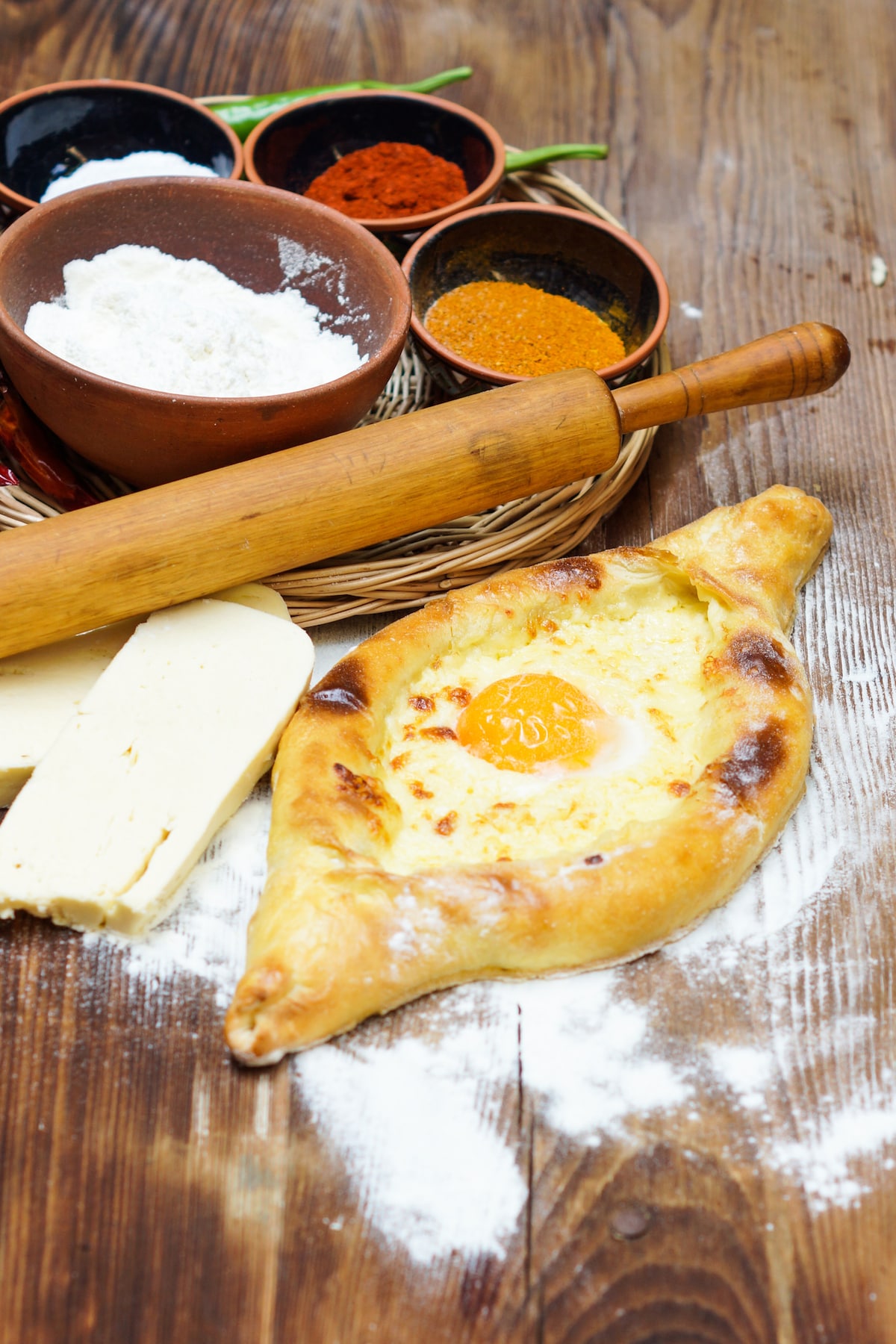
Learn Georgian grannys recipes
Sun, Feb 8 • 10:00 AM
Tbilisi, 0108, Georgia
View details
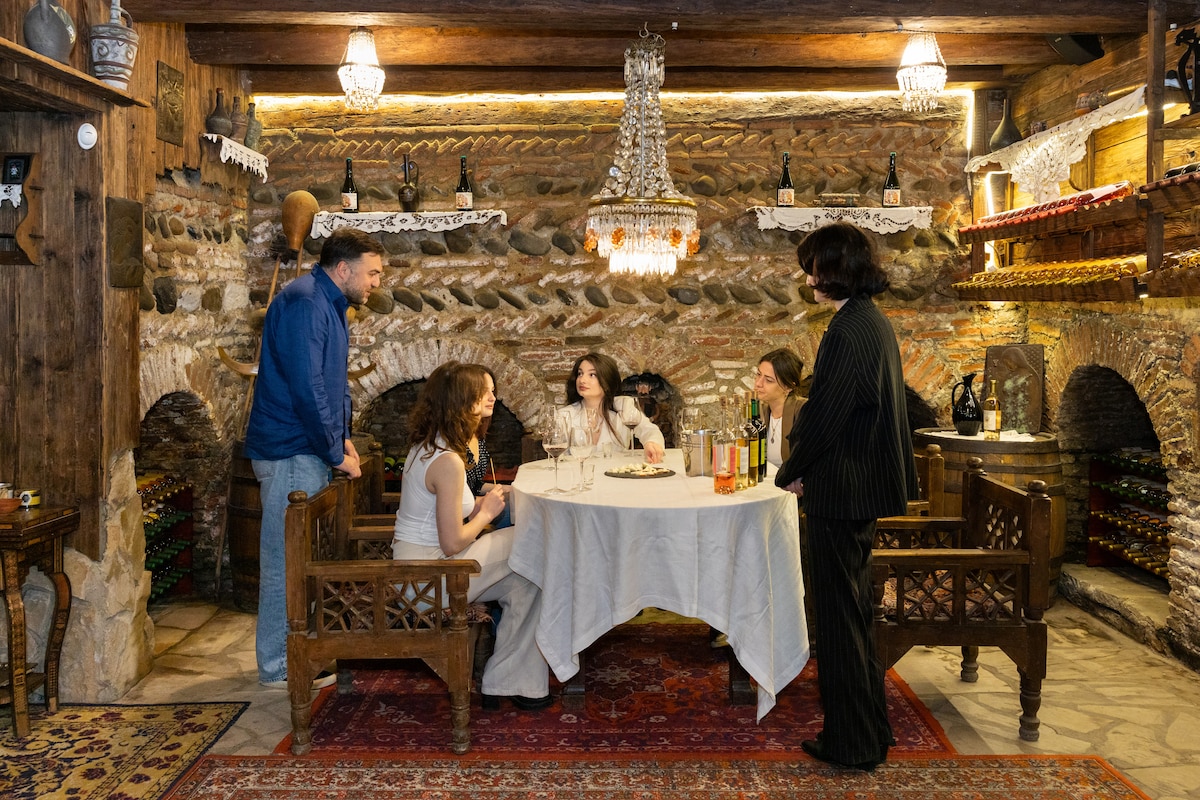
Wine tasting in historic cellar
Sat, Feb 7 • 10:00 PM
Tbilisi, 0105, Georgia
View details
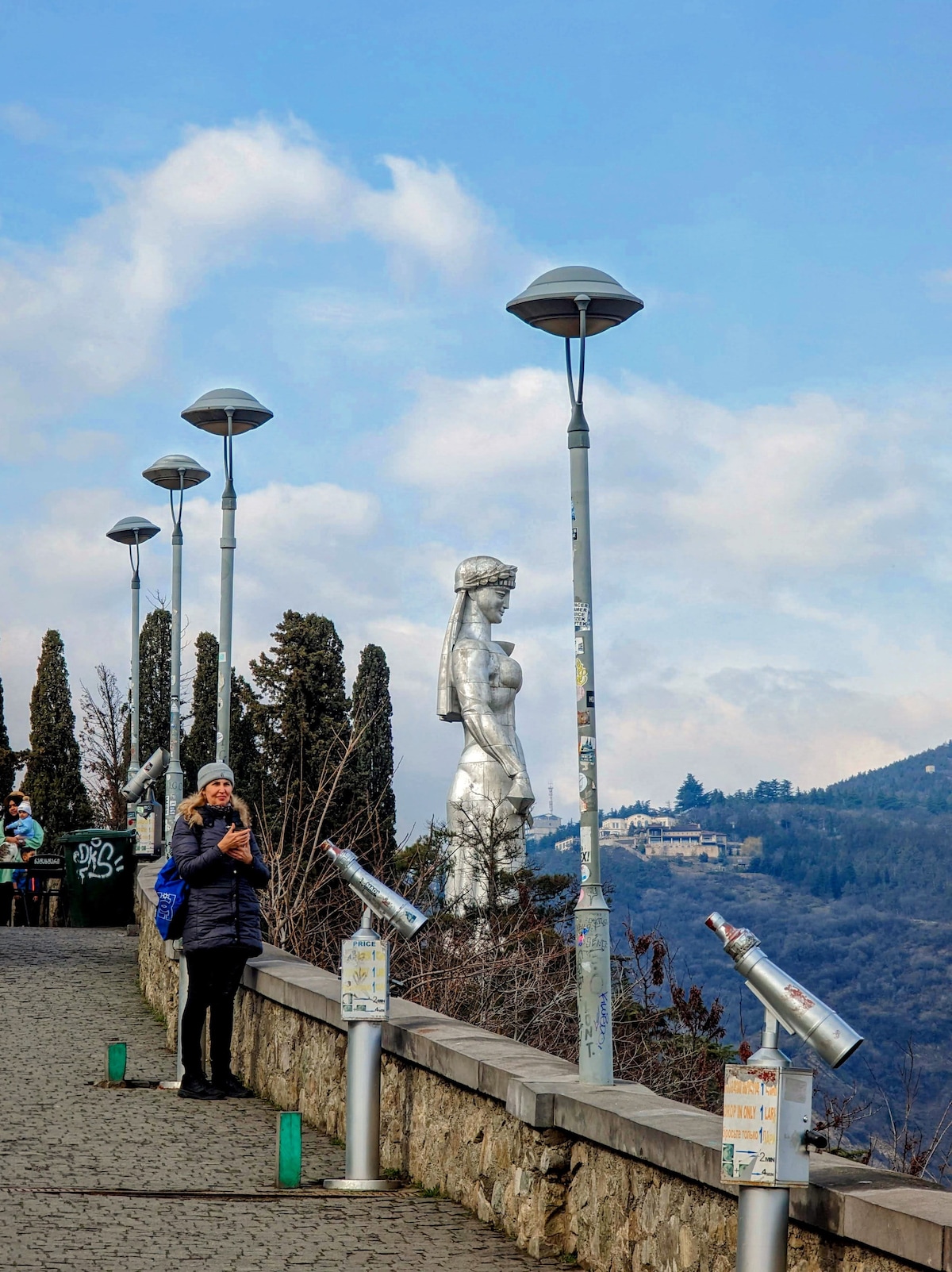
Walk Tbilisi Old Town with curated stops & stories
Sun, Feb 8 • 10:00 AM
Tbilisi, 1001, Georgia
View details
Nearby attractions of Museum of History of Georgian Jews
Liberty square
Royal District Theater
Bridge of Peace
Monument of St. George
Shangri La
Tbilisi History Museum
Tbilisi's Jvari's Mama's Church
Mother of Georgia
Rike Park
Great Synagogue

Liberty square
4.7
(6.7K)
Open until 12:00 AM
Click for details
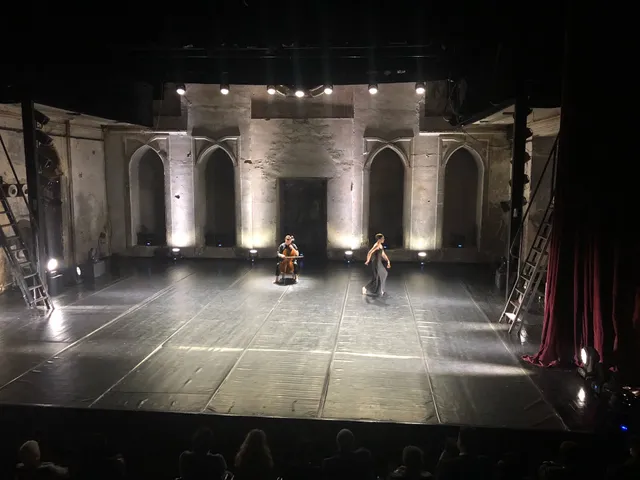
Royal District Theater
4.8
(204)
Open 24 hours
Click for details

Bridge of Peace
4.7
(7.3K)
Open until 12:00 AM
Click for details
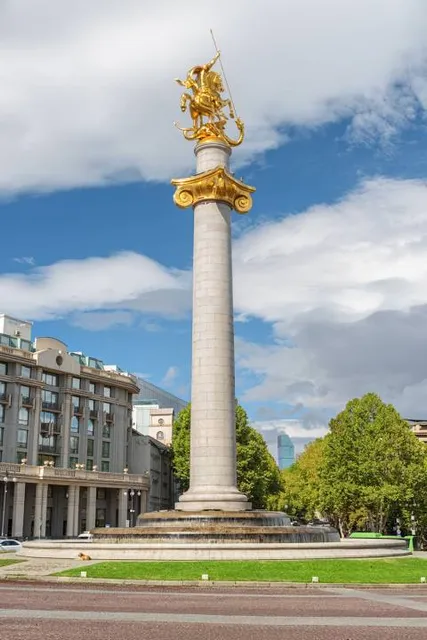
Monument of St. George
4.7
(1.6K)
Open until 12:00 AM
Click for details
Nearby restaurants of Museum of History of Georgian Jews
The Gin Corner
DEDA Tbilisi
Grafika
Veliaminov
Aroma: Indian and Arabic Restaurant
Stelzenhaus
L'ADO by Valiko Mansion
Thai in town restaurant Georgia
Prestige Restaurant
20 Steps to Freedom
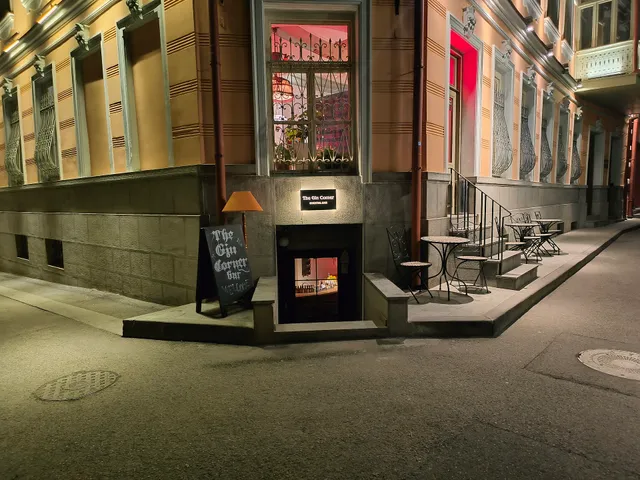
The Gin Corner
5.0
(309)
Closed
Click for details
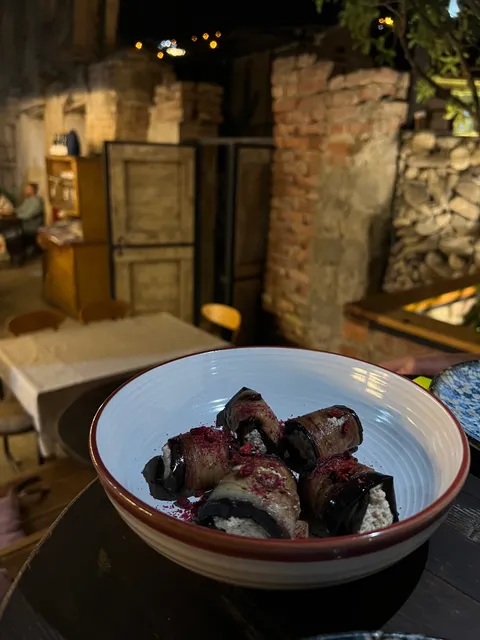
DEDA Tbilisi
4.7
(193)
Closed
Click for details
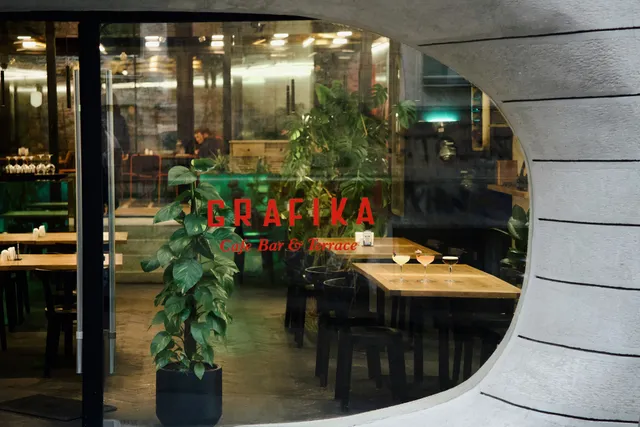
Grafika
4.5
(531)
Closed
Click for details
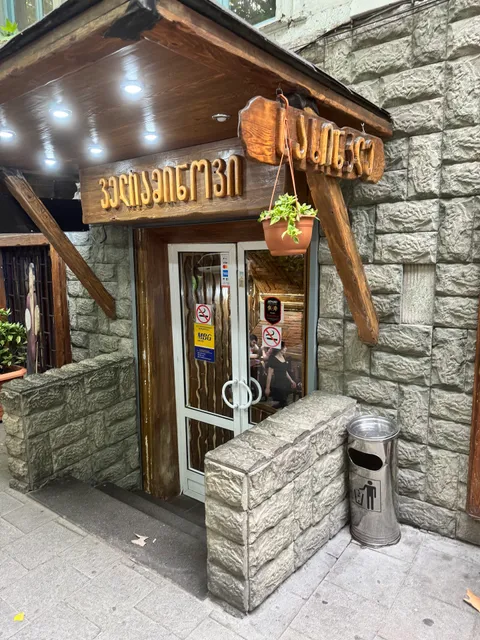
Veliaminov
4.3
(1.1K)
Closed
Click for details
Nearby local services of Museum of History of Georgian Jews
Kebab House
Zion Cathedral of Tbilisi
Museum of Illusions Tbilisi
Cathedral of the Assumption of the Virgin
Galleria Tbilisi
THE VINTAGE kimono shop (@kimono_tbilisi)
Meidan Bazar
Shantay Vintage Shop
ტურისტული კომპანია გუდ თრეველი - Good Travel
Goodwill
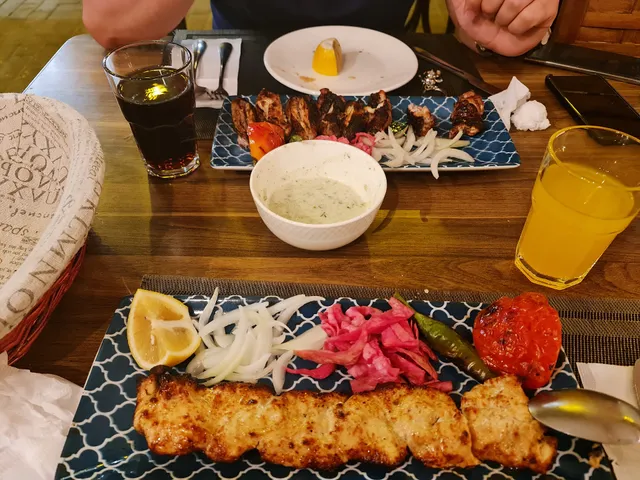
Kebab House
4.3
(364)
Click for details

Zion Cathedral of Tbilisi
4.8
(1.1K)
Click for details
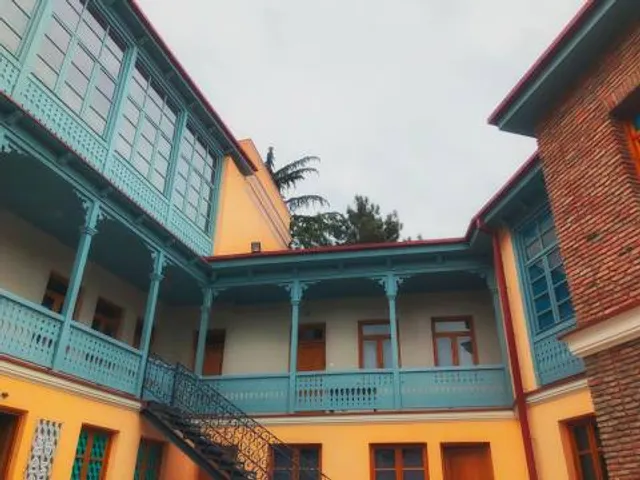
Museum of Illusions Tbilisi
4.4
(871)
Click for details
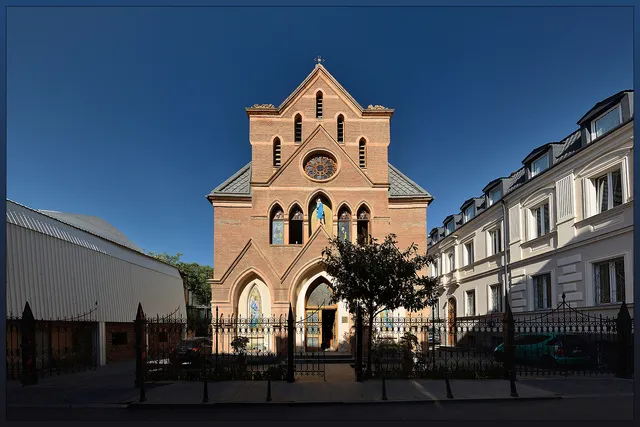
Cathedral of the Assumption of the Virgin
4.9
(64)
Click for details