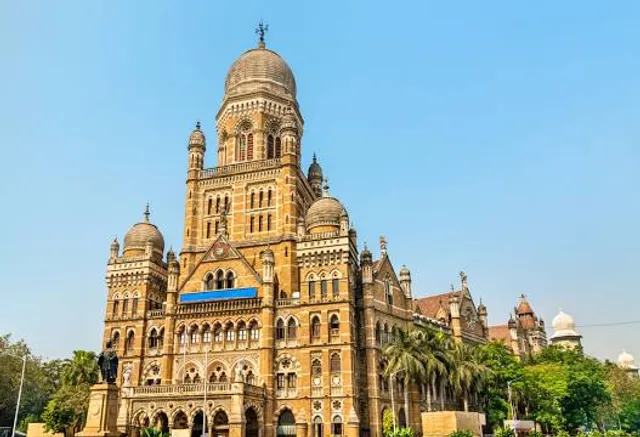
The Brihanmumbai Municipal Corporation (BMC), officially known as the Municipal Corporation of Greater Mumbai, stands as an enduring testament to the evolving spirit of urban governance in India. As the largest civic body in the country, BMC has consistently demonstrated an unwavering commitment to managing the complex and dynamic infrastructure of one of the worldâs most populous cities. Its legacy, rooted in the colonial era, has matured into a robust and forward-thinking institution that deftly balances tradition with modernity.
One of the most impressive aspects of BMC's operation is its integrated approach to urban development. From waste management to water supply, public health to education, the corporation orchestrates a sprawling matrix of services with commendable efficiency. Mumbaiâs resilience in the face of monsoon floods and urban stress is largely credited to BMCâs proactive disaster management protocols, continuous infrastructure upgrades, and strong inter-departmental coordination. The deployment of pumping stations, enhanced drainage designs, and systematic road resurfacing projects reflect its technical foresight and commitment to public welfare.
What also sets BMC apart is its dedication to public health initiatives. The corporation operates a wide network of municipal hospitals, dispensaries, and health centers that serve millions annually. Campaigns targeting vector-borne diseases, maternal health, and vaccination drives are executed with precision, often in partnership with NGOs and national health programs. Its sanitation workforce and frontline medical teams exemplify the very best of public service in urban India.
Education under BMCâs purview is another area of quiet excellence. Its efforts to ensure universal access to primary education, especially in underprivileged communities, speak to a vision that prioritizes inclusive growth. Investments in digital classrooms, skill-development centers, and teacher training programs underscore a progressive mindset that seeks not only to educate but to empower.
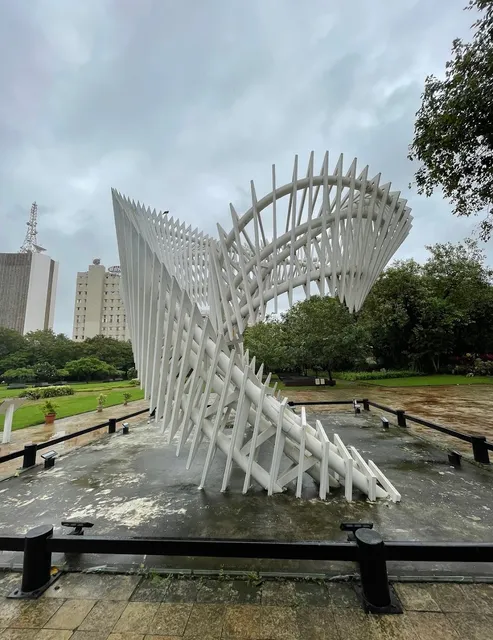
Environmentally, BMC has made strides with green initiatives and coastal conservation strategies. Projects like Miyawaki forests, rejuvenation of lakes, and noise and air pollution monitoring systems point to its growing ecological conscience. It also plays a pivotal role in Mumbaiâs urban beautification â revitalizing heritage spaces, promoting art installations, and expanding green cover across wards.
Governance is marked by transparency and public engagement. BMCâs digital portals, citizen grievance systems, and real-time dashboards promote accountability and empower Mumbaiâs residents to engage constructively with civic processes. Town hall meetings, budget consultations, and localized development forums reflect a participatory ethos that elevates democracy beyond mere rhetoric.
In its entirety, Brihanmumbai Municipal Corporation emerges not just as an administrative body, but as a dynamic catalyst for urban evolution. Its achievements are woven into the daily rhythm of Mumbai â from the streetlights that guide midnight commutes to the school desks that foster the dreams of tomorrow. Whether nurturing community health, supporting cultural heritage, or pioneering technological innovation, BMC exemplifies how municipal governance can be both responsive and visionary.
Mumbai breathes through its people, its institutions, and its pulse of progress â and the Brihanmumbai Municipal Corporation is its...
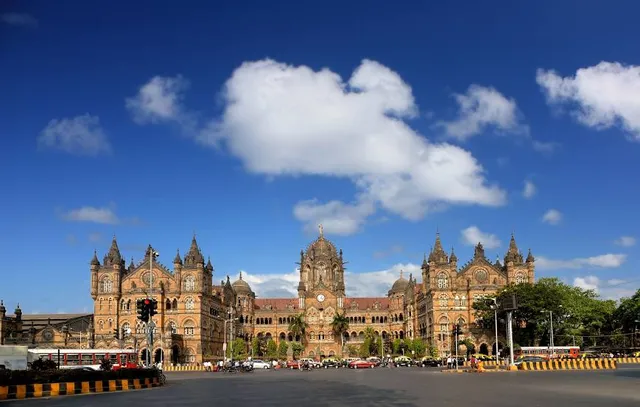
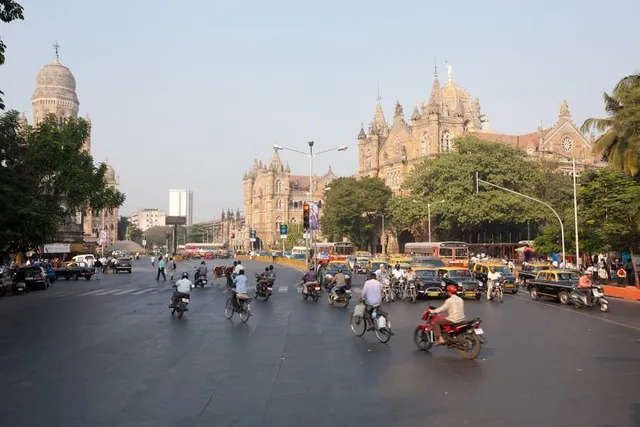
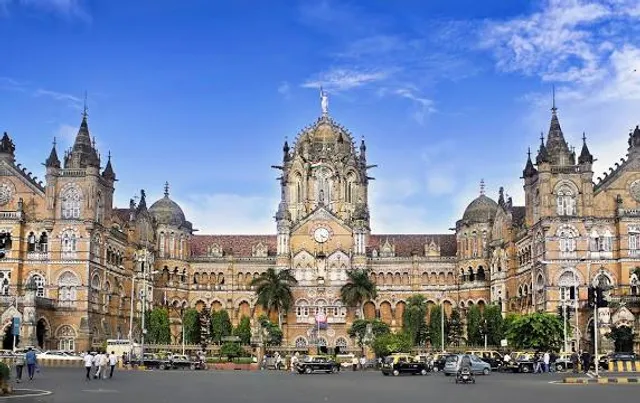
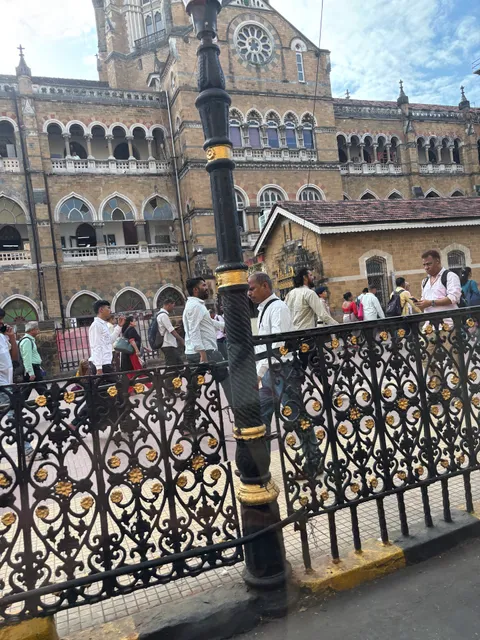
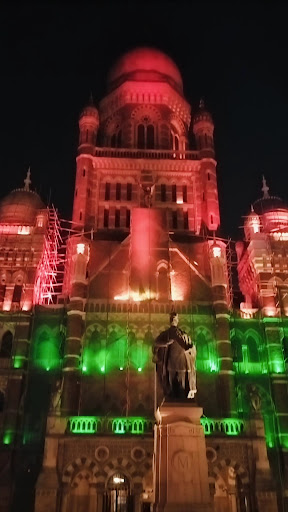
   Read moreHistory of Municipal Corporation of Bombay. The BMC was formed in 1865 which was headed by Commissioner Arthur Crawford (Crawford market named after him). The headquarters which is located near CST railway station was built in the year 1893. The architecture of the building is of the Indo-Sarcenic styles, Gorgoyle sculpture with the Neo-Gothic style.
1805 â Municipal administration was formed but in unorganized way. 1845 â A board of Conservancy of 7 members was formed to manage the municipal funds. 1858 â Three Municipal Commissioners were appointed to improve sanitary conditions. But they were inefficient. 1865 â Governor Sir Battle Frere appointed new Municipal commissioner Sir Aurther Crawford. He brought positive changes in Mumbai. 1873 â The first municipal elections were held and total 64 members were in administration. All 64 were rate payers of Bombay. 1887 = The new Municipal bill was introduced in the Legislative Council. 1888 â Act of 1888 led to better administration by providing proper responsibilities to its representatives. 1922 â rate payers were replaced by rent payers and the strength of Corporators were increased to 106 members. 1928 â four more seats were added to trade Unions and in 1950 increased to 135. 1952 â it became fully elected body. The strength of Corporation increased from 140 in 1966 to 170 members in 1985.
Pherozshah Mehta played a key role in drafting the Act of 1888. Under this act three main authorities were formed: The Corporation members The Standing Committee The Municipal Commissioner.
Officials of BMC Municipal Commissioner â The head of the corporation is Comissioner and is a member of the Indian Administrative Service.
Additional Commissioners Under Municipal Commissioner, there are four additional commissioners
Deputy Commissioners â Under Additional Commissioners there are Deputy Commissioners who are head of departments such as Solid Waste Management (SWM), Sanitation, Water, Health etc.
Corporators: In BMC Elections the corporators of political parties are elected for 24 wards which constitutes 237 sub wards. Corporators form the legislative arm of the corporation.
What do Corporators do?
Corporators act as facilitators between citizens and the BMC. They oversee BMCâs functioning and exercise control over budgetary and financial proposals and lay down policies. In effect, they are responsible for the upkeep of the city. Mayor of Mumbai: The Mayor is appointed from the elected Corporators who is the first citizen of the city. The mayor is the head of the house, who is usually from the party who got majority seats in election.
the Mayor post is a ceremonial one. Elected from among the corporators for 2.5 year term. He is Invited to functions concerning the city and receives visiting dignitaries. Chairs general body meeting of...
   Read moreIn the 1860s, the island of Bombay (now known as "the city of Mumbai") underwent a metamorphosis from being a fortified town to becoming a center for administrative control and commercial prosperity. The following decades witnessed the surfacing of magnificent structures which acted as institutions of trade, communication, civilization, education, finance and much more for the city. These towering structures became the harbingers of hope, befitting the zeal and aspirations of the city. One such body established at the time was the Bombay Municipal Corporation (now known as the "Brihanmumbai Municipal Corporation") for the purpose of local civic administration. The colossal heritage structure of the BMC Headquarters is opening its doors for the first time in about 100 years for tourists. This heritage structure has several stories to narrate. Enticing historians and architects alike, it will intrigue anyone with a penchant for cultural knowledge as well as indigenous people who connect with the city. At the time, Mumbai was the Urbs Prima of India India's foremost city and the BMC building embodies that fully. Maharashtra Tourism Development Corporation (MTDC) is the tourism arm of the state government of Maharashtra that has been running a number of resorts, adventure activities, etc. MTDC signed an MoU with the BMC to open its doors for the first time in history for tourists and enable people to experience it from the inside. MTDC has officially empaneled Khaki Tours for the UrbsPrima curation. Khaki Tours has been conducting heritage walks, tours and experiences in Mumbai since 2015, in more than 40 city neighborhoods with a belief that history lies in our backyard, and not just in textbooks
#UrbsPrima- Highlights
On #UrbsPrima- the tour of the building we take you through the stories of the city's growth, the rich history of the corporation and the grand architecture of the building itself.
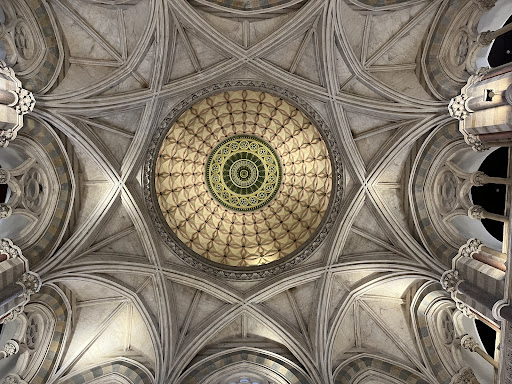
Highlights The Father of the Corporation Mayors without an office The unique fountain of ducks 18 headgears of Mumbai The gilded dome A hidden...
   Read more