HTML SitemapExplore
logo
Find Things to DoFind The Best Restaurants

Basilica San Silvestro in Capite — Attraction in Rome

Name
Basilica San Silvestro in Capite
Description
Nearby attractions
Trevi Fountain
Piazza di Trevi, 00187 Roma RM, Italy
Piazza di Spagna
Piazza di Spagna, 00187 Roma RM, Italy
Spanish Steps
Piazza di Spagna, 00187 Roma RM, Italy
Basilica of Saint Lawrence in Lucina
Piazza di S. Lorenzo in Lucina, 6, 00186 Roma RM, Italy
Chiesa di Santa Maria in Via
Via Santa Maria in Via, 00187 Roma RM, Italy
Marcus Aurelius Column
P.za Colonna, 00186 Roma RM, Italy
Pantheon
Piazza della Rotonda, 00186 Roma RM, Italy
Chiesa di Sant'Ignazio di Loyola
Piazza S. Ignazio, 00186 Roma RM, Italy
Il Tempio di Adriano
P.za di Pietra, 00186 Roma RM, Italy
Piazza Colonna
P.za Colonna, 00187 Roma RM, Italy
Nearby restaurants
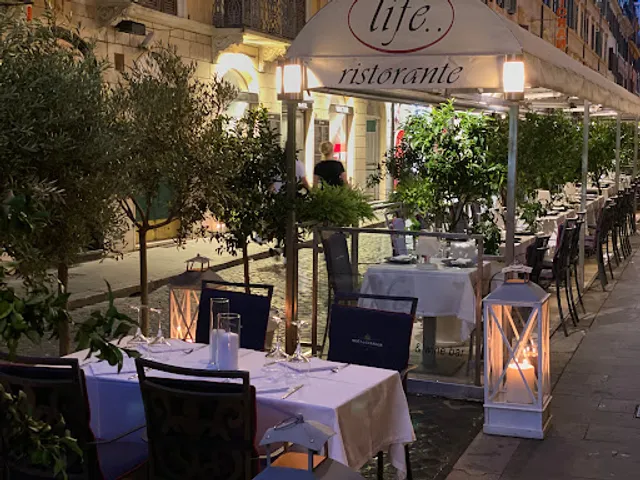
Life Ristorante
Via della Vite, 28, 00187 Roma RM, Italy
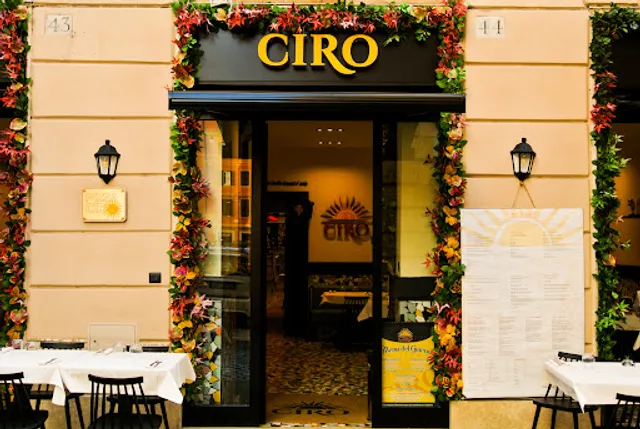
Ciro Trattoria Pizzeria
Via della Mercede, 43/45, 00186 Roma RM, Italy
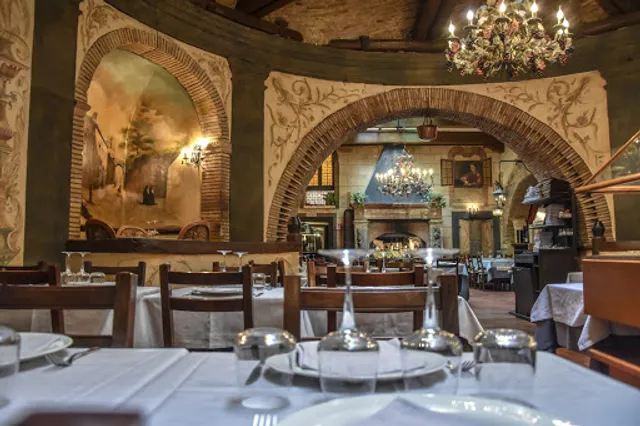
Le Grotte
Via della Vite, 37, 00187 Roma RM, Italy
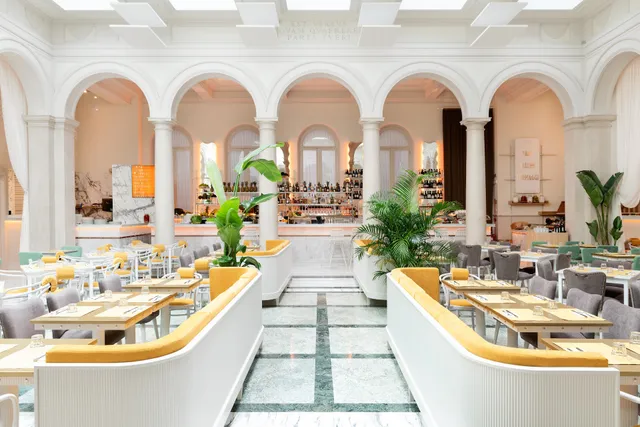
Ginger - Corte Laica
Via del Corso, 173, 00187 Roma RM, Italy
Ginger - Spagna
Via Borgognona, 43-46, 00187 Roma RM, Italy
Coso Ristorante
Via in Lucina, 16L, 00186 Roma RM, Italy
DEROMA - Farine Romane
Via Poli, 27, 00187 Roma RM, Italy
VyNIQUE Enoteca Regionale del Lazio
Via Frattina, 94, 00187 Roma RM, Italy
Tartufi&Friends
Via Borgognona, 4/E, 00187 Roma RM, Italy
Hamasei
Via della Mercede, 35/36, 00187 Roma RM, Italy
Nearby hotels
Hotel San Silvestro
Via del Gambero, 3, 00187 Roma RM, Italy
Parlamento Boutique Hotel
Via delle Convertite, 5, 00187 Roma RM, Italy
Hotel 55 Fiftyfive
Via della Vite, 13, 00186 Roma RM, Italy
HOTEL VITE By Naman Hotellerie
Via della Vite, 14, 00187 Roma RM, Italy
Hotel Tritone
Via del Tritone, 210, 00187 Roma RM, Italy
Hotel Dei Borgognoni
Via del Bufalo, 126, 00198 Roma RM, Italy
Hotel Delle Nazioni
Via Poli, 6, 00187 Roma RM, Italy
Charme Spagna Boutique Hotel
Via della Mercede, 37, 00187 Roma RM, Italy
Oriana Homèl Roma
Via di S. Claudio, 69, 00187 Roma RM, Italy
Hotel d'Inghilterra Roma - Starhotels Collezione
V. Bocca di Leone, 14, 00187 Roma RM, Italy
Related posts
Keywords
Basilica San Silvestro in Capite tourism.Basilica San Silvestro in Capite hotels.Basilica San Silvestro in Capite bed and breakfast. flights to Basilica San Silvestro in Capite.Basilica San Silvestro in Capite attractions.Basilica San Silvestro in Capite restaurants.Basilica San Silvestro in Capite travel.Basilica San Silvestro in Capite travel guide.Basilica San Silvestro in Capite travel blog.Basilica San Silvestro in Capite pictures.Basilica San Silvestro in Capite photos.Basilica San Silvestro in Capite travel tips.Basilica San Silvestro in Capite maps.Basilica San Silvestro in Capite things to do.
Basilica San Silvestro in Capite things to do, attractions, restaurants, events info and trip planning
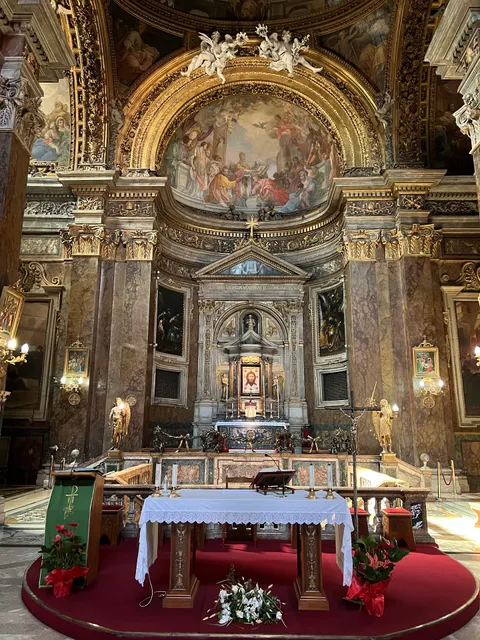
Basilica San Silvestro in Capite
ItalyLazioRomeBasilica San Silvestro in Capite

Basic Info

Basilica San Silvestro in Capite

Piazza di S.Silvestro, 17A, 00187 Roma RM, Italy
4.7(513)
Open 24 hours
Save
spot

Ratings & Description

Info

attractions: Trevi Fountain, Piazza di Spagna, Spanish Steps, Basilica of Saint Lawrence in Lucina, Chiesa di Santa Maria in Via, Marcus Aurelius Column, Pantheon, Chiesa di Sant'Ignazio di Loyola, Il Tempio di Adriano, Piazza Colonna, restaurants: Life Ristorante, Ciro Trattoria Pizzeria, Le Grotte, Ginger - Corte Laica, Ginger - Spagna, Coso Ristorante, DEROMA - Farine Romane, VyNIQUE Enoteca Regionale del Lazio, Tartufi&Friends, Hamasei
logoLearn more insights from Wanderboat AI.
Phone
+39 06 697 7121
Website
sansilvestroincapite.org

Plan your stay

hotel
Pet-friendly Hotels in Rome
Find a cozy hotel nearby and make it a full experience.

hotel
Affordable Hotels in Rome
Find a cozy hotel nearby and make it a full experience.

hotel
The Coolest Hotels You Haven't Heard Of (Yet)
Find a cozy hotel nearby and make it a full experience.

hotel
Trending Stays Worth the Hype in Rome
Find a cozy hotel nearby and make it a full experience.

Reviews

Nearby attractions of Basilica San Silvestro in Capite

Trevi Fountain

Piazza di Spagna

Spanish Steps

Basilica of Saint Lawrence in Lucina

Chiesa di Santa Maria in Via

Marcus Aurelius Column

Pantheon

Chiesa di Sant'Ignazio di Loyola

Il Tempio di Adriano

Piazza Colonna
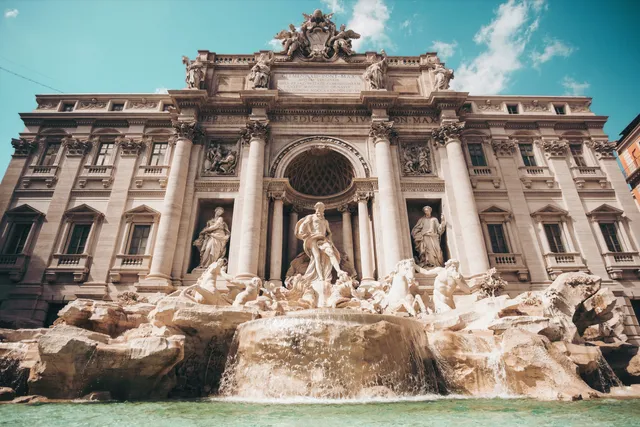
Trevi Fountain

Trevi Fountain

4.7

(144.8K)

Open 24 hours
Click for details
Piazza di Spagna

Piazza di Spagna

4.7

(47.1K)

Open 24 hours
Click for details
Spanish Steps

Spanish Steps

4.6

(32.2K)

Open 24 hours
Click for details
Basilica of Saint Lawrence in Lucina

Basilica of Saint Lawrence in Lucina

4.6

(771)

Open 24 hours
Click for details

Things to do nearby

Catacombs: The Coolest Underground Tour in Rome
Thu, Dec 18 • 10:00 AM
00147, Rome, Lazio, Italy
View details
Pasta-making class, wine tasting and dinner
Thu, Dec 18 • 3:30 PM
00044, Frascati, Lazio, Italy
View details
Pasta and Pizza cooking class with wine and more
Fri, Dec 19 • 5:45 PM
00142, Rome, Lazio, Italy
View details

Nearby restaurants of Basilica San Silvestro in Capite

Life Ristorante

Ciro Trattoria Pizzeria

Le Grotte

Ginger - Corte Laica

Ginger - Spagna

Coso Ristorante

DEROMA - Farine Romane

VyNIQUE Enoteca Regionale del Lazio

Tartufi&Friends

Hamasei

Life Ristorante

Life Ristorante

4.5

(1.2K)

$$$

Click for details
Ciro Trattoria Pizzeria

Ciro Trattoria Pizzeria

4.1

(1.8K)

Click for details
Le Grotte

Le Grotte

4.1

(996)

$$

Click for details
Ginger - Corte Laica

Ginger - Corte Laica

4.3

(790)

Click for details
Get the Appoverlay
Get the AppOne tap to find yournext favorite spots!

The hit list

restaurant
Best 10 Restaurants to Visit in Rome
February 12 · 5 min read
attraction
Best 10 Attractions to Visit in Rome
February 12 · 5 min read
Rome

Plan your trip with Wanderboat

Welcome to Wanderboat AI, your AI search for local Eats and Fun, designed to help you explore your city and the world with ease.

Powered by Wanderboat AI trip planner.
Wanderboat LogoWanderboat

Your everyday Al companion for getaway ideas

CompanyAbout Us
InformationAI Trip PlannerSitemap
SocialXInstagramTiktokLinkedin
LegalTerms of ServicePrivacy Policy

Get the app

© 2025 Wanderboat. All rights reserved.
logo

Reviews of Basilica San Silvestro in Capite

4.7
(513)
avatar
5.0
17w

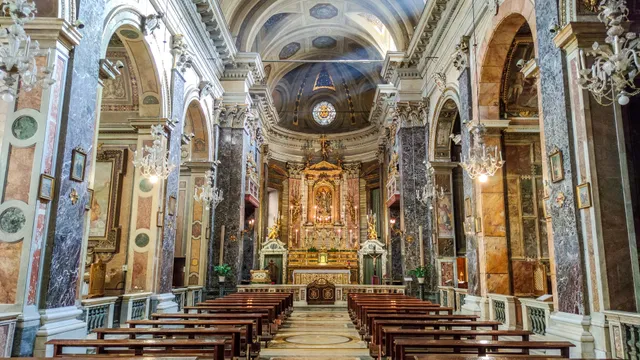
The original church was built with an adjoining Basilian monastery, in the 8th century by the Popes Paul I and Stephen III, atop ruins of a pagan temple dedicated to Sol Invictus, to house venerated relics of early Christian saints who were buried in the catacombs.The church was rebuilt and the campanile with Romanesque arcades added in 1198 during the papacy of Innocent III, who transferred the relic of the head of St. John the Baptist to it and the name was changed to St. John in Capitol. In the 13th century the church was donated to the Poor Clares. It was rebuilt by the architects Francesco Capriani da Volterra and Carlo Maderno during 1591–1601, and subsequently restored in 1681.The relics of Pope Sylvester I, Pope Stephen I and Pope Dionysius were exhumed and re-enshrined beneath the high altar when the new church was consecrated in 1601. The church also contains the relics of Tarcisius.The church of San Silvestro was granted to the English Catholics by Pope Leo XIII in 1890, and is now served by Irish Pallottine Fathers. Mass is thus regularly celebrated in the English language. The church is the National Church in Rome of Great Britain, although the structures of the Catholic Church continue to be organized separately for England and Wales, Scotland and Ireland. The Scottish national church in Rome, Sant'Andrea degli Scozzesi, was deconsecrated in 1962. The church has an atrium and narthex, which isolates the church from the busy square outside. There are fragments of early Christian sculpture, many with inscriptions, embedded in the walls of the atrium.The facade was completed in 1703. It has an unusual giant order topped with four baroque statues: San Silvestro by Lorenzo Ouone, Saint Stephen by Michelangelo Borgognone, Saint Clare by Giuseppe Mazzoni and Saint Francis by Vincenzo Felice.High Altar, commissioned in 1518 by Pier Soderini of Florence It is believed that the high altar, which predates the present church, was influenced by the style of Michelangelo. The interior is rich in marble, gilding, and artistic decoration. The nave has an Assumption with Saints frescoed (1680) by Giacinto Brandi. The main altar carved ciborium or canopy (1667) by Carlo Rainaldi. The cupola was frescoed (1605) by Cristoforo Roncalli. A Martyrdom of San Stephan I and a Messengers of Constantine call on San Silvestro (1610) were frescoed in the apse by Orazio Borgianni. In the baptistry apse, there is a Baptism of Constantine by Ludovico Gimignani. The transept has a History of San Silvestro (1690) also by Gimignani, and a Madonna with Child by Baccio Ciarpi.In the first chapel to the right is a Madonna with Child & Saint Anthony of Padua & Stephen I and other saints (1695) by Giuseppe Bartolomeo Chiari. In the second chapel is a Saint Francis receives stigmata (1610) by Orazio Gentileschi accompanied by paintings of the life of the saint by Luigi Garzi. In the third, a Pentecost by Giuseppe Ghezzi. The left transept has a Madonna & Child by Terenzio Terenzi. In the third chapel on the left is a fresco of the Immaculate Conception by Gimignani. On the walls are an Adoration by the Magi and Visitation by the Milanese il Morrazzone. In the second chapel is a Pope San Marcello has a vision of the Sacred Family and a Transit and Glory of San Giuseppe by Gimignani. In the first chapel are canvases of the Passion (1695) by...

   Read more
avatar
5.0
8y

+JMJ...This Church is loved by myself for several reasons: (1) House of Worship and Prayer; (2) It houses art and statues that can only be found in this particular Church, and (3) this Church is the home Church for a lay apostolate called the Legion of Mary, of which I am a former active member, Richmond, VA. Whenever I was blessed to travel to Rome, I always visited this Church and attended the meeting held Sunday afternoon. The photos shared are during a February 2005 pilgrimage, which I made by myself. I found the Filippino citizens to be very welcoming (hope it is OK to post a photo of myself with them.) And, as they spoke English, that was very helpful for me. And, this community usually served their traditional Filippino foods and were always very happy and eager to share with me. I love these people! I love Rome! I pray God will grant me the huge blessing of being able to...

   Read more
avatar
5.0
4y

La Chiesa di San Silvestro in Capite è ubicata nel Rione III (Colonna) in Piazza di San Silvestro in Roma.

La chiesa fu fondata nel VII secolo, sulle rovine di un antico Tempio del Dio Sole III secolo d.C. il nome le deriva poiché nel XII secolo vi fu portata la reliquia della testa di San giovanni Battista, nel XII secolo venne costruito il Campanile romanico, nel XIX secolo nel quadriportico venne posta una raccolta di antiche iscrizioni.

Il campanile romanico si presenta con una pianta quadrata, con paramento murario mattonato, su sette ordini delimitati da cornicioni marcapiano a denti di sega.

Il primo piano con finestre doppie monofore, il secondo con trifore a e gli altri cinque con doppie bifore mediante colonnine marmoree, con capitelli a stampella, su cui poggiano due doppi archetti a ghiera, Sono presenti anche alcuni elementi di ceramica policroma, sul tetto spiovente come elemento aggettante vi è un segnavento a forma di gallo.

L’originale medioevale è presente all’interno della chiesa, in una piccola cappellina.

La Facciata esterna (inizio XVIII secolo) si presenta su un unico ordine, tripartito mediante lesene binate con capitelli ionici. Nella fascia dell’architrave è presente la seguente iscrizione dedicatoria: DEO IN HON BEAT SILVESTRI ET STEPHANI P.P. DIC

Mentre sull’attico sono presenti quattro statue:

• San Francesco d'Assisi • San Silvestro Papa • Santo Stefano martire • Santa Chiara

Con al centro un monumentale portale incorniciato, sormontato da un frontone triangolare aperto, sormontato da un ornamentale ovale sorretto da due angioletti, con al centro il bassorilievo che rappresenta la testa di Cristo.

Entrando si accede ad un cortile è una sorta di museo lapidario, dove sono presenti alcune colonne dell’antico Tempio del Sole, un sarcofago utilizzato come vasca di una fontana, varie lapidi fra le quali una del 1119.

Procedendo si arriva alla facciata della Chiesa su due ordini, il primo presenta un portico con tre archi a tutto sesto mentre sul secondo vi sono tre finestre.

A coronamento è posto un semplice frontone triangolare.

INTERNO

L’interno si presenta con la pianta a navata unica, transetto e con abside semicircolare.

La volta a botte e tre cappelle per lato.

Il presbiterio e completamente occupato dall’abside completamente dipinta

La volta è affrescata con il dipinto “La Vergine Assunta in Gloria con i Santi Silvestro e Giovanni Battista”, del Pittore Giacinto Brandi (1680-1683).

In un piccolo ambiente posto sulla parete sinistra della navata, si trova il prezioso reliquiario in argento dorato che contiene la testa di Giovanni Battista (dalla quale deriva il nome...

   Read more
Page 1 of 7
Previous
Next

Posts

Misiu martinoMisiu martino
The original church was built with an adjoining Basilian monastery, in the 8th century by the Popes Paul I and Stephen III, atop ruins of a pagan temple dedicated to Sol Invictus, to house venerated relics of early Christian saints who were buried in the catacombs.The church was rebuilt and the campanile with Romanesque arcades added in 1198 during the papacy of Innocent III, who transferred the relic of the head of St. John the Baptist to it and the name was changed to St. John in Capitol. In the 13th century the church was donated to the Poor Clares. It was rebuilt by the architects Francesco Capriani da Volterra and Carlo Maderno during 1591–1601, and subsequently restored in 1681.The relics of Pope Sylvester I, Pope Stephen I and Pope Dionysius were exhumed and re-enshrined beneath the high altar when the new church was consecrated in 1601. The church also contains the relics of Tarcisius.The church of San Silvestro was granted to the English Catholics by Pope Leo XIII in 1890, and is now served by Irish Pallottine Fathers. Mass is thus regularly celebrated in the English language. The church is the National Church in Rome of Great Britain, although the structures of the Catholic Church continue to be organized separately for England and Wales, Scotland and Ireland. The Scottish national church in Rome, Sant'Andrea degli Scozzesi, was deconsecrated in 1962. The church has an atrium and narthex, which isolates the church from the busy square outside. There are fragments of early Christian sculpture, many with inscriptions, embedded in the walls of the atrium.The facade was completed in 1703. It has an unusual giant order topped with four baroque statues: San Silvestro by Lorenzo Ouone, Saint Stephen by Michelangelo Borgognone, Saint Clare by Giuseppe Mazzoni and Saint Francis by Vincenzo Felice.High Altar, commissioned in 1518 by Pier Soderini of Florence It is believed that the high altar, which predates the present church, was influenced by the style of Michelangelo. The interior is rich in marble, gilding, and artistic decoration. The nave has an Assumption with Saints frescoed (1680) by Giacinto Brandi. The main altar carved ciborium or canopy (1667) by Carlo Rainaldi. The cupola was frescoed (1605) by Cristoforo Roncalli. A Martyrdom of San Stephan I and a Messengers of Constantine call on San Silvestro (1610) were frescoed in the apse by Orazio Borgianni. In the baptistry apse, there is a Baptism of Constantine by Ludovico Gimignani. The transept has a History of San Silvestro (1690) also by Gimignani, and a Madonna with Child by Baccio Ciarpi.In the first chapel to the right is a Madonna with Child & Saint Anthony of Padua & Stephen I and other saints (1695) by Giuseppe Bartolomeo Chiari. In the second chapel is a Saint Francis receives stigmata (1610) by Orazio Gentileschi accompanied by paintings of the life of the saint by Luigi Garzi. In the third, a Pentecost by Giuseppe Ghezzi. The left transept has a Madonna & Child by Terenzio Terenzi. In the third chapel on the left is a fresco of the Immaculate Conception by Gimignani. On the walls are an Adoration by the Magi and Visitation by the Milanese il Morrazzone. In the second chapel is a Pope San Marcello has a vision of the Sacred Family and a Transit and Glory of San Giuseppe by Gimignani. In the first chapel are canvases of the Passion (1695) by Francesco Trevisani.
Stefano ManzoStefano Manzo
La Chiesa di San Silvestro in Capite è ubicata nel Rione III (Colonna) in Piazza di San Silvestro in Roma. La chiesa fu fondata nel VII secolo, sulle rovine di un antico Tempio del Dio Sole III secolo d.C. il nome le deriva poiché nel XII secolo vi fu portata la reliquia della testa di San giovanni Battista, nel XII secolo venne costruito il Campanile romanico, nel XIX secolo nel quadriportico venne posta una raccolta di antiche iscrizioni. Il campanile romanico si presenta con una pianta quadrata, con paramento murario mattonato, su sette ordini delimitati da cornicioni marcapiano a denti di sega. Il primo piano con finestre doppie monofore, il secondo con trifore a e gli altri cinque con doppie bifore mediante colonnine marmoree, con capitelli a stampella, su cui poggiano due doppi archetti a ghiera, Sono presenti anche alcuni elementi di ceramica policroma, sul tetto spiovente come elemento aggettante vi è un segnavento a forma di gallo. L’originale medioevale è presente all’interno della chiesa, in una piccola cappellina. La Facciata esterna (inizio XVIII secolo) si presenta su un unico ordine, tripartito mediante lesene binate con capitelli ionici. Nella fascia dell’architrave è presente la seguente iscrizione dedicatoria: DEO IN HON BEAT SILVESTRI ET STEPHANI P.P. DIC Mentre sull’attico sono presenti quattro statue: • San Francesco d'Assisi • San Silvestro Papa • Santo Stefano martire • Santa Chiara Con al centro un monumentale portale incorniciato, sormontato da un frontone triangolare aperto, sormontato da un ornamentale ovale sorretto da due angioletti, con al centro il bassorilievo che rappresenta la testa di Cristo. Entrando si accede ad un cortile è una sorta di museo lapidario, dove sono presenti alcune colonne dell’antico Tempio del Sole, un sarcofago utilizzato come vasca di una fontana, varie lapidi fra le quali una del 1119. Procedendo si arriva alla facciata della Chiesa su due ordini, il primo presenta un portico con tre archi a tutto sesto mentre sul secondo vi sono tre finestre. A coronamento è posto un semplice frontone triangolare. INTERNO L’interno si presenta con la pianta a navata unica, transetto e con abside semicircolare. La volta a botte e tre cappelle per lato. Il presbiterio e completamente occupato dall’abside completamente dipinta La volta è affrescata con il dipinto “La Vergine Assunta in Gloria con i Santi Silvestro e Giovanni Battista”, del Pittore Giacinto Brandi (1680-1683). In un piccolo ambiente posto sulla parete sinistra della navata, si trova il prezioso reliquiario in argento dorato che contiene la testa di Giovanni Battista (dalla quale deriva il nome della chiesa).
Roberto CecchiniRoberto Cecchini
La chiesa appare buia ed è un peccato perché la decorazione barocca si capisce che sarebbe stupenda. Fondata da papa Paolo I su di un precedente oratorio, ha origine antichissima e venne dedicata inizialmente ai santi Stefano e Silvestro. Rimase solo questo con l'aggiunta dell'appellativo "in Capite" in quanto vi si conserva in una cappella cui si accede anche da un ingresso laterale la testa di san Giovanni Battista. Si tratta della cappella dell'Addolorata dove, dietro una grata, è custodito un reliquiario trecentesco in cui è conservata la reliquia della testa di San Giovanni Battista (c'è un detto secondo il quale pare che ci siano almeno una cinquantina di teste di San Giovanni sparse nel mondo e di queste solo una ventina siano originali, NdR). La chiesa appartiene oggi alla nazione inglese ed è officiata dai Padri Pallottini. Nel 1594 venne ricostruita da Francesco da Volterra prima e completata dal Maderno poi; l'apparato decorativo si deve invece inizialmente al Rainaldi nel 1680 ma fu terminata da altri artisti, tra cui Domenico de Rossi. Nella grande volta a botte, magnifica, è raffigurata una scena che rappresenta l'Empireo con l'Assunta, opera di Giacinto Brandi mentre la cupola ovale è stata dipinta dal Pomarancio nel 1690. L'interno - purtroppo visibile in maniera ridotta se le luci non sono accese - è riccamente decorato ed è presente anche una cripta, che riporta resti probabilmente appartenenti alle costruzioni delle epoche precedenti (non sempre accessibile ma si può intravedere girandovi attorno). Il convento fu proprietario della colonna di Marco Aurelio e ancora oggi nel portico della chiesa c'è una lunga iscrizione relativa a questo possesso in lingua medievale. La chiesa conserva l'atrio porticato caratteristico delle antiche basiliche e il piccolo campanile romanico che però non è visibile dalla strada ma bisogna allontanarsi per poterlo ammirare (bellissimo, del 1100, un po' un pugno in un occhio rispetto alla facciata candida di stampo barocco). Nel cortile sono presenti moltissime iscrizioni e frammenti marmorei di origine romana (qui era un tempo presente il tempio del Sole e probabilmente è da questo che derivano alcune delle colonne di marmo che sono state impiegate nella costruzione). La chiesa è piccola ma ricca, quindi merita una visita approfondita se potete concedervi del tempo e se le condizioni di luce lo consentono. Utili info? Allora cliccate sul like e leggete le altre recensioni su Roma che ho fatto.
See more posts
See more posts
hotel
Find your stay

Pet-friendly Hotels in Rome

Find a cozy hotel nearby and make it a full experience.

The original church was built with an adjoining Basilian monastery, in the 8th century by the Popes Paul I and Stephen III, atop ruins of a pagan temple dedicated to Sol Invictus, to house venerated relics of early Christian saints who were buried in the catacombs.The church was rebuilt and the campanile with Romanesque arcades added in 1198 during the papacy of Innocent III, who transferred the relic of the head of St. John the Baptist to it and the name was changed to St. John in Capitol. In the 13th century the church was donated to the Poor Clares. It was rebuilt by the architects Francesco Capriani da Volterra and Carlo Maderno during 1591–1601, and subsequently restored in 1681.The relics of Pope Sylvester I, Pope Stephen I and Pope Dionysius were exhumed and re-enshrined beneath the high altar when the new church was consecrated in 1601. The church also contains the relics of Tarcisius.The church of San Silvestro was granted to the English Catholics by Pope Leo XIII in 1890, and is now served by Irish Pallottine Fathers. Mass is thus regularly celebrated in the English language. The church is the National Church in Rome of Great Britain, although the structures of the Catholic Church continue to be organized separately for England and Wales, Scotland and Ireland. The Scottish national church in Rome, Sant'Andrea degli Scozzesi, was deconsecrated in 1962. The church has an atrium and narthex, which isolates the church from the busy square outside. There are fragments of early Christian sculpture, many with inscriptions, embedded in the walls of the atrium.The facade was completed in 1703. It has an unusual giant order topped with four baroque statues: San Silvestro by Lorenzo Ouone, Saint Stephen by Michelangelo Borgognone, Saint Clare by Giuseppe Mazzoni and Saint Francis by Vincenzo Felice.High Altar, commissioned in 1518 by Pier Soderini of Florence It is believed that the high altar, which predates the present church, was influenced by the style of Michelangelo. The interior is rich in marble, gilding, and artistic decoration. The nave has an Assumption with Saints frescoed (1680) by Giacinto Brandi. The main altar carved ciborium or canopy (1667) by Carlo Rainaldi. The cupola was frescoed (1605) by Cristoforo Roncalli. A Martyrdom of San Stephan I and a Messengers of Constantine call on San Silvestro (1610) were frescoed in the apse by Orazio Borgianni. In the baptistry apse, there is a Baptism of Constantine by Ludovico Gimignani. The transept has a History of San Silvestro (1690) also by Gimignani, and a Madonna with Child by Baccio Ciarpi.In the first chapel to the right is a Madonna with Child & Saint Anthony of Padua & Stephen I and other saints (1695) by Giuseppe Bartolomeo Chiari. In the second chapel is a Saint Francis receives stigmata (1610) by Orazio Gentileschi accompanied by paintings of the life of the saint by Luigi Garzi. In the third, a Pentecost by Giuseppe Ghezzi. The left transept has a Madonna & Child by Terenzio Terenzi. In the third chapel on the left is a fresco of the Immaculate Conception by Gimignani. On the walls are an Adoration by the Magi and Visitation by the Milanese il Morrazzone. In the second chapel is a Pope San Marcello has a vision of the Sacred Family and a Transit and Glory of San Giuseppe by Gimignani. In the first chapel are canvases of the Passion (1695) by Francesco Trevisani.
Misiu martino

Misiu martino

hotel
Find your stay

Affordable Hotels in Rome

Find a cozy hotel nearby and make it a full experience.

Get the Appoverlay
Get the AppOne tap to find yournext favorite spots!
La Chiesa di San Silvestro in Capite è ubicata nel Rione III (Colonna) in Piazza di San Silvestro in Roma. La chiesa fu fondata nel VII secolo, sulle rovine di un antico Tempio del Dio Sole III secolo d.C. il nome le deriva poiché nel XII secolo vi fu portata la reliquia della testa di San giovanni Battista, nel XII secolo venne costruito il Campanile romanico, nel XIX secolo nel quadriportico venne posta una raccolta di antiche iscrizioni. Il campanile romanico si presenta con una pianta quadrata, con paramento murario mattonato, su sette ordini delimitati da cornicioni marcapiano a denti di sega. Il primo piano con finestre doppie monofore, il secondo con trifore a e gli altri cinque con doppie bifore mediante colonnine marmoree, con capitelli a stampella, su cui poggiano due doppi archetti a ghiera, Sono presenti anche alcuni elementi di ceramica policroma, sul tetto spiovente come elemento aggettante vi è un segnavento a forma di gallo. L’originale medioevale è presente all’interno della chiesa, in una piccola cappellina. La Facciata esterna (inizio XVIII secolo) si presenta su un unico ordine, tripartito mediante lesene binate con capitelli ionici. Nella fascia dell’architrave è presente la seguente iscrizione dedicatoria: DEO IN HON BEAT SILVESTRI ET STEPHANI P.P. DIC Mentre sull’attico sono presenti quattro statue: • San Francesco d'Assisi • San Silvestro Papa • Santo Stefano martire • Santa Chiara Con al centro un monumentale portale incorniciato, sormontato da un frontone triangolare aperto, sormontato da un ornamentale ovale sorretto da due angioletti, con al centro il bassorilievo che rappresenta la testa di Cristo. Entrando si accede ad un cortile è una sorta di museo lapidario, dove sono presenti alcune colonne dell’antico Tempio del Sole, un sarcofago utilizzato come vasca di una fontana, varie lapidi fra le quali una del 1119. Procedendo si arriva alla facciata della Chiesa su due ordini, il primo presenta un portico con tre archi a tutto sesto mentre sul secondo vi sono tre finestre. A coronamento è posto un semplice frontone triangolare. INTERNO L’interno si presenta con la pianta a navata unica, transetto e con abside semicircolare. La volta a botte e tre cappelle per lato. Il presbiterio e completamente occupato dall’abside completamente dipinta La volta è affrescata con il dipinto “La Vergine Assunta in Gloria con i Santi Silvestro e Giovanni Battista”, del Pittore Giacinto Brandi (1680-1683). In un piccolo ambiente posto sulla parete sinistra della navata, si trova il prezioso reliquiario in argento dorato che contiene la testa di Giovanni Battista (dalla quale deriva il nome della chiesa).
Stefano Manzo

Stefano Manzo

hotel
Find your stay

The Coolest Hotels You Haven't Heard Of (Yet)

Find a cozy hotel nearby and make it a full experience.

hotel
Find your stay

Trending Stays Worth the Hype in Rome

Find a cozy hotel nearby and make it a full experience.

La chiesa appare buia ed è un peccato perché la decorazione barocca si capisce che sarebbe stupenda. Fondata da papa Paolo I su di un precedente oratorio, ha origine antichissima e venne dedicata inizialmente ai santi Stefano e Silvestro. Rimase solo questo con l'aggiunta dell'appellativo "in Capite" in quanto vi si conserva in una cappella cui si accede anche da un ingresso laterale la testa di san Giovanni Battista. Si tratta della cappella dell'Addolorata dove, dietro una grata, è custodito un reliquiario trecentesco in cui è conservata la reliquia della testa di San Giovanni Battista (c'è un detto secondo il quale pare che ci siano almeno una cinquantina di teste di San Giovanni sparse nel mondo e di queste solo una ventina siano originali, NdR). La chiesa appartiene oggi alla nazione inglese ed è officiata dai Padri Pallottini. Nel 1594 venne ricostruita da Francesco da Volterra prima e completata dal Maderno poi; l'apparato decorativo si deve invece inizialmente al Rainaldi nel 1680 ma fu terminata da altri artisti, tra cui Domenico de Rossi. Nella grande volta a botte, magnifica, è raffigurata una scena che rappresenta l'Empireo con l'Assunta, opera di Giacinto Brandi mentre la cupola ovale è stata dipinta dal Pomarancio nel 1690. L'interno - purtroppo visibile in maniera ridotta se le luci non sono accese - è riccamente decorato ed è presente anche una cripta, che riporta resti probabilmente appartenenti alle costruzioni delle epoche precedenti (non sempre accessibile ma si può intravedere girandovi attorno). Il convento fu proprietario della colonna di Marco Aurelio e ancora oggi nel portico della chiesa c'è una lunga iscrizione relativa a questo possesso in lingua medievale. La chiesa conserva l'atrio porticato caratteristico delle antiche basiliche e il piccolo campanile romanico che però non è visibile dalla strada ma bisogna allontanarsi per poterlo ammirare (bellissimo, del 1100, un po' un pugno in un occhio rispetto alla facciata candida di stampo barocco). Nel cortile sono presenti moltissime iscrizioni e frammenti marmorei di origine romana (qui era un tempo presente il tempio del Sole e probabilmente è da questo che derivano alcune delle colonne di marmo che sono state impiegate nella costruzione). La chiesa è piccola ma ricca, quindi merita una visita approfondita se potete concedervi del tempo e se le condizioni di luce lo consentono. Utili info? Allora cliccate sul like e leggete le altre recensioni su Roma che ho fatto.
Roberto Cecchini

Roberto Cecchini

See more posts
See more posts