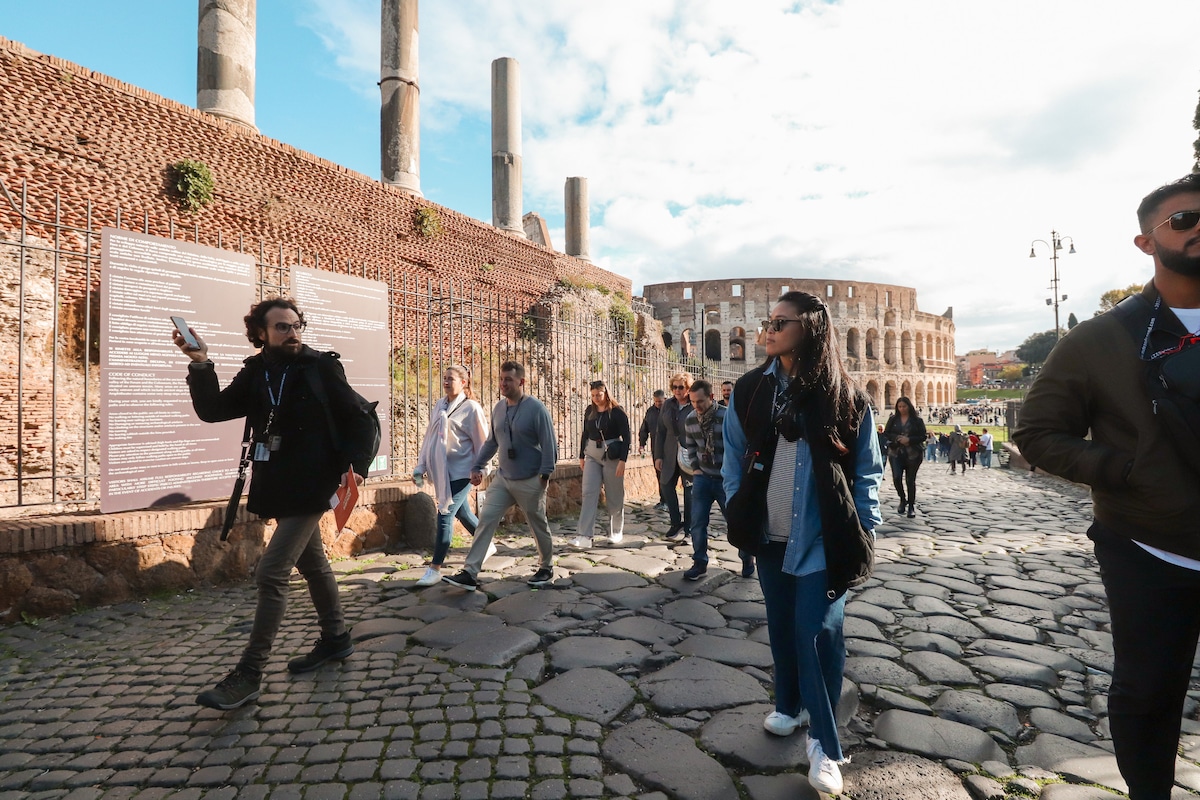
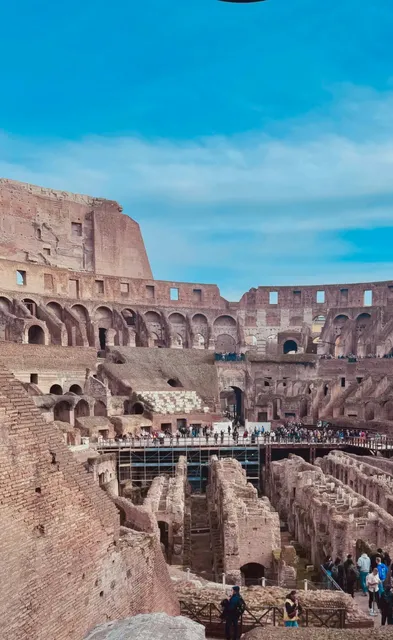
Our recent attempt to outsmart the crowds at the Colosseum by visiting in the morning proved to be a largely futile exercise in managing expectations. While the iconic structure itself lived up to its grandeur, the promise of a less-crowded experience before the midday rush simply didn't materialize. Arriving in the morning, we were immediately greeted by a significant volume of people already congregating around the entrance. Adding to the congestion was what appeared to be a large organized "walking event," a considerable group moving together, further swelling the numbers and creating a somewhat chaotic atmosphere before even entering. It seems the secret of an early visit is, unfortunately, out – and widely adopted by tour operators. Our entry process was a frustrating preview of the disorganization to come. We endured at least three separate checks of our tickets before even reaching the security screening. The security area itself was a scene of considerable chaos. Unlike more organized systems where bins are provided for personal items, here it felt like a free-for-all before the X-ray machine. We witnessed one unfortunate American visitor lose his credit card in the scramble, a direct consequence of the lack of a proper system for temporarily placing belongings. This chaotic bottleneck significantly detracted from the start of the visit. Armed with basic tickets, our eventual entry into the Colosseum, while successful, still involved navigating a considerable queue even after the multiple checks and security scrum. Once inside, the sheer number of visitors on the accessible ground and second floors was undeniable. While the historical significance and architectural marvel of the interior were certainly impactful, the experience was undoubtedly hampered by the constant jostling and the challenge of finding moments for quiet contemplation amidst the throng. The basic ticket provided decent access to key areas, offering impressive perspectives of the arena and the structure's immense scale, but the crowds made it difficult to fully immerse oneself. The plan to continue our historical journey to the Roman Forum immediately after felt overly ambitious in the face of reality. The line snaking its way towards the Forum entrance was prohibitively long. After the already crowded Colosseum experience and the frustrating entry process, the prospect of another lengthy wait was unappealing, leading to the disappointing decision to skip the Forum altogether. This was a significant drawback, as the combined ticket is intended to offer a seamless visit to both sites. In conclusion, a morning visit to the Colosseum, while allowing access to this incredible historical site, is far from a peaceful or crowd-free experience. The notion of avoiding the masses by arriving early seems to be a myth, at least during peak times or when large tour groups are operational. The entry and security process can be disorganized and frustrating, with multiple checks and inadequate provisions for handling personal belongings. The basic ticket grants access to the main levels, which are impressive but heavily populated. Be prepared for significant queues, not just for entry but potentially for onward sites like the Roman Forum, making flexible planning or alternative entry strategies (like guided tours with skip-the-line access, though these come at a higher cost and still involve being part of a group) potentially worthwhile considerations for those seeking a less congested visit and a more streamlined entry. Skipping the Roman Forum due to excessive lines remains a regrettable outcome of the crowded morning conditions and the inefficiencies...
Read moreMy trip to Rome: history, art, and the best sandwich of my life.
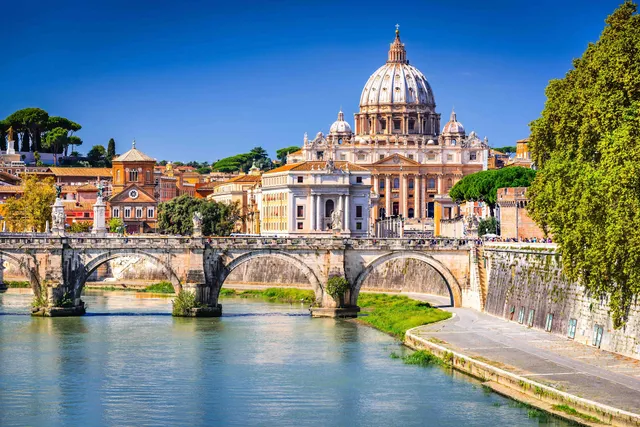
I just got back from Rome and I’m still processing everything I experienced. They call it the Eternal City—and rightly so. Every corner looks like a movie set, every stone holds centuries of history, and every walk feels like an open-air art lesson.
🧱 Colosseum Breathtaking. Standing in front of this ancient wonder left me speechless. Imagining gladiator battles and the magnitude of the Roman Empire was an overwhelming experience.
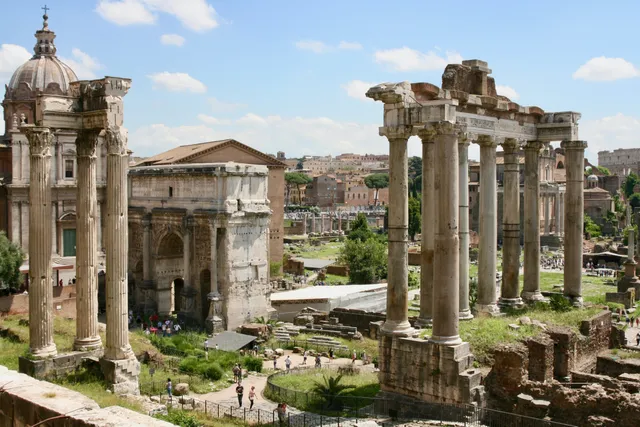
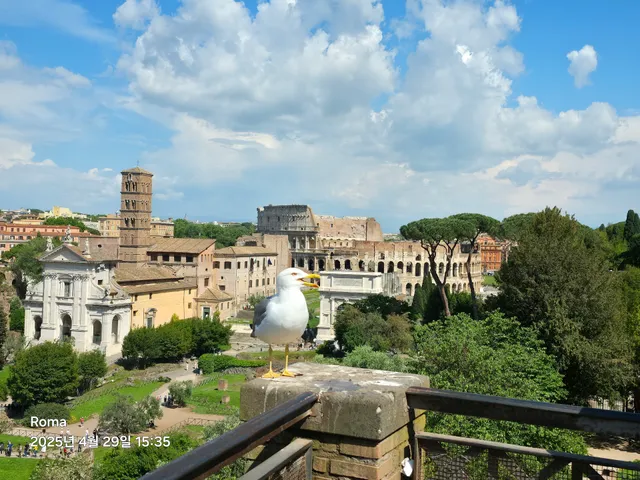
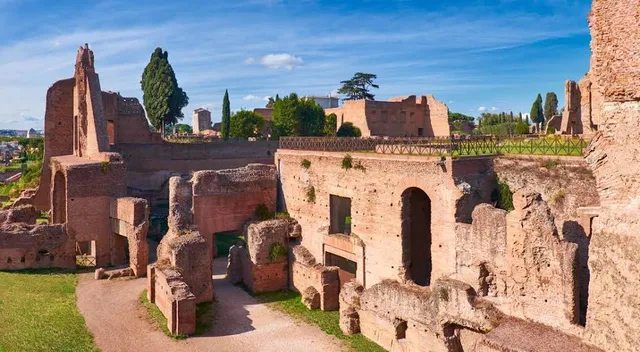
🏛️ Roman Forum and Palatine Hill Walking among ruins that old felt like stepping back in time. From the top of the Palatine Hill, the views of the Forum were stunning. I truly felt in the heart of ancient Rome.
⛲ Trevi Fountain Yes, I threw my coin. And yes, I want to return. It’s even more magical in person, especially at night when it’s all lit up and surrounded by excited visitors.
🕍 Pantheon An architectural gem. Its dome is simply perfect, and the peacefulness inside contrasts beautifully with the city buzz outside.
🎨 Piazza Navona and the Spanish Steps Both are vibrant, full of street artists, baroque fountains, and that charming Roman atmosphere. I sat down for a coffee and just watched life unfold around me.
🎨 Sistine Chapel An experience that left me breathless. Located in the Vatican, this chapel is far more than a religious site—it's a Renaissance masterpiece. The ceiling, painted by Michelangelo between 1508 and 1512, is simply dazzling, with scenes like The Creation of Adam that seem to come to life. And when you reach The Last Judgment on the altar wall, you realize you’re standing before one of the greatest achievements in the history of art. The scale, the color, the emotion... it's overwhelming. You can't describe it—you have to feel it.
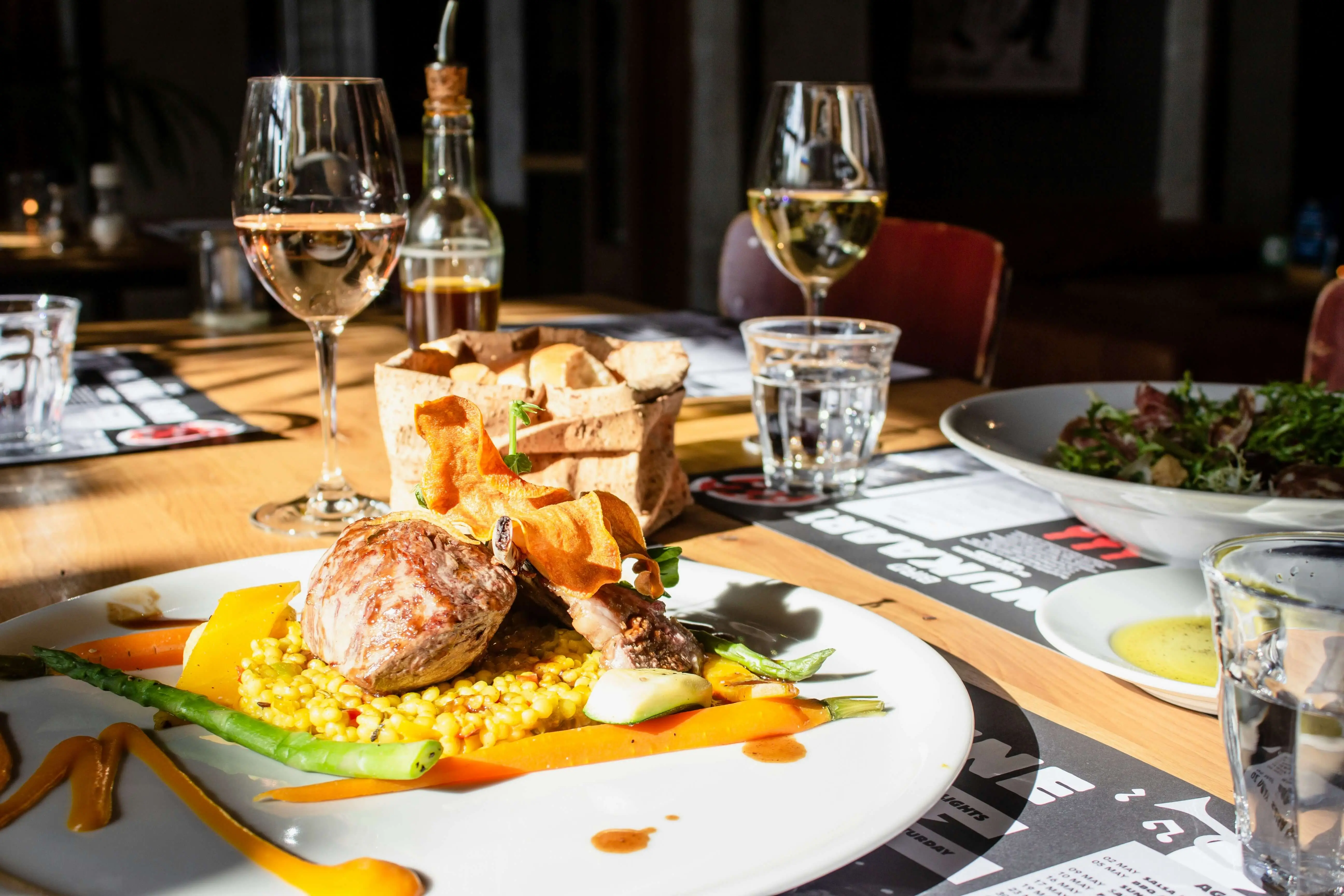
🍷 And now… the sandwich I couldn’t leave without trying the famous All’antico Vinaio. It’s located at Piazza della Maddalena 3, just steps from the Pantheon. The line was long, but it moved quickly. I ordered a schiacciata with mortadella, pistachio cream, and stracciatella… unreal! Crispy on the outside, soft on the inside, and bursting with flavors I still dream about. Worth every euro and every minute of waiting.
Rome stole my heart—not just for its history and beauty, but for its energy, its food, and its people. If you’re thinking about going… don’t hesitate. And don’t forget to stop by All’antico Vinaio. Your stomach will...
Read moreThe Colosseum in Rome
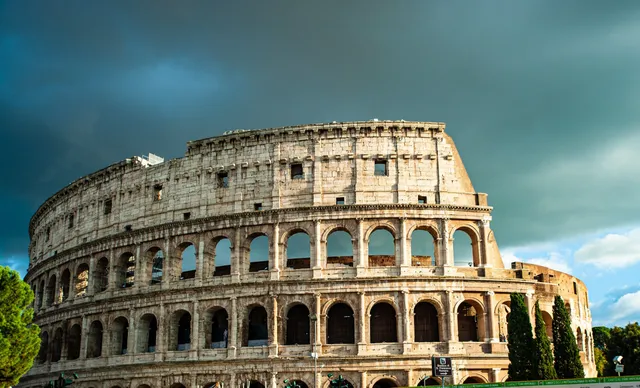
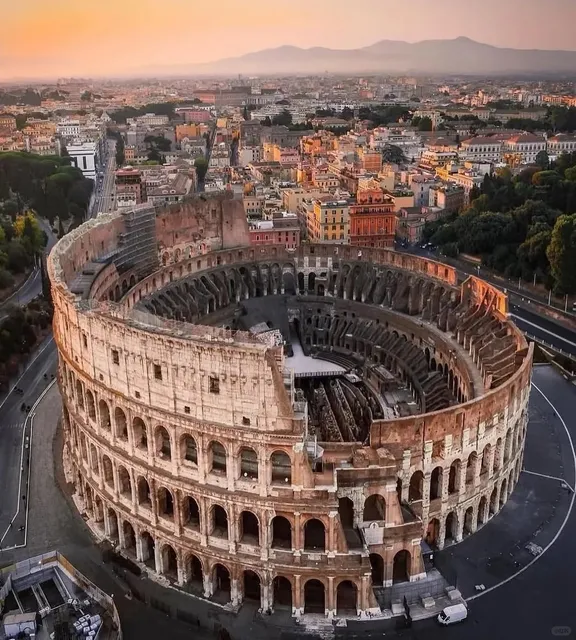
The Colosseum, also known as the Flavian Amphitheatre, is the largest ancient amphitheater ever built and one of the most iconic monuments of Imperial Rome. It is located in the center of Rome and is considered one of the greatest works of Roman engineering and architecture.
History and Construction • Construction began in AD 72 under Emperor Vespasian of the Flavian dynasty and was completed in AD 80 by his son Titus. • Later modifications were carried out under Emperor Domitian, which is why it is also called the Flavian Amphitheatre. • The Colosseum was built on the site of Emperor Nero’s former private lake, symbolizing the return of land to the Roman people.
Structure and Design • The amphitheater is an elliptical structure, measuring about 189 meters (620 ft) long, 156 meters (512 ft) wide, and originally standing 50 meters (164 ft) high. • It could hold between 50,000 and 80,000 spectators, making it the largest amphitheater of its time. • Its design included a complex system of vaults, arches, and corridors, allowing for efficient crowd movement. • Beneath the arena was the hypogeum, a network of tunnels and chambers used to house gladiators, animals, and stage machinery.
Purpose and Use • The Colosseum was primarily used for gladiatorial contests, animal hunts, executions, and mock naval battles (in its early years when the arena could be flooded). • These spectacles served both as entertainment and as a display of the power and wealth of the Roman Empire.
Decline and Preservation • After the fall of the Roman Empire, the Colosseum was damaged by earthquakes and stone robbers who reused its materials for other buildings. • Despite centuries of decline, it remains a powerful symbol of Rome’s history and resilience. • In 1980, it was declared a UNESCO World Heritage Site, and in 2007, it was included in the New Seven Wonders of the World.
Cultural Significance • The Colosseum is not only a monument of ancient Roman culture but also a global icon of endurance and human history. • Today, it attracts millions of visitors every year and stands as a reminder of both the grandeur and brutality of ancient Rome. • It is also used as a symbol against the death penalty, with the lights of the Colosseum illuminated whenever a death sentence is commuted anywhere...
Read more