Tal Barahi Temple things to do, attractions, restaurants, events info and trip planning
Basic Info
Tal Barahi Temple
6X43+X97, Pokhara 33700, Nepal
4.6(59)
Closed
Save
spot
spot
Ratings & Description
Info
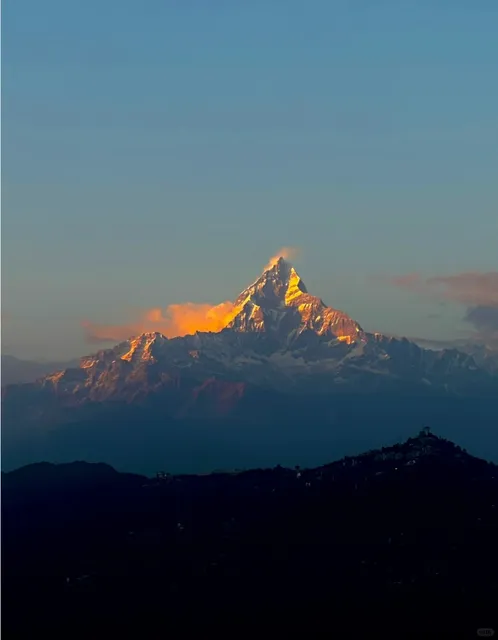
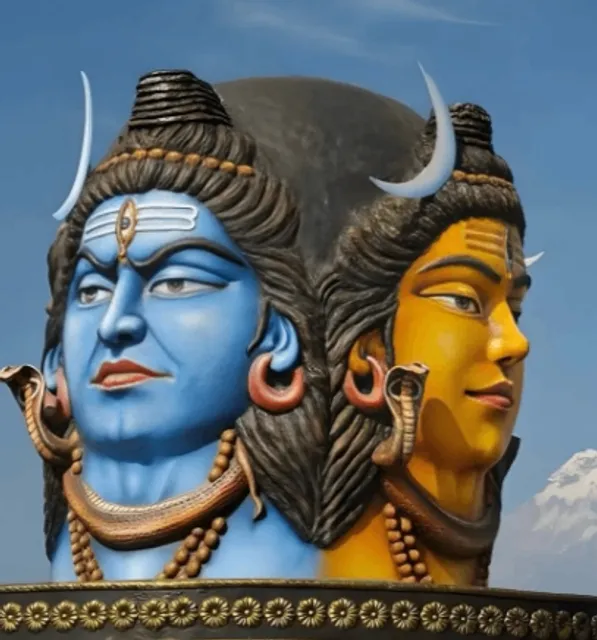
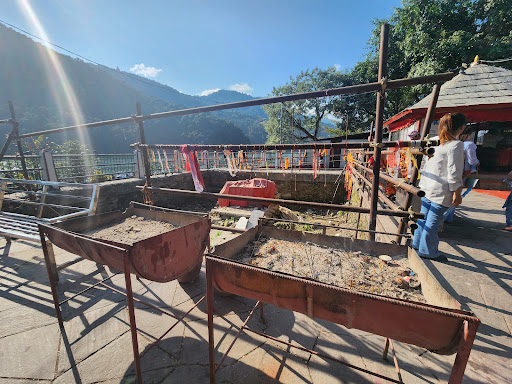
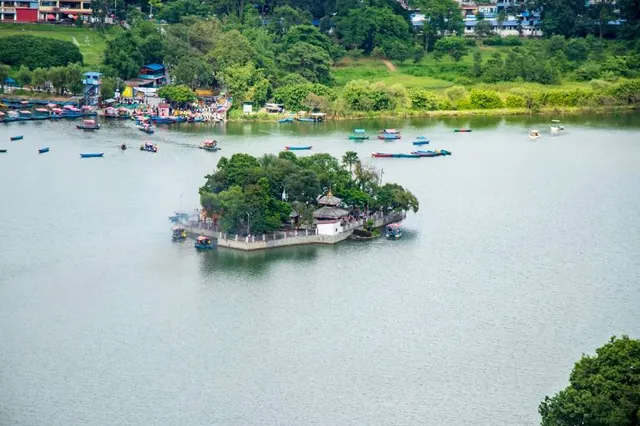
Tal Barahi temple also known as ‘Lake Temple’ or ‘Barahi Temple’ is a Hindu temple of the goddess Barahi. It is the most important religious monument in Pokhara, Nepal. This temple is located on a small island in the middle of Phewa Lake.
Cultural
Outdoor
Accessibility
attractions: Phewa Taal Boating, Sunrise Paragliding, North Nepal Travel & Trek Pvt. Ltd, Ethical Trekking Nepal Pvt. Ltd, Sisne Rover Trekking Pvt. Ltd., Ratna Mandir, Upper Mustang tour, Annapurna Paragliding Pvt.Ltd, Team 5 Nepal paragliding, Happy Treks Nepal, restaurants: byanjan, Moondance Restaurant & Bar, Dunga Restro & Lounge Bar, Paradiso Pokhara, Boomerang Restaurant and Bar, Best Godfather Pizzeria - Best Pizza in Town, White Rabbit Coffee, MoM's cafe & Bar (Mo2'S Delights Pokhara old name), Trisara Pokhara, Utopia Garden & Snacks Bar, local businesses: Pokhara Flight Centre Tours & Travel Pvt. Ltd, Couch Adventure Nepal Pvt Ltd, Himalayan Tea and Gift Shop, Can Travels Pvt Ltd, Smoking Yak Steakhouse & Pub, Trekking Guide Tenpa, Hi Nepal Travels & Treks Pvt. Ltd., Peak to Peak Tours and Treks Pvt Ltd, Nepal For Treks Pvt.Ltd., Eastern Light Trek.P.ltd, Nepal
 Learn more insights from Wanderboat AI.
Open hoursSee all hours
FriClosed
Plan your stay

Pet-friendly Hotels in Pokhara
Find a cozy hotel nearby and make it a full experience.

Affordable Hotels in Pokhara
Find a cozy hotel nearby and make it a full experience.

The Coolest Hotels You Haven't Heard Of (Yet)
Find a cozy hotel nearby and make it a full experience.

Trending Stays Worth the Hype in Pokhara
Find a cozy hotel nearby and make it a full experience.
Reviews
Live events
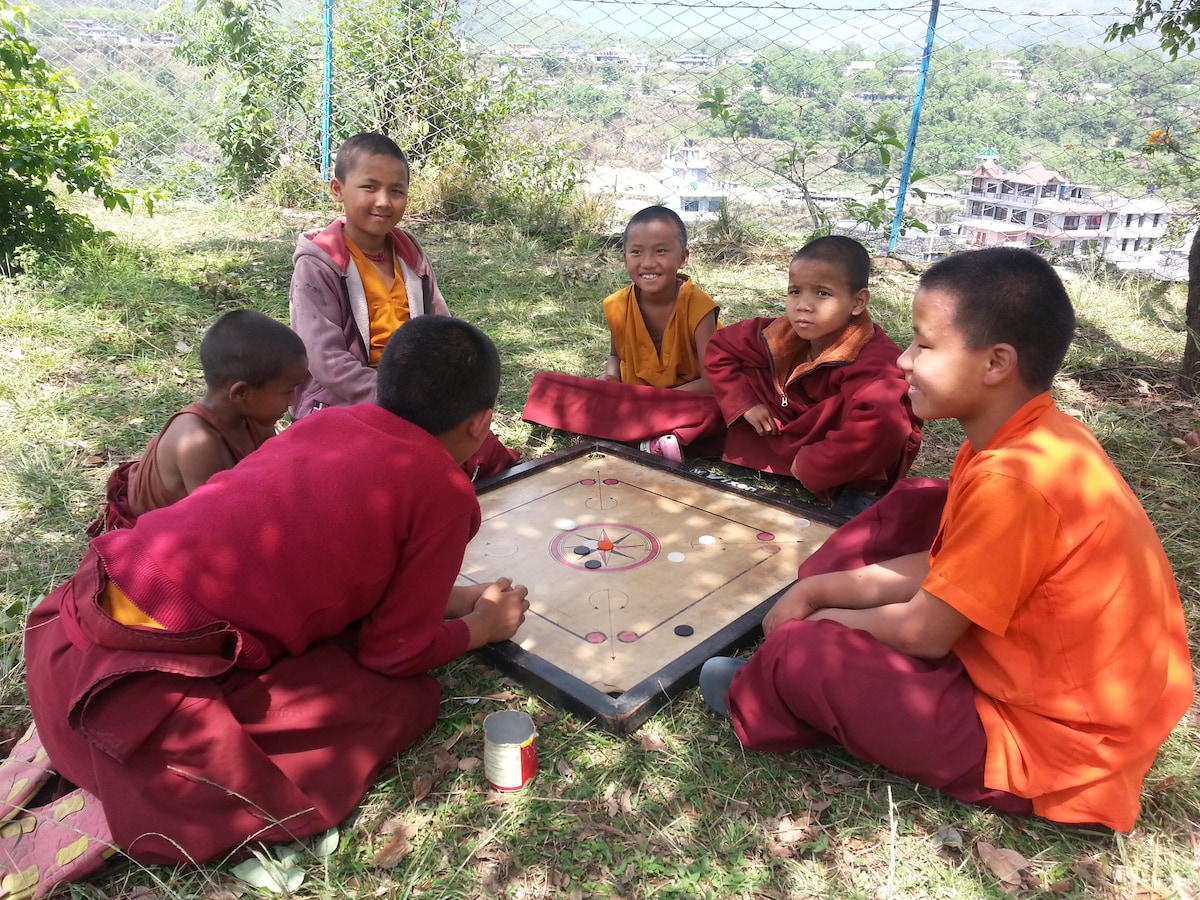
Full day Tibetan cultural Tour
Sun, Feb 22 • 9:00 AM
Pokhara, Gandaki Province 33700, Nepal
View details
Nearby attractions of Tal Barahi Temple
Phewa Taal Boating
Sunrise Paragliding
North Nepal Travel & Trek Pvt. Ltd
Ethical Trekking Nepal Pvt. Ltd
Sisne Rover Trekking Pvt. Ltd.
Ratna Mandir
Upper Mustang tour
Annapurna Paragliding Pvt.Ltd
Team 5 Nepal paragliding
Happy Treks Nepal
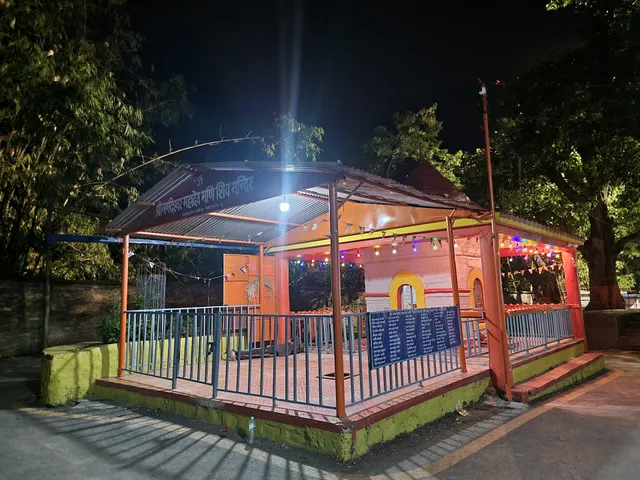
Phewa Taal Boating
4.5
(670)
Closed
Click for details
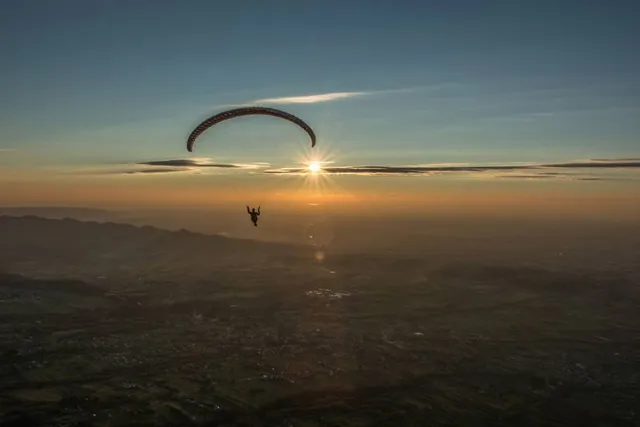
Sunrise Paragliding
4.9
(280)
Closed
Click for details
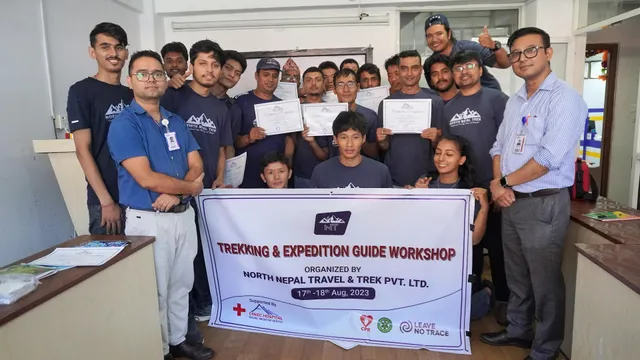
North Nepal Travel & Trek Pvt. Ltd
5.0
(94)
Closed
Click for details
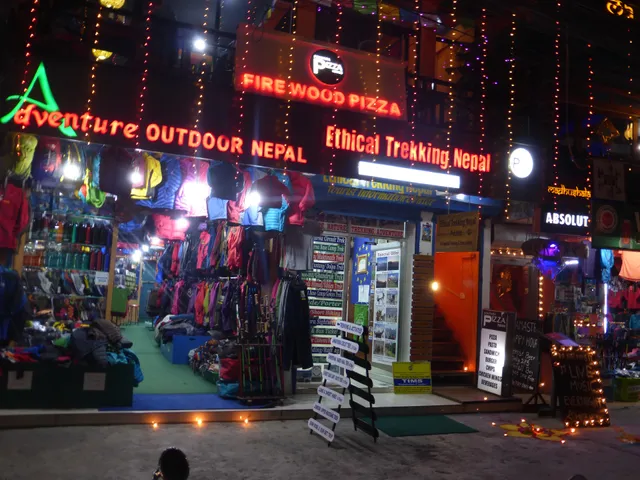
Ethical Trekking Nepal Pvt. Ltd
5.0
(116)
Open until 9:00 PM
Click for details
Nearby restaurants of Tal Barahi Temple
byanjan
Moondance Restaurant & Bar
Dunga Restro & Lounge Bar
Paradiso Pokhara
Boomerang Restaurant and Bar
Best Godfather Pizzeria - Best Pizza in Town
White Rabbit Coffee
MoM's cafe & Bar (Mo2'S Delights Pokhara old name)
Trisara Pokhara
Utopia Garden & Snacks Bar
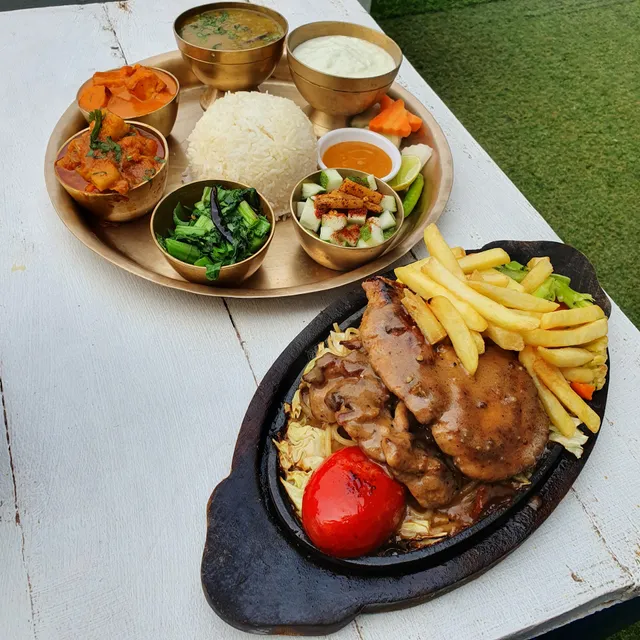
byanjan
4.3
(694)
$$
Open until 10:30 PM
Click for details
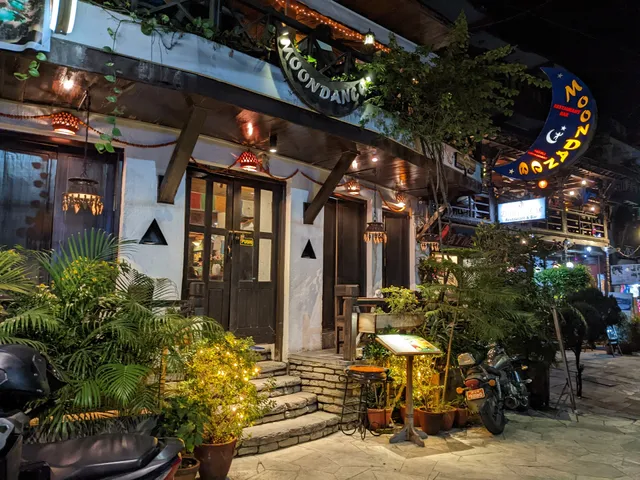
Moondance Restaurant & Bar
4.3
(675)
Open until 10:30 PM
Click for details
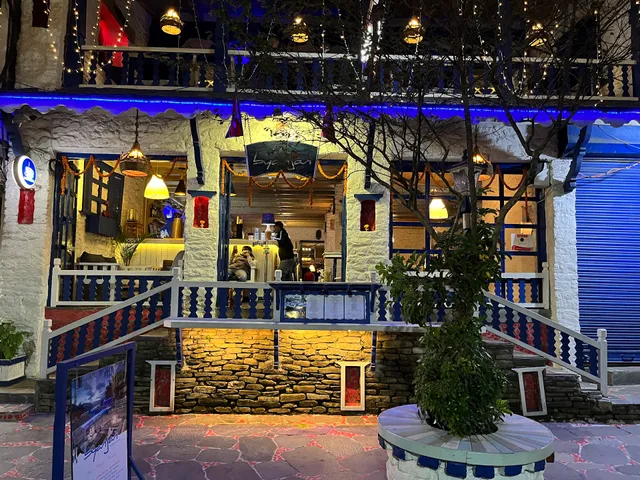
Dunga Restro & Lounge Bar
4.3
(469)
$$
Open until 2:00 AM
Click for details
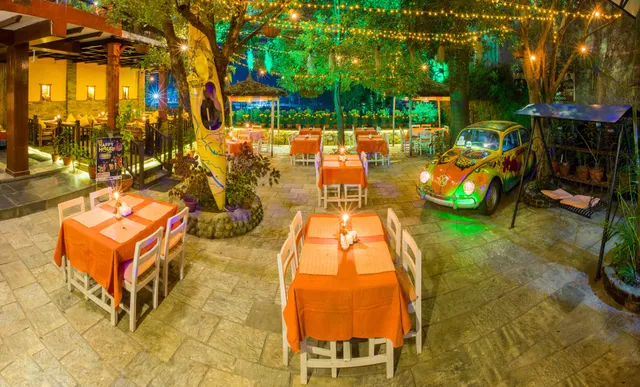
Paradiso Pokhara
4.2
(708)
$$
Open until 2:30 AM
Click for details
Nearby local services of Tal Barahi Temple
Pokhara Flight Centre Tours & Travel Pvt. Ltd
Couch Adventure Nepal Pvt Ltd
Himalayan Tea and Gift Shop
Can Travels Pvt Ltd
Smoking Yak Steakhouse & Pub
Trekking Guide Tenpa
Hi Nepal Travels & Treks Pvt. Ltd.
Peak to Peak Tours and Treks Pvt Ltd
Nepal For Treks Pvt.Ltd.
Eastern Light Trek.P.ltd, Nepal
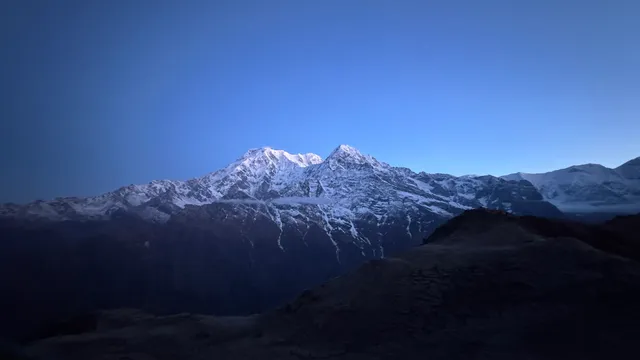
Pokhara Flight Centre Tours & Travel Pvt. Ltd
5.0
(216)
Click for details
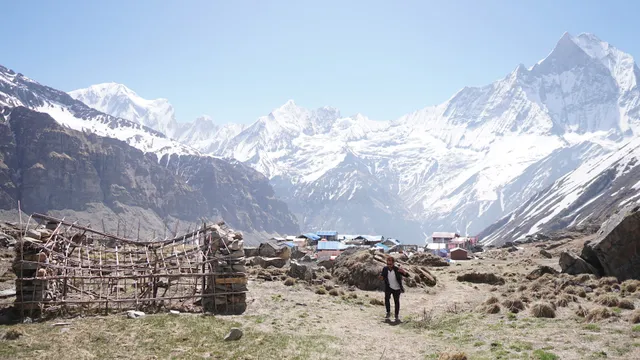
Couch Adventure Nepal Pvt Ltd
5.0
(103)
Click for details
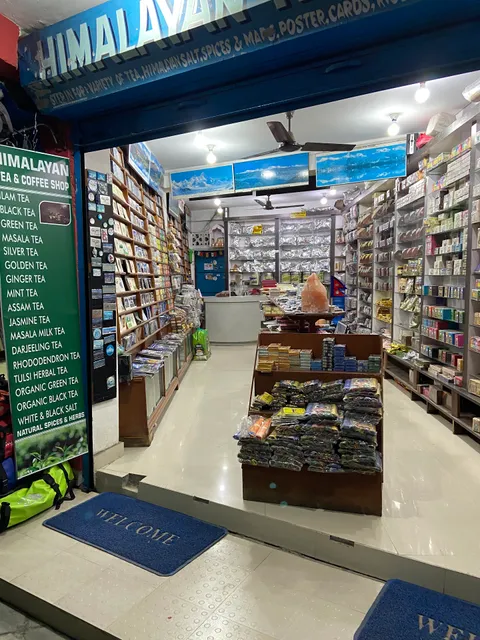
Himalayan Tea and Gift Shop
4.7
(17)
Click for details
Can Travels Pvt Ltd
5.0
(84)
Click for details