HTML SitemapExplore
logo
Find Things to DoFind The Best Restaurants

Begijnhofkapel — Attraction in Amsterdam

Name
Begijnhofkapel
Description
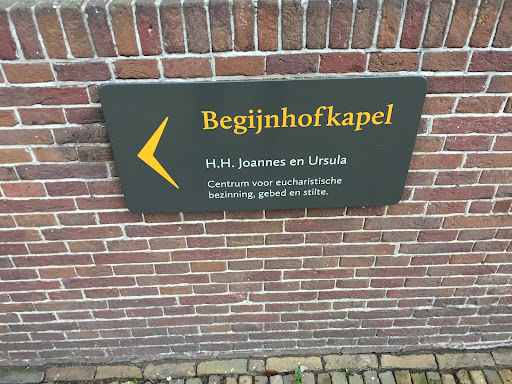
The Begijnhof Chapel, dedicated to Saint John and Saint Ursula, is a Roman Catholic chapel run by the Congregation of the Blessed Sacrament, in the St Nicholas Parish of Amsterdam. It is located in a former schuilkerk in the Begijnhof across from its original location, the English Reformed Church, Amsterdam.
Nearby attractions
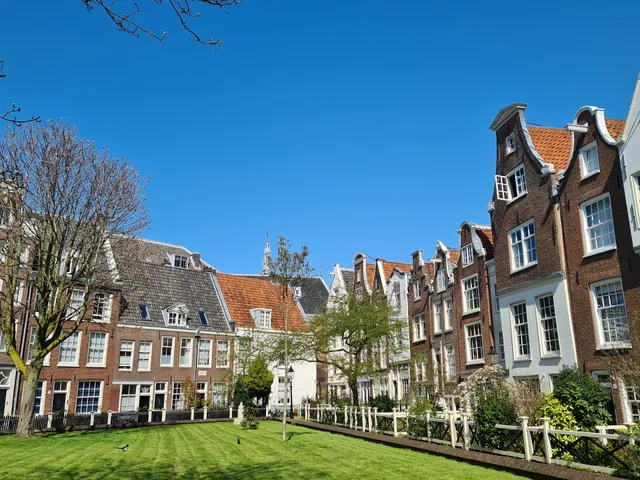
Begijnhof
Begijnhof 1, 1012 WS Amsterdam, Netherlands
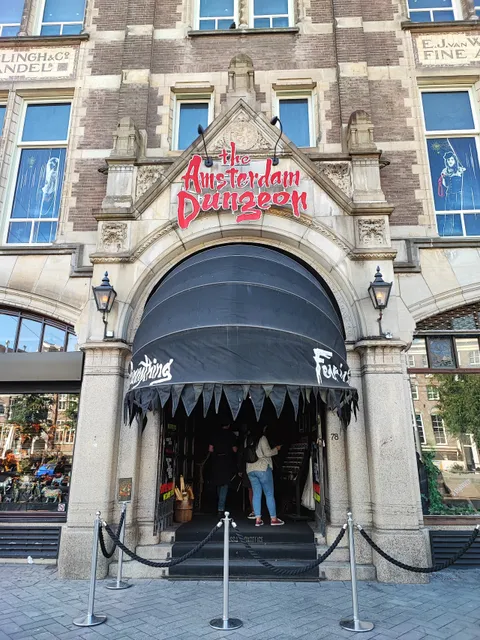
Dungeon Amsterdam
The Amsterdam Dungeon, Rokin 78, 1012 KW Amsterdam, Netherlands
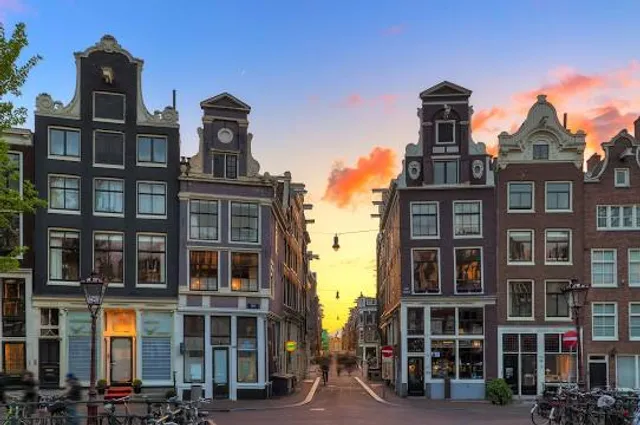
De 9 Straatjes
Wolvenstraat 9, 1016 EM Amsterdam, Netherlands
Torture Museum
Singel 449, 1012 WP Amsterdam, Netherlands
Madame Tussauds Amsterdam
Dam 20, 1012 NP Amsterdam, Netherlands
Museum of the Canals
Herengracht 386, 1016 CJ Amsterdam, Netherlands
Dam Square
Dam, 1012 RJ Amsterdam, Netherlands
Royal Palace Amsterdam
Nieuwezijds Voorburgwal 147, 1012 RJ Amsterdam, Netherlands
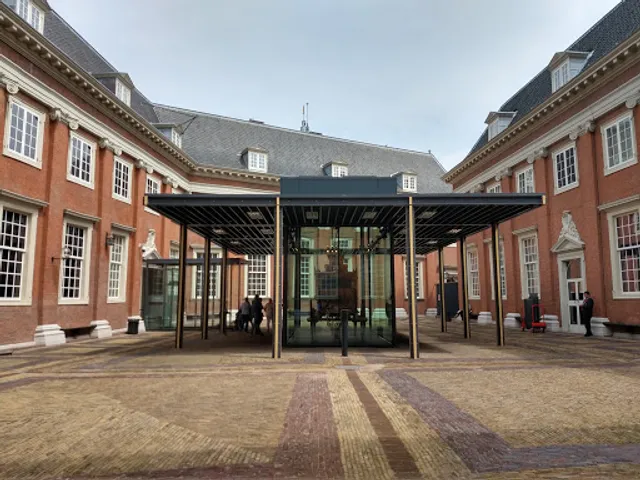
Allard Pierson Museum of Antiquities
Oude Turfmarkt 127-129, 1012 GC Amsterdam, Netherlands
Ripley's Believe It or Not!
Dam 21, 1012 JS Amsterdam, Netherlands
Nearby restaurants
The Seafood Bar
Spui 15, 1012 WX Amsterdam, Netherlands
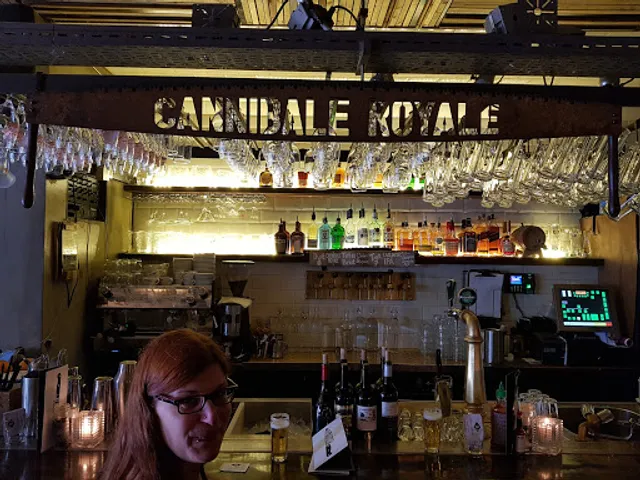
Cannibale Royale Handboogstraat
Handboogstraat 17a, 1012 XM Amsterdam, Netherlands
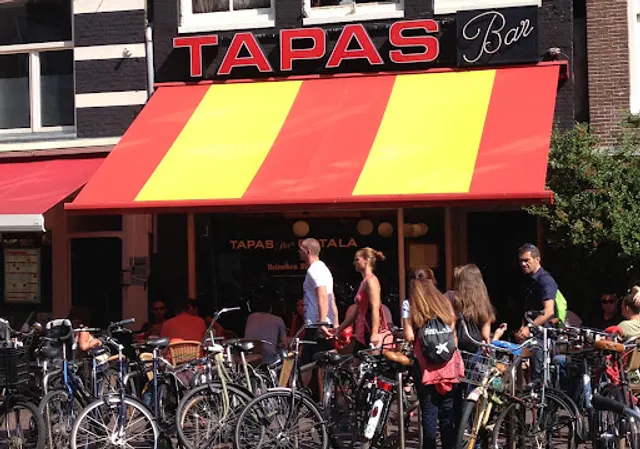
Tapas Bar Català
Spuistraat 299, 1012 VS Amsterdam, Netherlands
Dante Kitchen & Bar
Spuistraat 320, 1012 VX Amsterdam, Netherlands
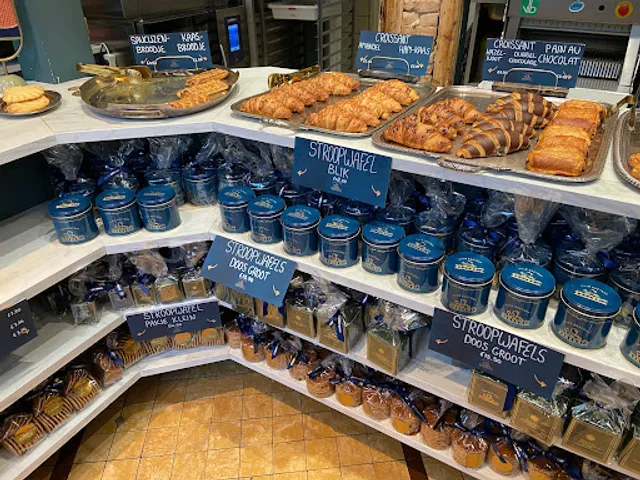
The Happy Pig Pancake Shop
Rosmarijnsteeg 12, 1012 RP Amsterdam, Netherlands
La Piccola Trattoria Da Tonino
Nieuwezijds Voorburgwal 346, 1012 RX Amsterdam, Netherlands
Sagardi Amsterdam
Spuistraat 304, 1012 VX Amsterdam, Netherlands
d'Vijff Vlieghen
Spuistraat 294-302, 1012 VX Amsterdam, Netherlands
Pizza Beppe Amsterdam Spui
Rozenboomsteeg 12-14, 1012 PR Amsterdam, Netherlands
Café Luxembourg
Spui 24, 1012 XA Amsterdam, Netherlands
Related posts
Keywords
Begijnhofkapel tourism.Begijnhofkapel hotels.Begijnhofkapel bed and breakfast. flights to Begijnhofkapel.Begijnhofkapel attractions.Begijnhofkapel restaurants.Begijnhofkapel travel.Begijnhofkapel travel guide.Begijnhofkapel travel blog.Begijnhofkapel pictures.Begijnhofkapel photos.Begijnhofkapel travel tips.Begijnhofkapel maps.Begijnhofkapel things to do.
Begijnhofkapel things to do, attractions, restaurants, events info and trip planning
Begijnhofkapel
NetherlandsNorth HollandAmsterdamBegijnhofkapel

Basic Info

Begijnhofkapel

Begijnhof 29, 1012 WT Amsterdam, Netherlands
4.5(417)
Open 24 hours
Save
spot

Ratings & Description

Info

The Begijnhof Chapel, dedicated to Saint John and Saint Ursula, is a Roman Catholic chapel run by the Congregation of the Blessed Sacrament, in the St Nicholas Parish of Amsterdam. It is located in a former schuilkerk in the Begijnhof across from its original location, the English Reformed Church, Amsterdam.

Cultural
Scenic
Relaxation
Accessibility
Family friendly
attractions: Begijnhof, Dungeon Amsterdam, De 9 Straatjes, Torture Museum, Madame Tussauds Amsterdam, Museum of the Canals, Dam Square, Royal Palace Amsterdam, Allard Pierson Museum of Antiquities, Ripley's Believe It or Not!, restaurants: The Seafood Bar, Cannibale Royale Handboogstraat, Tapas Bar Català, Dante Kitchen & Bar, The Happy Pig Pancake Shop, La Piccola Trattoria Da Tonino, Sagardi Amsterdam, d'Vijff Vlieghen, Pizza Beppe Amsterdam Spui, Café Luxembourg
logoLearn more insights from Wanderboat AI.
Phone
+31 20 622 1918
Website
nicolaas-parochie.nl

Plan your stay

hotel
Pet-friendly Hotels in Amsterdam
Find a cozy hotel nearby and make it a full experience.
hotel
Affordable Hotels in Amsterdam
Find a cozy hotel nearby and make it a full experience.
hotel
The Coolest Hotels You Haven't Heard Of (Yet)
Find a cozy hotel nearby and make it a full experience.
hotel
Trending Stays Worth the Hype in Amsterdam
Find a cozy hotel nearby and make it a full experience.

Reviews

Nearby attractions of Begijnhofkapel

Begijnhof

Dungeon Amsterdam

De 9 Straatjes

Torture Museum

Madame Tussauds Amsterdam

Museum of the Canals

Dam Square

Royal Palace Amsterdam

Allard Pierson Museum of Antiquities

Ripley's Believe It or Not!

Begijnhof

Begijnhof

4.5

(4K)

Open 24 hours
Click for details
Dungeon Amsterdam

Dungeon Amsterdam

4.5

(5.6K)

Open 24 hours
Click for details
De 9 Straatjes

De 9 Straatjes

4.5

(6K)

Open 24 hours
Click for details
Torture Museum

Torture Museum

3.4

(1.7K)

Open 24 hours
Click for details

Things to do nearby

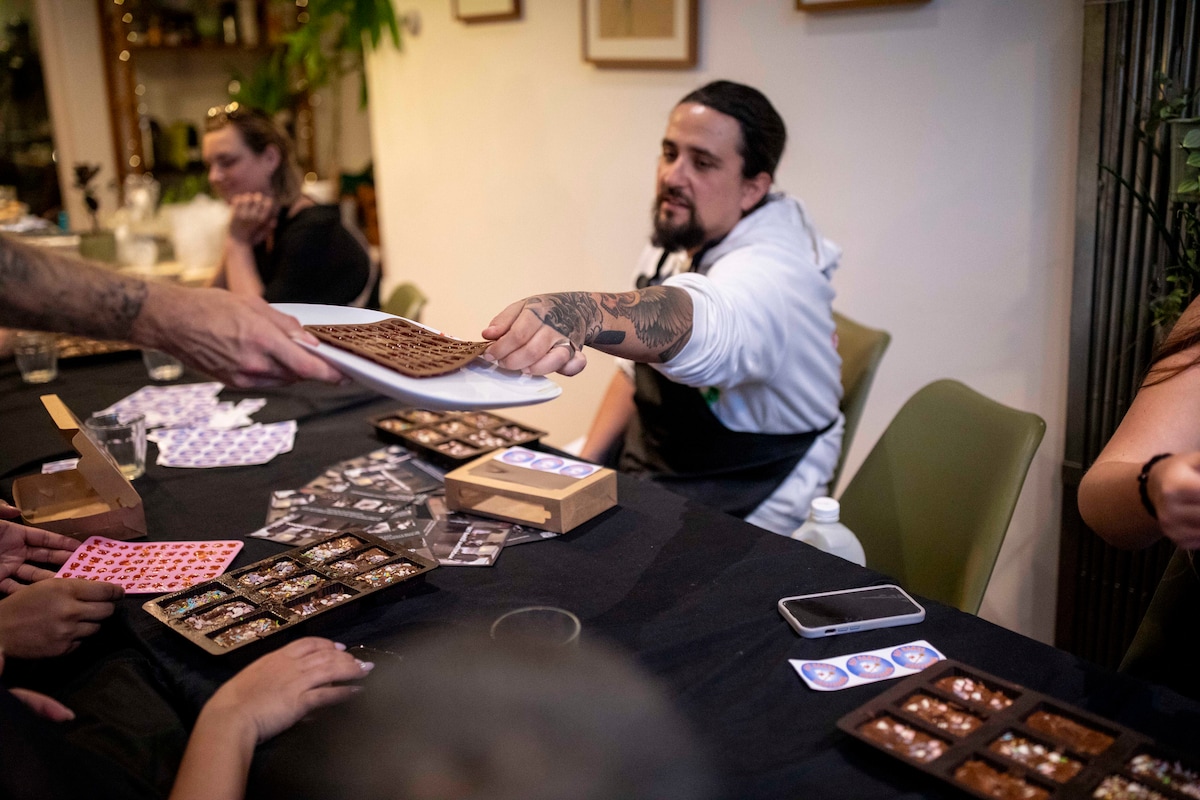
Make edibles in Amsterdam with Get Baked Amsterdam
Fri, Dec 5 • 1:15 PM
1052 HL, Amsterdam, Netherlands
View details
Cruise like a local Amsterdam
Sat, Dec 6 • 12:00 PM
1016 HL, Amsterdam, Netherlands
View details
Humans of Amsterdam - Cultural Walking Tour
Thu, Dec 11 • 1:00 PM
1016 DL, Amsterdam, Netherlands
View details

Nearby restaurants of Begijnhofkapel

The Seafood Bar

Cannibale Royale Handboogstraat

Tapas Bar Català

Dante Kitchen & Bar

The Happy Pig Pancake Shop

La Piccola Trattoria Da Tonino

Sagardi Amsterdam

d'Vijff Vlieghen

Pizza Beppe Amsterdam Spui

Café Luxembourg

The Seafood Bar

The Seafood Bar

4.7

(6.1K)

$$$

Click for details
Cannibale Royale Handboogstraat

Cannibale Royale Handboogstraat

4.5

(2.9K)

Click for details
Tapas Bar Català

Tapas Bar Català

4.2

(804)

Click for details
Dante Kitchen & Bar

Dante Kitchen & Bar

3.8

(962)

Click for details
Get the Appoverlay
Get the AppOne tap to find yournext favorite spots!
Wanderboat LogoWanderboat

Your everyday Al companion for getaway ideas

CompanyAbout Us
InformationAI Trip PlannerSitemap
SocialXInstagramTiktokLinkedin
LegalTerms of ServicePrivacy Policy

Get the app

© 2025 Wanderboat. All rights reserved.
logo

Reviews of Begijnhofkapel

4.5
(417)
avatar
3.0
6y

Begijnhofkapel (Chapel) is a Catholic chapel within the courtyard grounds of Begijnhof in Central Amsterdam. This is a small but quaint 17th-century chapel worth a few minutes to enjoy when spending time at Begijnhof.

This chapel remains open for mediation and worship with regular Sunday services. During our visit in December, Begijnhofkapel was decorated for the upcoming Christmas holiday. This was nice to see.

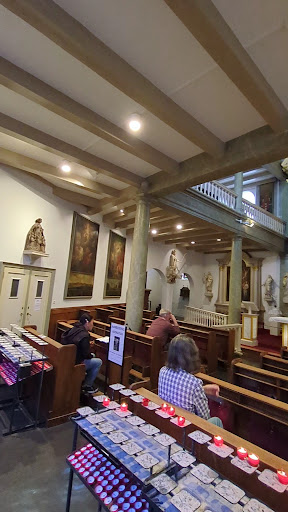
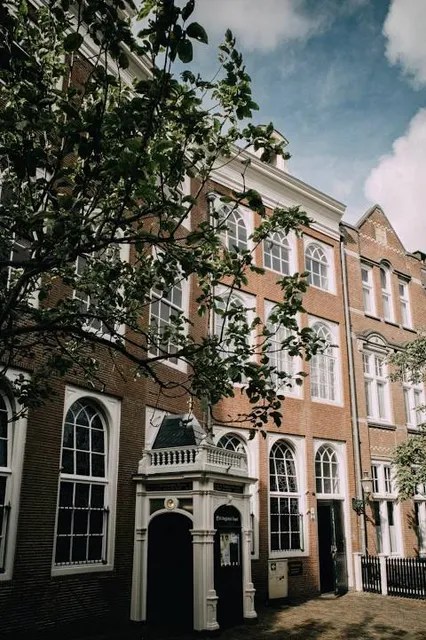
You will find the entrance to the chapel just across from the Reformed English Church building. From the outside, it appears to be nothing more than one of the house buildings of Begijnhof. However, once inside, it is clear you are within a house of worship. There is a fine altar and altar painting, marbled columns and interesting stained-glass windows.

Do take note of the old fresco scene that stretches the length of the wall on the right hand side of the church interior. The mural is quite faded in colour and they keep the lights low in effort to help preserve the image. Judging from its condition, I would speculate that that the mural dates back to the early days of the church.

You can conveniently see Begijnhofkapel in 10-15 minutes as part of your visit...

   Read more
avatar
5.0
1y

La Cappella del Begijnhof è una cappella cattolica che si trova ad Amsterdam all'interno del Begijnhof. La cappella è dedicata a San Giovanni e Sant'Orsola ed è gestita dalla Congregazione del Santissimo Sacramento. La processione che annualmente commemora il miracolo di Amsterdam parte da questa chiesa. Intorno al 1150 un gruppo di donne si riunì a vivere in una comunità religiosa per prendersi cura dei malati, diventando le prime beghine anche se il termine non era ancora stato usato. Le donne non erano suore ma donne non sposate che avevano fatto voto di castità e avevano promesso obbedienza al parroco ma, poiché non avevano fatto voto di povertà, potevano disporre dei propri beni come desideravano. Potevano inoltre rinunciare ai loro voti in qualsiasi momento e lasciare il beghinaggio, ad esempio, per sposarsi. Già nel 1397 le beghine avevano una piccola cappella dedicata alla Beata Vergine Maria. Il 17 ottobre 1419, dopo l'ampliamento del beghinaggio, venne consacrata solennemente una nuova cappella dedicata alla Beata Vergine Maria, a San Giovanni Evangelista e all'apostolo Matteo. La chiesa venne gravemente danneggiata durante i due grandi incendi del 23 aprile 1421 e 25 maggio 1452. Fino al 1578 Amsterdam era quasi completamente cattolica, con due grandi chiese parrocchiali, sei cappelle e molti monasteri e conventi e ogni anno il culto del Sacramento del Miracolo attirava migliaia di pellegrini in città per la processione dello Stille Omgang. Ad Amsterdam i riformatori protestanti erano particolarmente contrari all'idolatria dell'ostia e, dopo che gli orangisti calvinisti prevalsero, i protestanti presero il potere e vietarono ai cattolici la libera professione di fede, confiscando tutte le chiese, i monasteri e i conventi. Anche le beghine dovettero consegnare la chiesa che venne data agli inglesi e che prese il nome di Chiesa riformata inglese. Dopo che le beghine furono costrette a cedere la loro chiesa, continuarono a pregare nella sagrestia e in seguito nelle casette del hofje finché nel 1665, a seguito dell'unione di due case dell'hofje, iniziò la costruzione della chiesa attuale. Il consiglio protestante della città di Amsterdam approvò la costruzione a condizione che l'edificio non sembrasse una chiesa dall'esterno. La cappella interna fu progettata dall'architetto cattolico di Amsterdam, Philips Vingboons, e venne dedicata a San Giovanni Evangelista e Sant'Orsola. Nella sua forma attuale la cappella ha una galleria con una sezione sinistra e una destra, appoggiata su sei colonne di legno. Sull'altare principale c'è un dipinto raffigurante il Miracolo di Amsterdam, mentre nei due altari laterali ci sono dipinti di Claes Corneliszoon Moeyaert. L'odierna facciata con le sue finestre ogive in stile gotico risale...

   Read more
avatar
1.0
23w

The experience was thoroughly disappointing due to the unacceptable behavior of the gate guard. We waited patiently for over five minutes while he stood idly chatting with his friends. During this time, several people walked in without issue, so we followed suit—only to be abruptly stopped. He screamed, "I AM BUSY. YOU WILL WAIT," in an unnecessarily aggressive and hostile tone.

When he finally finished talking with his friends, he then told us to not sit on the walls and go in. That was his whole purpose.

The courtyard itself was unremarkable—nothing worth writing home about—but the guard’s rudeness overshadowed everything. His attitude was not only unprofessional but completely uncalled for. It left a sour taste and ruined what could have been a...

   Read more
Page 1 of 7
Previous
Next

Posts

BradBrad
Begijnhofkapel (Chapel) is a Catholic chapel within the courtyard grounds of Begijnhof in Central Amsterdam. This is a small but quaint 17th-century chapel worth a few minutes to enjoy when spending time at Begijnhof. This chapel remains open for mediation and worship with regular Sunday services. During our visit in December, Begijnhofkapel was decorated for the upcoming Christmas holiday. This was nice to see. You will find the entrance to the chapel just across from the Reformed English Church building. From the outside, it appears to be nothing more than one of the house buildings of Begijnhof. However, once inside, it is clear you are within a house of worship. There is a fine altar and altar painting, marbled columns and interesting stained-glass windows. Do take note of the old fresco scene that stretches the length of the wall on the right hand side of the church interior. The mural is quite faded in colour and they keep the lights low in effort to help preserve the image. Judging from its condition, I would speculate that that the mural dates back to the early days of the church. You can conveniently see Begijnhofkapel in 10-15 minutes as part of your visit to Begijnhof.
daniele pedronidaniele pedroni
La Cappella del Begijnhof è una cappella cattolica che si trova ad Amsterdam all'interno del Begijnhof. La cappella è dedicata a San Giovanni e Sant'Orsola ed è gestita dalla Congregazione del Santissimo Sacramento. La processione che annualmente commemora il miracolo di Amsterdam parte da questa chiesa. Intorno al 1150 un gruppo di donne si riunì a vivere in una comunità religiosa per prendersi cura dei malati, diventando le prime beghine anche se il termine non era ancora stato usato. Le donne non erano suore ma donne non sposate che avevano fatto voto di castità e avevano promesso obbedienza al parroco ma, poiché non avevano fatto voto di povertà, potevano disporre dei propri beni come desideravano. Potevano inoltre rinunciare ai loro voti in qualsiasi momento e lasciare il beghinaggio, ad esempio, per sposarsi. Già nel 1397 le beghine avevano una piccola cappella dedicata alla Beata Vergine Maria. Il 17 ottobre 1419, dopo l'ampliamento del beghinaggio, venne consacrata solennemente una nuova cappella dedicata alla Beata Vergine Maria, a San Giovanni Evangelista e all'apostolo Matteo. La chiesa venne gravemente danneggiata durante i due grandi incendi del 23 aprile 1421 e 25 maggio 1452. Fino al 1578 Amsterdam era quasi completamente cattolica, con due grandi chiese parrocchiali, sei cappelle e molti monasteri e conventi e ogni anno il culto del Sacramento del Miracolo attirava migliaia di pellegrini in città per la processione dello Stille Omgang. Ad Amsterdam i riformatori protestanti erano particolarmente contrari all'idolatria dell'ostia e, dopo che gli orangisti calvinisti prevalsero, i protestanti presero il potere e vietarono ai cattolici la libera professione di fede, confiscando tutte le chiese, i monasteri e i conventi. Anche le beghine dovettero consegnare la chiesa che venne data agli inglesi e che prese il nome di Chiesa riformata inglese. Dopo che le beghine furono costrette a cedere la loro chiesa, continuarono a pregare nella sagrestia e in seguito nelle casette del hofje finché nel 1665, a seguito dell'unione di due case dell'hofje, iniziò la costruzione della chiesa attuale. Il consiglio protestante della città di Amsterdam approvò la costruzione a condizione che l'edificio non sembrasse una chiesa dall'esterno. La cappella interna fu progettata dall'architetto cattolico di Amsterdam, Philips Vingboons, e venne dedicata a San Giovanni Evangelista e Sant'Orsola. Nella sua forma attuale la cappella ha una galleria con una sezione sinistra e una destra, appoggiata su sei colonne di legno. Sull'altare principale c'è un dipinto raffigurante il Miracolo di Amsterdam, mentre nei due altari laterali ci sono dipinti di Claes Corneliszoon Moeyaert. L'odierna facciata con le sue finestre ogive in stile gotico risale al XIX secolo.
Tanja Eipl-FräulinTanja Eipl-Fräulin
Der Innenhof ist sehenswert. Das laute Treiben der Stadt wirkt wie abgeschaltet, wenn man durch den Eingang hindurch ist. Zum Schutz der hier lebenden Frauen sind Teile des Innenhofs nicht zugänglich. Es wird im allgemeinen um Ruhe und Rücksicht gebeten. Der Ort ist ursprünglich eine Wohnanlage der Beginen und stammt aus dem 14. Jahrhundert. Die letzte Begine starb 1971. Gleich in der Nähe von einem Eingangsbereich (es gibt 2) kann man ein Haus mit schwarzer Holz Fassade sehen. So sahen früher alle Häuser aus. Nach zahlreichen Bränden durften Häuser nur noch Fassaden aus Stein haben. Wenn man den Hof betritt, steigt man ein paar Stufen nach unten. Das Niveau dieser Ebene war das ursprüngliche. Daran ist erkennbar wie die Bebauung absackt. Die Kapelle, die in die Häuserzeile integriert ist, gehört zu den 2 versteckten katholischen Kirchen, die es noch in Amsterdam gibt. In ihr finden nach wie vor messen statt.
See more posts
See more posts
hotel
Find your stay

Pet-friendly Hotels in Amsterdam

Find a cozy hotel nearby and make it a full experience.

Begijnhofkapel (Chapel) is a Catholic chapel within the courtyard grounds of Begijnhof in Central Amsterdam. This is a small but quaint 17th-century chapel worth a few minutes to enjoy when spending time at Begijnhof. This chapel remains open for mediation and worship with regular Sunday services. During our visit in December, Begijnhofkapel was decorated for the upcoming Christmas holiday. This was nice to see. You will find the entrance to the chapel just across from the Reformed English Church building. From the outside, it appears to be nothing more than one of the house buildings of Begijnhof. However, once inside, it is clear you are within a house of worship. There is a fine altar and altar painting, marbled columns and interesting stained-glass windows. Do take note of the old fresco scene that stretches the length of the wall on the right hand side of the church interior. The mural is quite faded in colour and they keep the lights low in effort to help preserve the image. Judging from its condition, I would speculate that that the mural dates back to the early days of the church. You can conveniently see Begijnhofkapel in 10-15 minutes as part of your visit to Begijnhof.
Brad

Brad

hotel
Find your stay

Affordable Hotels in Amsterdam

Find a cozy hotel nearby and make it a full experience.

Get the Appoverlay
Get the AppOne tap to find yournext favorite spots!
La Cappella del Begijnhof è una cappella cattolica che si trova ad Amsterdam all'interno del Begijnhof. La cappella è dedicata a San Giovanni e Sant'Orsola ed è gestita dalla Congregazione del Santissimo Sacramento. La processione che annualmente commemora il miracolo di Amsterdam parte da questa chiesa. Intorno al 1150 un gruppo di donne si riunì a vivere in una comunità religiosa per prendersi cura dei malati, diventando le prime beghine anche se il termine non era ancora stato usato. Le donne non erano suore ma donne non sposate che avevano fatto voto di castità e avevano promesso obbedienza al parroco ma, poiché non avevano fatto voto di povertà, potevano disporre dei propri beni come desideravano. Potevano inoltre rinunciare ai loro voti in qualsiasi momento e lasciare il beghinaggio, ad esempio, per sposarsi. Già nel 1397 le beghine avevano una piccola cappella dedicata alla Beata Vergine Maria. Il 17 ottobre 1419, dopo l'ampliamento del beghinaggio, venne consacrata solennemente una nuova cappella dedicata alla Beata Vergine Maria, a San Giovanni Evangelista e all'apostolo Matteo. La chiesa venne gravemente danneggiata durante i due grandi incendi del 23 aprile 1421 e 25 maggio 1452. Fino al 1578 Amsterdam era quasi completamente cattolica, con due grandi chiese parrocchiali, sei cappelle e molti monasteri e conventi e ogni anno il culto del Sacramento del Miracolo attirava migliaia di pellegrini in città per la processione dello Stille Omgang. Ad Amsterdam i riformatori protestanti erano particolarmente contrari all'idolatria dell'ostia e, dopo che gli orangisti calvinisti prevalsero, i protestanti presero il potere e vietarono ai cattolici la libera professione di fede, confiscando tutte le chiese, i monasteri e i conventi. Anche le beghine dovettero consegnare la chiesa che venne data agli inglesi e che prese il nome di Chiesa riformata inglese. Dopo che le beghine furono costrette a cedere la loro chiesa, continuarono a pregare nella sagrestia e in seguito nelle casette del hofje finché nel 1665, a seguito dell'unione di due case dell'hofje, iniziò la costruzione della chiesa attuale. Il consiglio protestante della città di Amsterdam approvò la costruzione a condizione che l'edificio non sembrasse una chiesa dall'esterno. La cappella interna fu progettata dall'architetto cattolico di Amsterdam, Philips Vingboons, e venne dedicata a San Giovanni Evangelista e Sant'Orsola. Nella sua forma attuale la cappella ha una galleria con una sezione sinistra e una destra, appoggiata su sei colonne di legno. Sull'altare principale c'è un dipinto raffigurante il Miracolo di Amsterdam, mentre nei due altari laterali ci sono dipinti di Claes Corneliszoon Moeyaert. L'odierna facciata con le sue finestre ogive in stile gotico risale al XIX secolo.
daniele pedroni

daniele pedroni

hotel
Find your stay

The Coolest Hotels You Haven't Heard Of (Yet)

Find a cozy hotel nearby and make it a full experience.

hotel
Find your stay

Trending Stays Worth the Hype in Amsterdam

Find a cozy hotel nearby and make it a full experience.

Der Innenhof ist sehenswert. Das laute Treiben der Stadt wirkt wie abgeschaltet, wenn man durch den Eingang hindurch ist. Zum Schutz der hier lebenden Frauen sind Teile des Innenhofs nicht zugänglich. Es wird im allgemeinen um Ruhe und Rücksicht gebeten. Der Ort ist ursprünglich eine Wohnanlage der Beginen und stammt aus dem 14. Jahrhundert. Die letzte Begine starb 1971. Gleich in der Nähe von einem Eingangsbereich (es gibt 2) kann man ein Haus mit schwarzer Holz Fassade sehen. So sahen früher alle Häuser aus. Nach zahlreichen Bränden durften Häuser nur noch Fassaden aus Stein haben. Wenn man den Hof betritt, steigt man ein paar Stufen nach unten. Das Niveau dieser Ebene war das ursprüngliche. Daran ist erkennbar wie die Bebauung absackt. Die Kapelle, die in die Häuserzeile integriert ist, gehört zu den 2 versteckten katholischen Kirchen, die es noch in Amsterdam gibt. In ihr finden nach wie vor messen statt.
Tanja Eipl-Fräulin

Tanja Eipl-Fräulin

See more posts
See more posts