Oklahoma City National Memorial & Museum things to do, attractions, restaurants, events info and trip planning
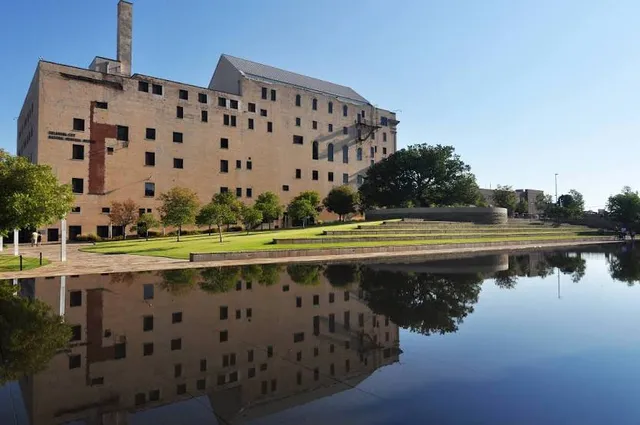
Basic Info
Oklahoma City National Memorial & Museum
620 N Harvey Ave, Oklahoma City, OK 73102
4.9(5.1K)
Closed

tickets
Save
spot
spot
Ratings & Description
Info
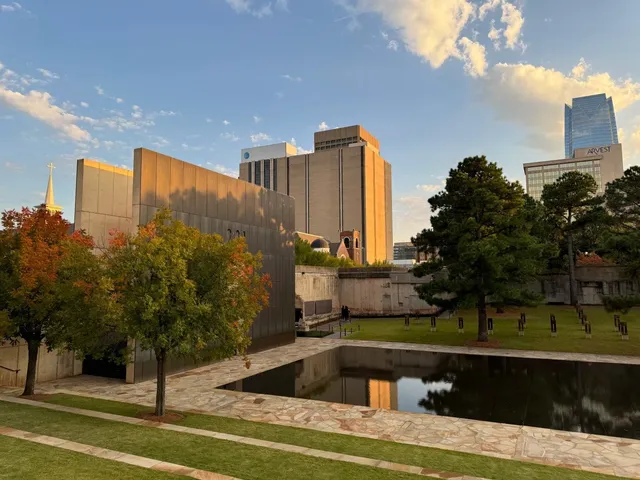
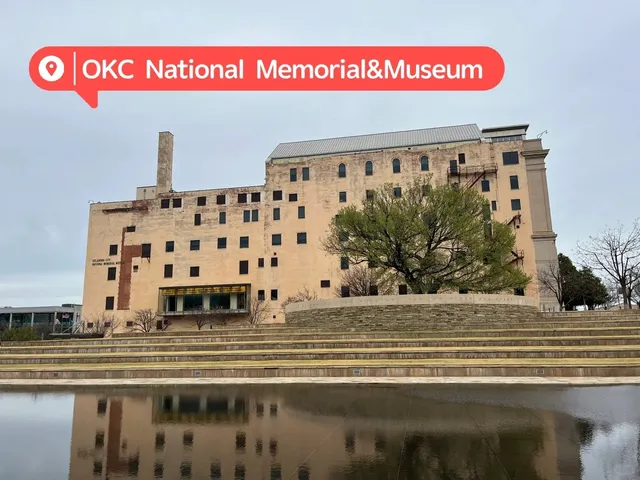
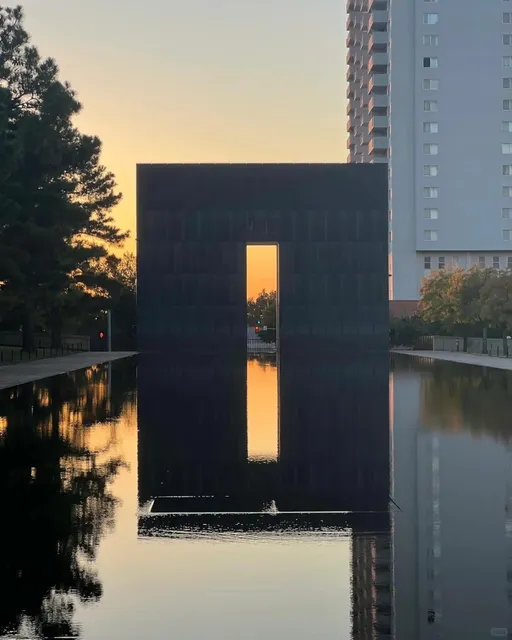
The Oklahoma City National Memorial is a memorial site in Oklahoma City, Oklahoma, United States, that honors the victims, survivors, rescuers, and all who were affected by the Oklahoma City bombing on April 19, 1995.
Cultural
Accessibility
Family friendly
attractions: Alfred P. Murrah Federal Building, Saint Joseph Old Cathedral, St Paul's Episcopal Cathedral, Oklahoma City Museum of Art, Baker Street Escapes, OKC Underground, Oklahoma Museum of Telephone History, Cheyenne Sky Studio, Factory Obscura: Mix-Tape, Plenty Mercantile & The Venue at PLENTY, restaurants: JK by Chef King, Kitchen No. 324, Tamashii Ramen House, Red PrimeSteak, Junction Coffee, Elemental Coffee, Nonesuch, All City Dogs, Thai Kitchen, Hideaway Pizza, local businesses: United States Postal Service, APMEX, The Regency, William & Lauren Custom Clothier, udånder - Downtown, OKCMOA Museum Store, Department of Environmental Quality, Good Earth Rocks Gallery, Legends Barber Studio, 120 N Robinson Ave
 Learn more insights from Wanderboat AI.
Phone
(405) 235-3313
Website
memorialmuseum.com
Open hoursSee all hours
Sat9 AM - 5 PMClosed
Plan your stay

Pet-friendly Hotels in Oklahoma City
Find a cozy hotel nearby and make it a full experience.

Affordable Hotels in Oklahoma City
Find a cozy hotel nearby and make it a full experience.

The Coolest Hotels You Haven't Heard Of (Yet)
Find a cozy hotel nearby and make it a full experience.

Trending Stays Worth the Hype in Oklahoma City
Find a cozy hotel nearby and make it a full experience.
Reviews
Live events

All Your Friends: The Indie Party at 89th Street
Sat, Jan 31 • 7:00 PM
8911 North Western Avenue Oklahoma City, OK 73114
View details

St. Olaf Choir at St. Paul’s Cathedral (Oklahoma City, OK)
Tue, Feb 3 • 7:30 PM
127 Northwest 7th Street Oklahoma City, OK 73102
View details

USTA Oklahoma Hall of Fame & Awards Luncheon 2026
Sat, Jan 31 • 11:30 AM
2833 Conference Drive Edmond, OK 73034
View details
Nearby attractions of Oklahoma City National Memorial & Museum
Alfred P. Murrah Federal Building
Saint Joseph Old Cathedral
St Paul's Episcopal Cathedral
Oklahoma City Museum of Art
Baker Street Escapes
OKC Underground
Oklahoma Museum of Telephone History
Cheyenne Sky Studio
Factory Obscura: Mix-Tape
Plenty Mercantile & The Venue at PLENTY
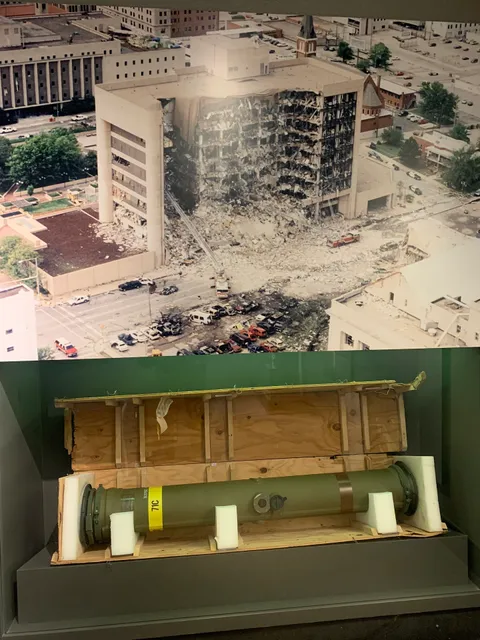
Alfred P. Murrah Federal Building
4.9
(208)
Closed
Click for details
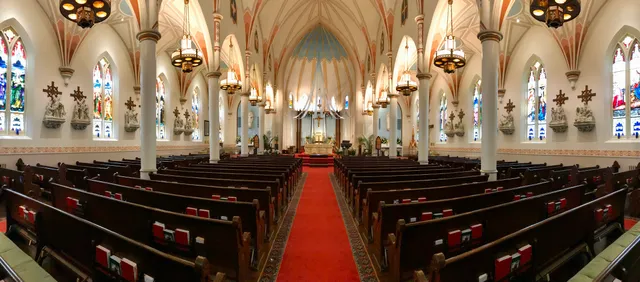
Saint Joseph Old Cathedral
4.8
(198)
Closed
Click for details
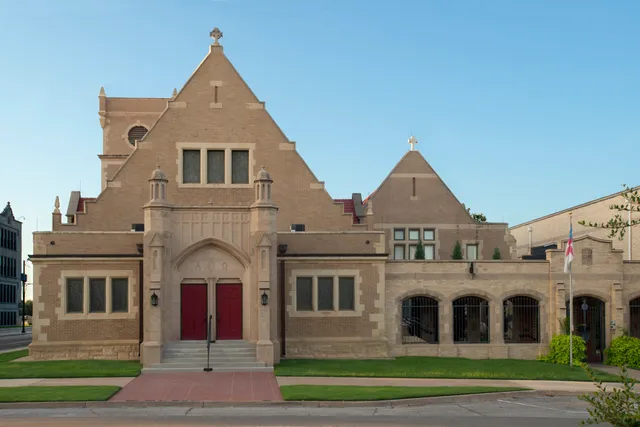
St Paul's Episcopal Cathedral
4.8
(80)
Open until 12:00 AM
Click for details
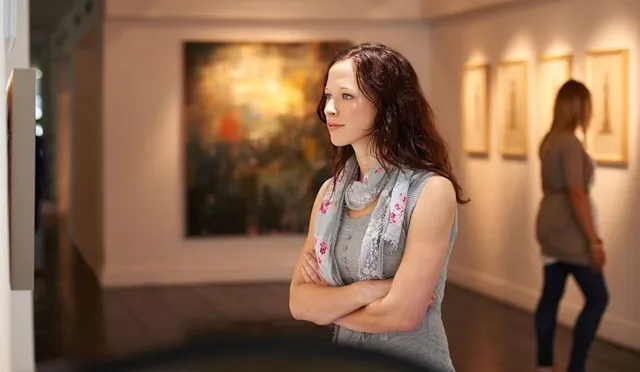
Oklahoma City Museum of Art
4.7
(1.1K)
Closed
Click for details
Nearby restaurants of Oklahoma City National Memorial & Museum
JK by Chef King
Kitchen No. 324
Tamashii Ramen House
Red PrimeSteak
Junction Coffee
Elemental Coffee
Nonesuch
All City Dogs
Thai Kitchen
Hideaway Pizza
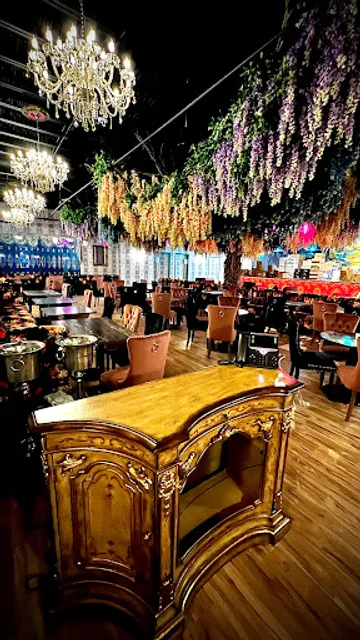
JK by Chef King
4.7
(1.2K)
$$$
Closed
Click for details
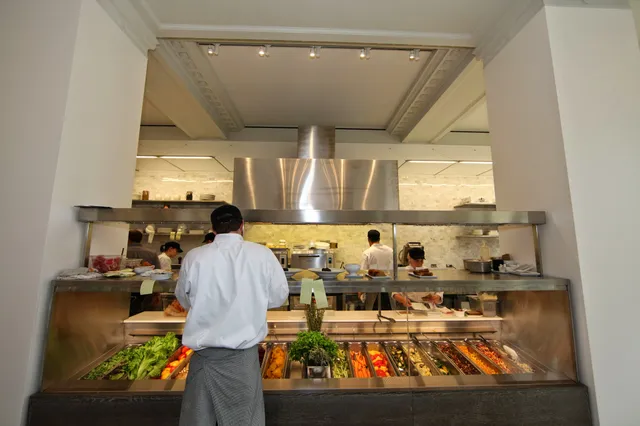
Kitchen No. 324
4.5
(1.3K)
$
Closed
Click for details
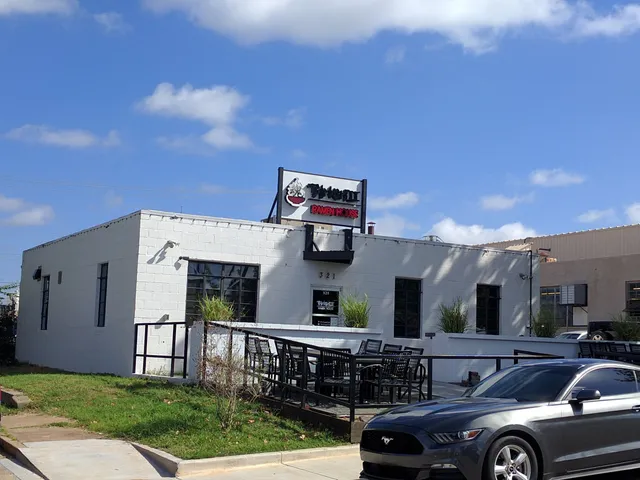
Tamashii Ramen House
4.7
(2.2K)
$
Closed
Click for details
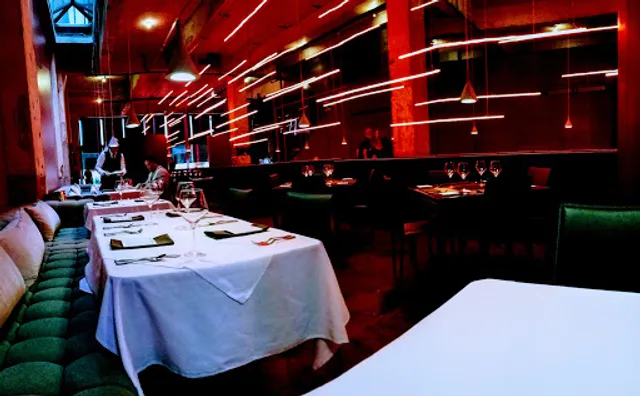
Red PrimeSteak
4.6
(676)
$$$$
Closed
Click for details
Nearby local services of Oklahoma City National Memorial & Museum
United States Postal Service
APMEX
The Regency
William & Lauren Custom Clothier
udånder - Downtown
OKCMOA Museum Store
Department of Environmental Quality
Good Earth Rocks Gallery
Legends Barber Studio
120 N Robinson Ave
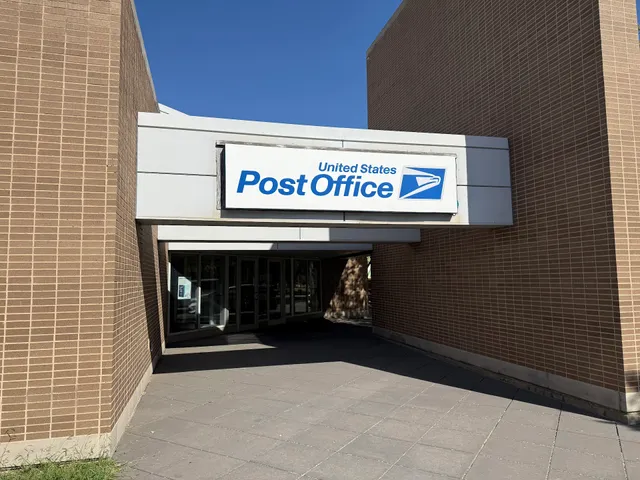
United States Postal Service
3.3
(102)
Click for details
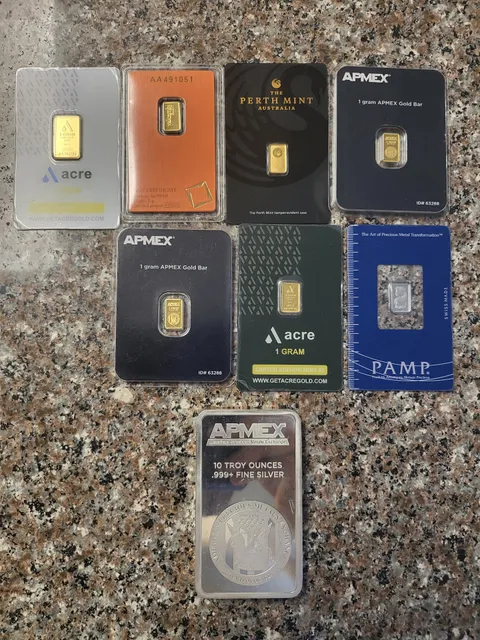
APMEX
4.6
(640)
Click for details
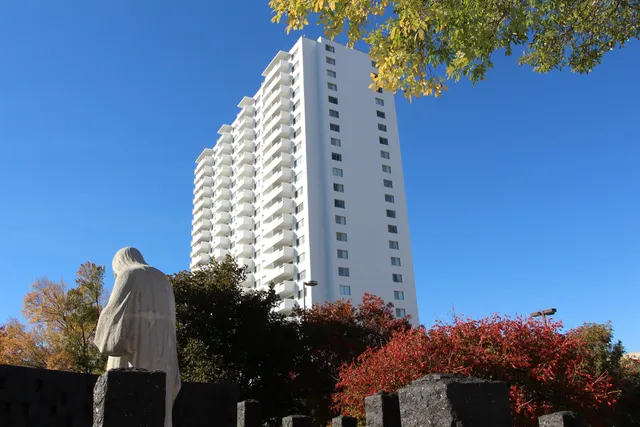
The Regency
3.9
(106)
Click for details
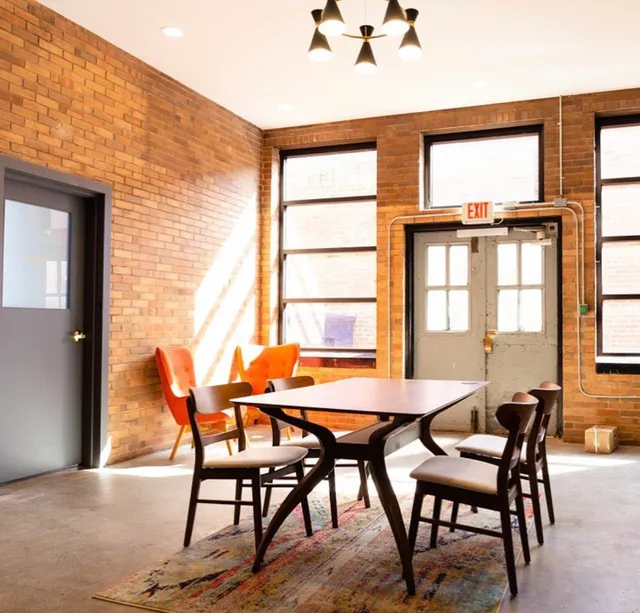
William & Lauren Custom Clothier
4.9
(107)
Click for details


The hit list
Plan your trip with Wanderboat
Welcome to Wanderboat AI, your AI search for local Eats and Fun, designed to help you explore your city and the world with ease.
Powered by Wanderboat AI trip planner.