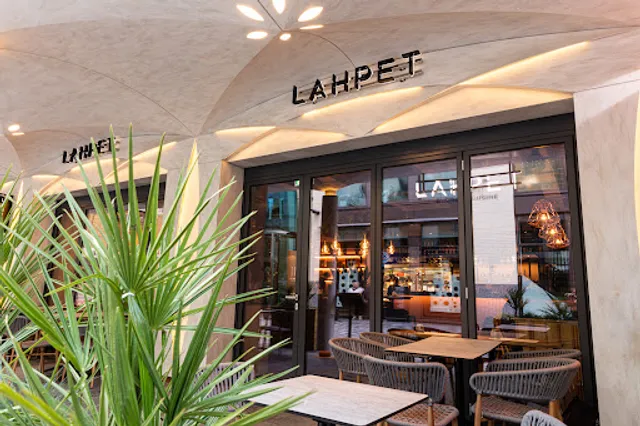
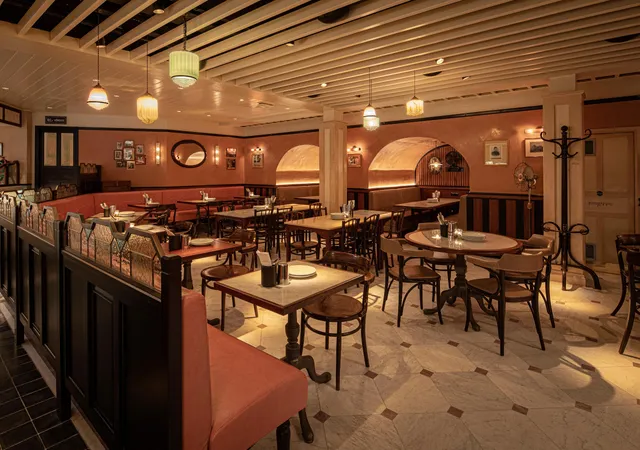
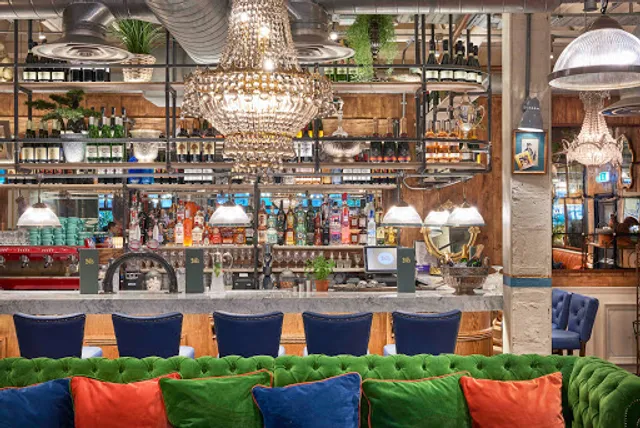
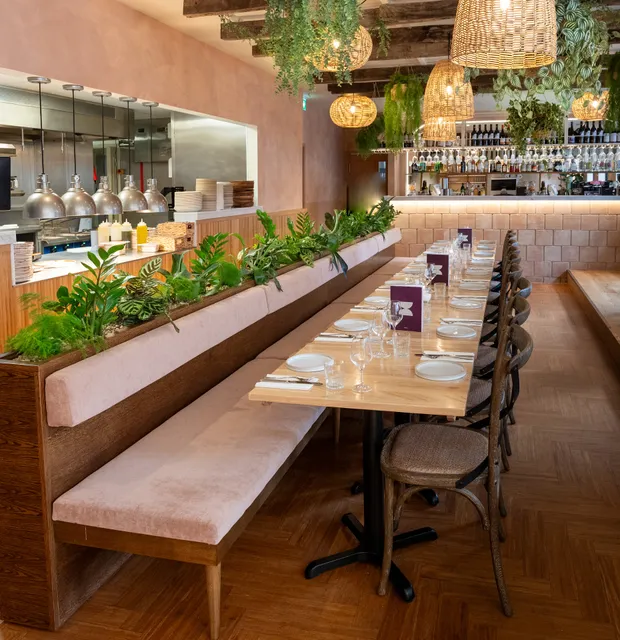
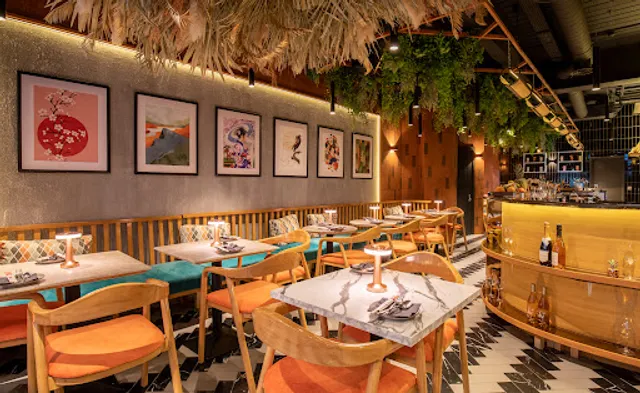
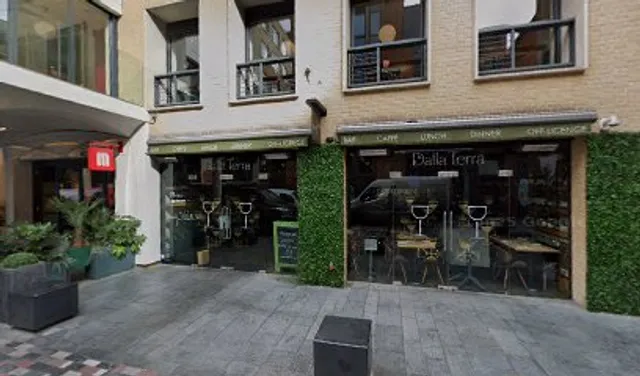
Our first venture into Burmese cuisine at Lahpet West End was an absolute delight. From the moment we stepped inside, we were captivated by the flavors and aromas that filled the air. We decided to embrace the communal dining experience and ordered a variety of small plates to share, and we were not disappointed.
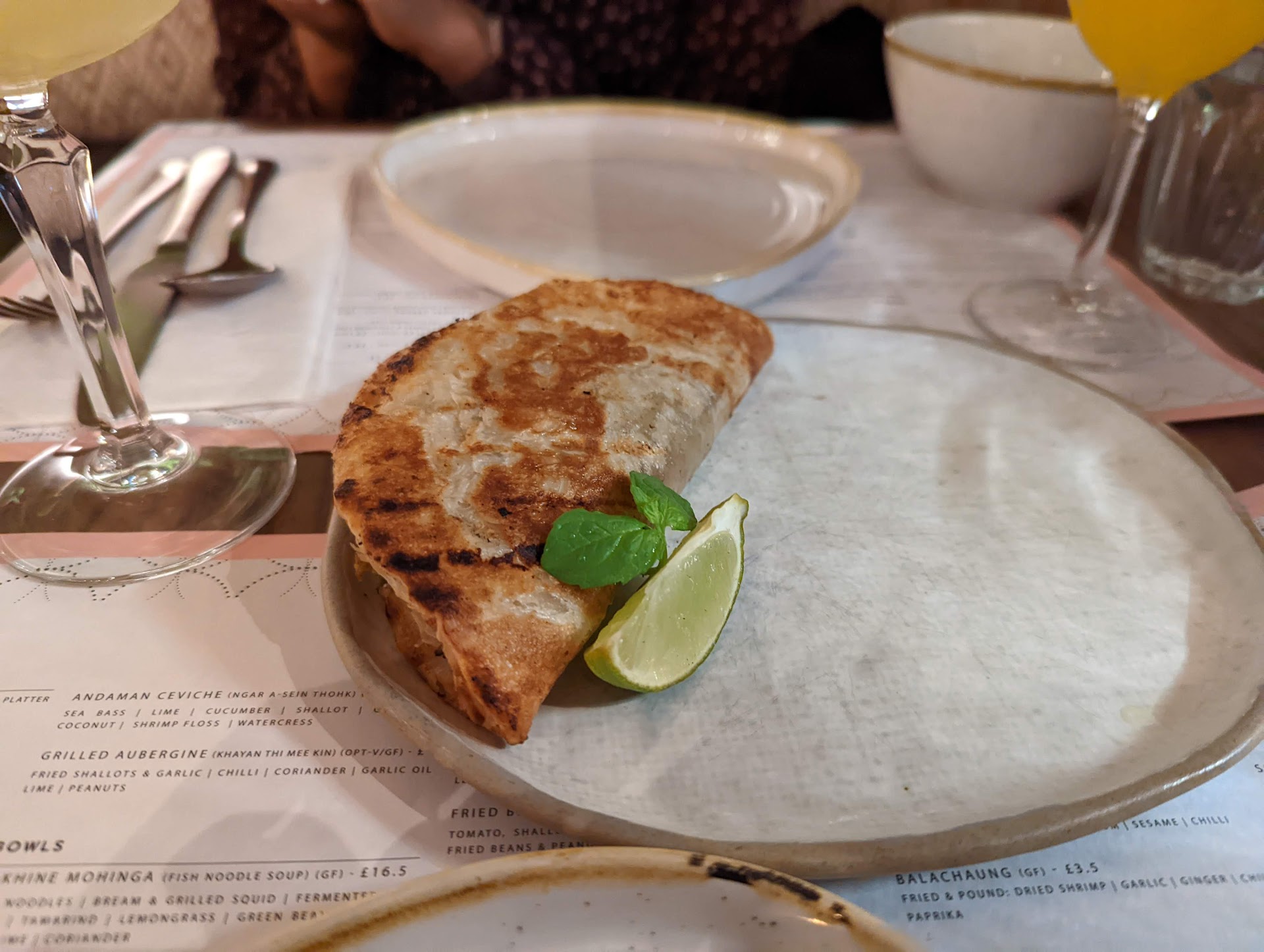
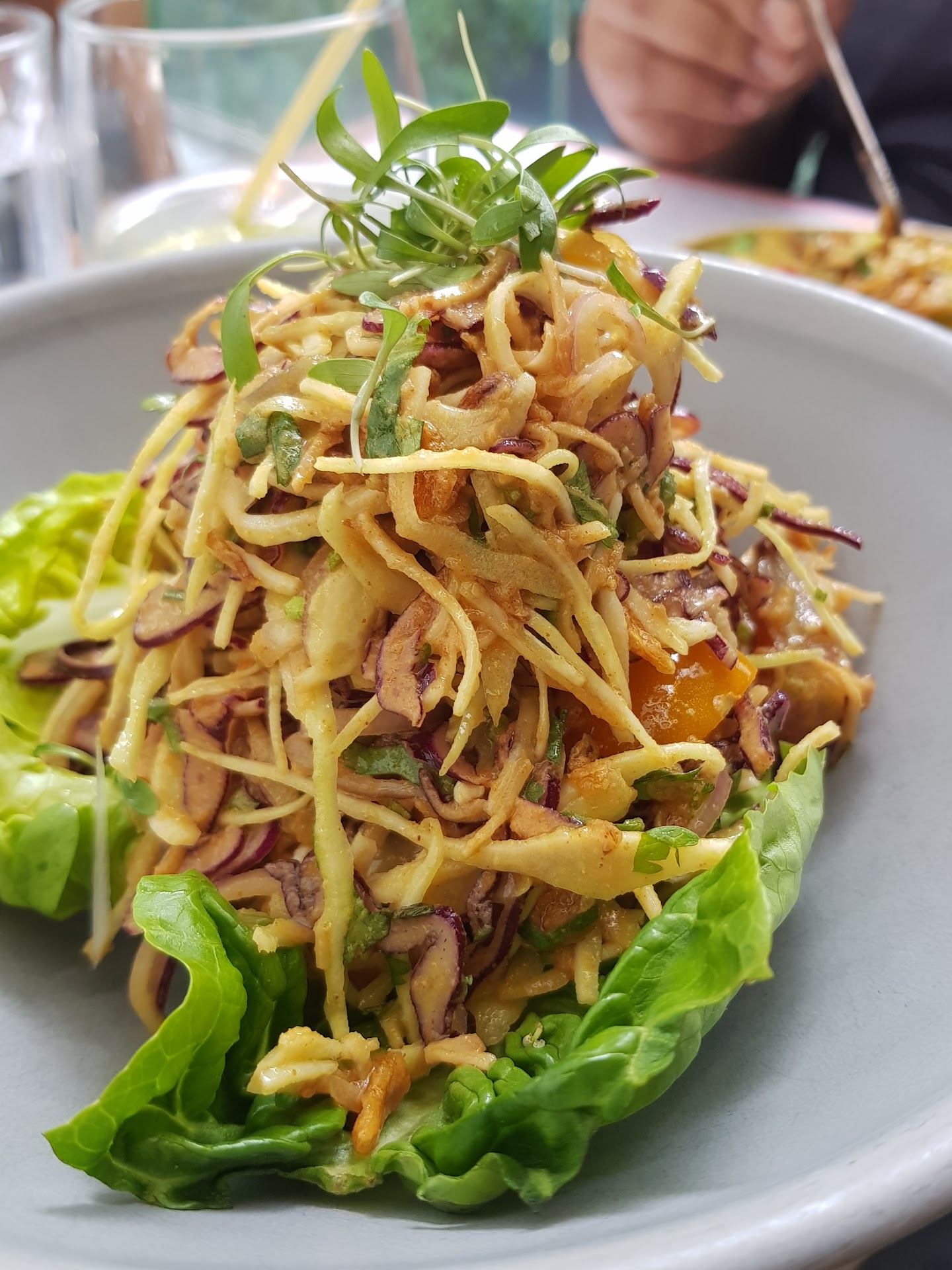
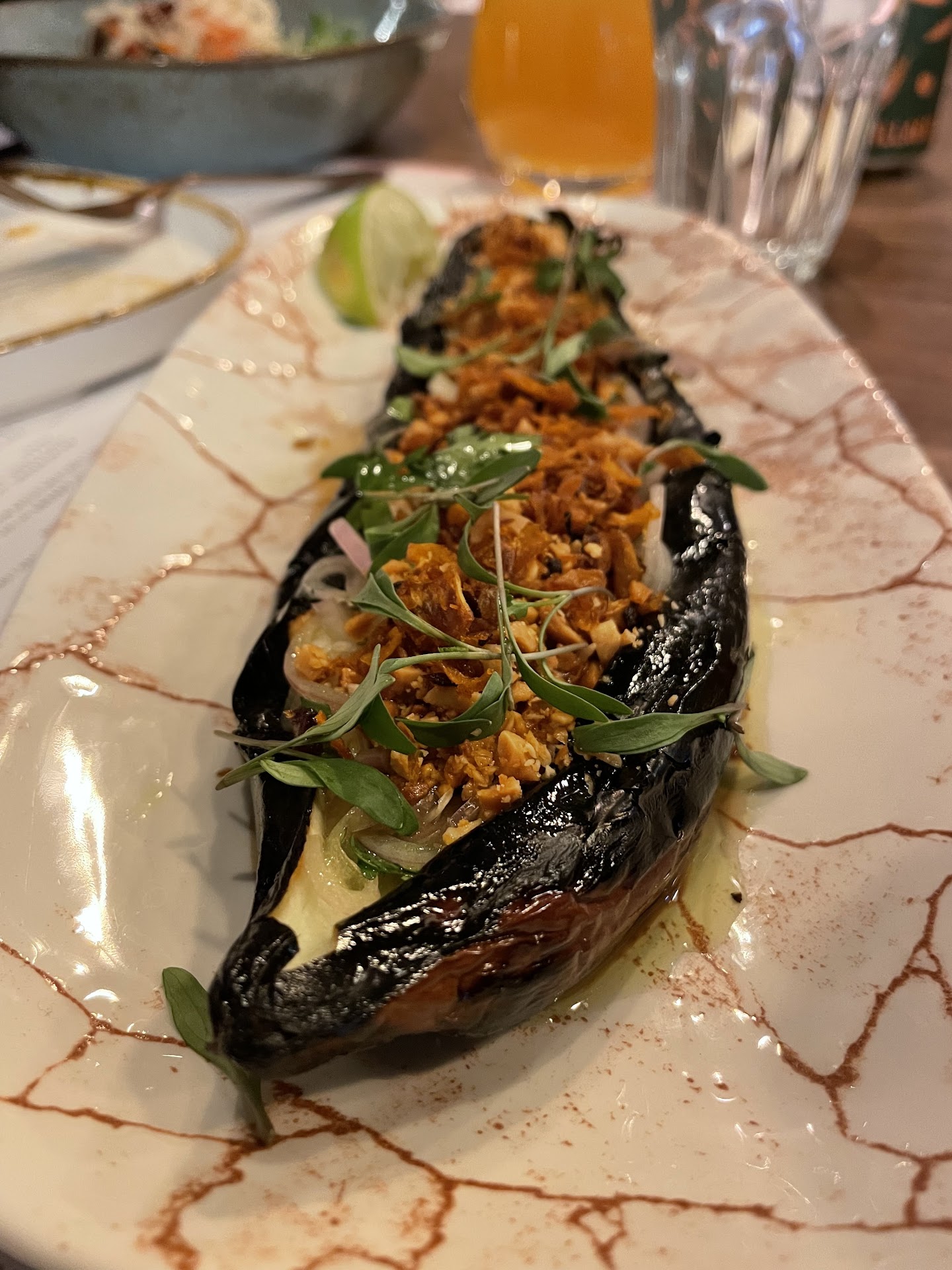
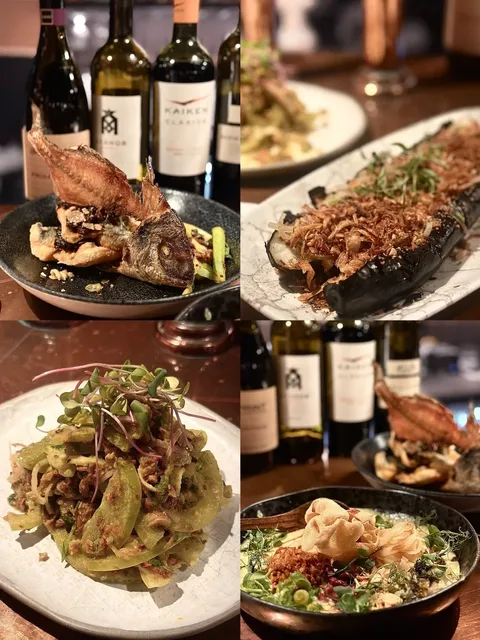
The Fritter Platter was a great way to start our culinary journey. The selection of fritters, each with its own unique filling and crispy exterior, provided a tantalizing introduction to Burmese flavors. The Lahpet Thohk, a traditional tea leaf salad, was a revelation. The combination of fermented tea leaves, nuts, and seeds created a complex and vibrant medley of tastes and textures. The Ginger Salad and Green Tomato Salad were refreshing and tangy, offering a perfect balance to the other dishes. The Yellow Pea Paratha, with its flaky layers and savory pea filling, was a delightful accompaniment to the meal. And the Grilled Aubergine, with its smoky flavor and tender flesh, added a touch of earthiness to the spread.
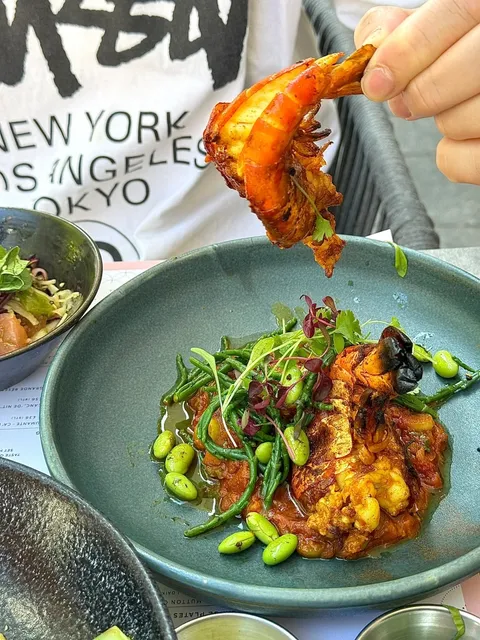
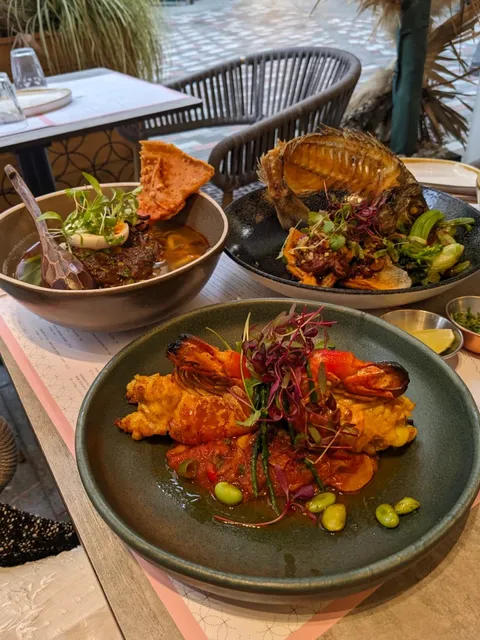
Moving on to the large plates, we indulged in a variety of dishes that showcased the diversity of Burmese cuisine. The Braised Mutton was a true highlight, with the meat cooked to perfection in a rich and aromatic sauce. The Whole Fried Bream was a showstopper, with its crisp skin and succulent flesh. The King Prawn Curry was a symphony of flavors, with the prawns bathing in a luscious and fragrant curry sauce. And the Rakhine Prawn & Squid Salad was a delightful combination of seafood, herbs, and spices, creating a vibrant and zesty dish that left our taste buds dancing.
As we had vegetarian dietary requirements, we were pleased to find options that catered to our needs. The Lentil Chow Chow was a comforting and hearty dish, with lentils cooked to perfection and complemented by a medley of vegetables. But the real star for us was the Tofu Nway. The silky split pea tofu paired with rice noodles created a harmonious blend of textures and flavors that left a lasting impression.
Our dining companions were equally impressed with the deep-fried Whole Sea Bream, which was crispy on the outside and tender on the inside. The Rakhine Prawn & Squid Salad garnered praise for its bold and vibrant combination of seafood and spices.
Overall, our dining experience at Lahpet West End was nothing short of fulfilling and mesmerizing. The flavors, presentation, and attention to detail in each dish were a testament to the culinary expertise and passion of the chefs. We left the restaurant with a newfound appreciation for Burmese cuisine and a desire to explore more of its rich and diverse offerings.
Whether you're a seasoned fan of Burmese food or a curious newcomer, Lahpet West End is a must-visit destination that will leave you enchanted and...
Read moreAfter an initial service hiccup during which our promised outdoor table was inadvertently given to another party of two, things were corrected and we were sat upstairs at an outside table. Overall we enjoyed our visit here. The food had integrity, with flavors rooted in traditional Burmese cuisine, yet adapted to local technique, ingredients and presentation.
Coconut curry noodles were legit and despite my palate needing more saltiness (or fish sauce as it were) toasted chili, and lime, the dish managed to satisfy the two Burmese food pros that Jules and I are.
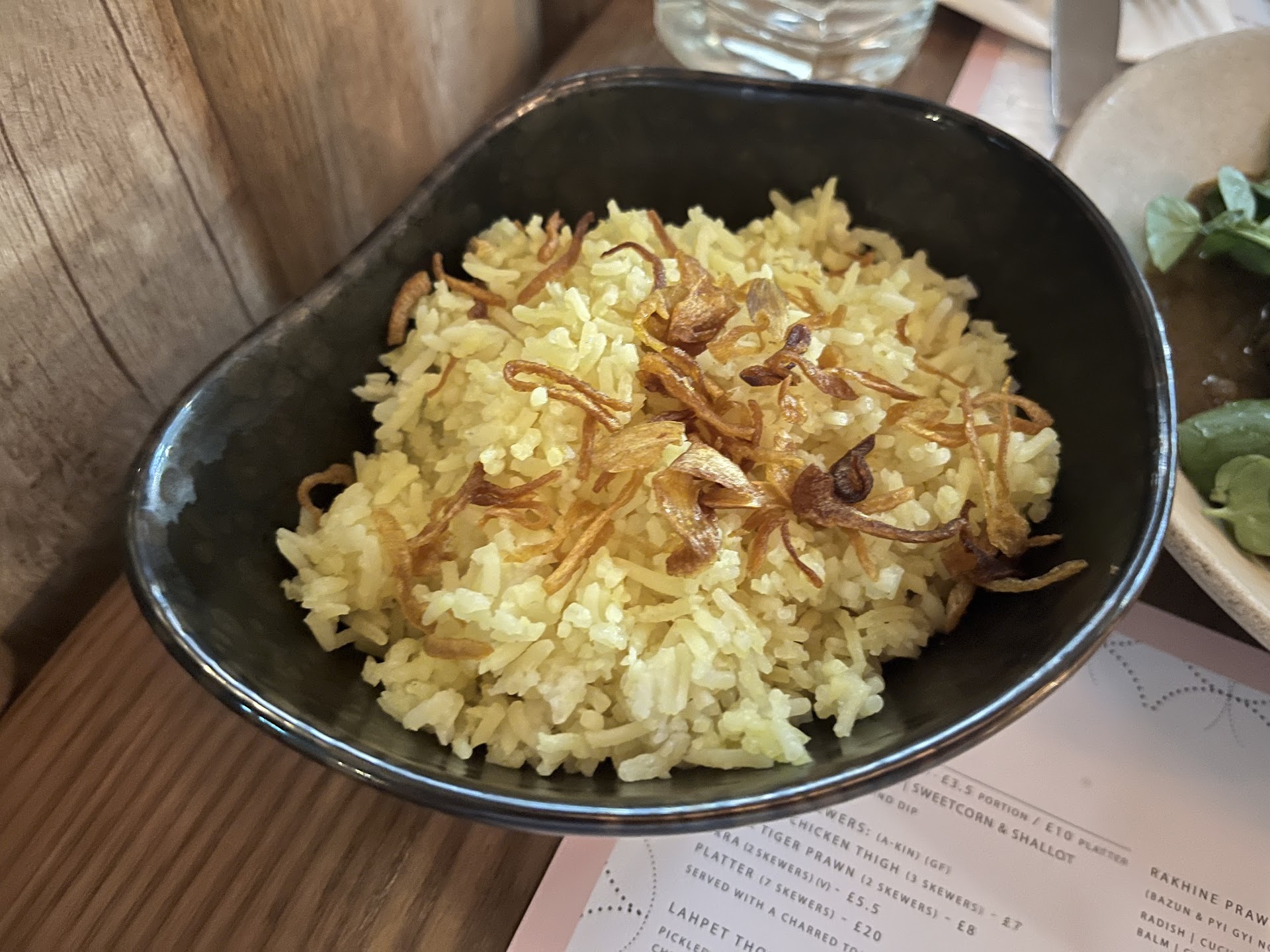
The bream, presented in a manner completely unrecognizable in Burma, was beguiling in both flavor and texture with the crispy whole, bony fish deep fried so expertly that you could munch on the crunchy bone carcass in between bites of the slightly crisply fried fillet, which was adorned with a cooked almost to chutney consistency, like a sweet and spicy Burmese style tomato sauce. It went well with the coconut rice adorned with deeply caramelized pieces of onion or garlic.
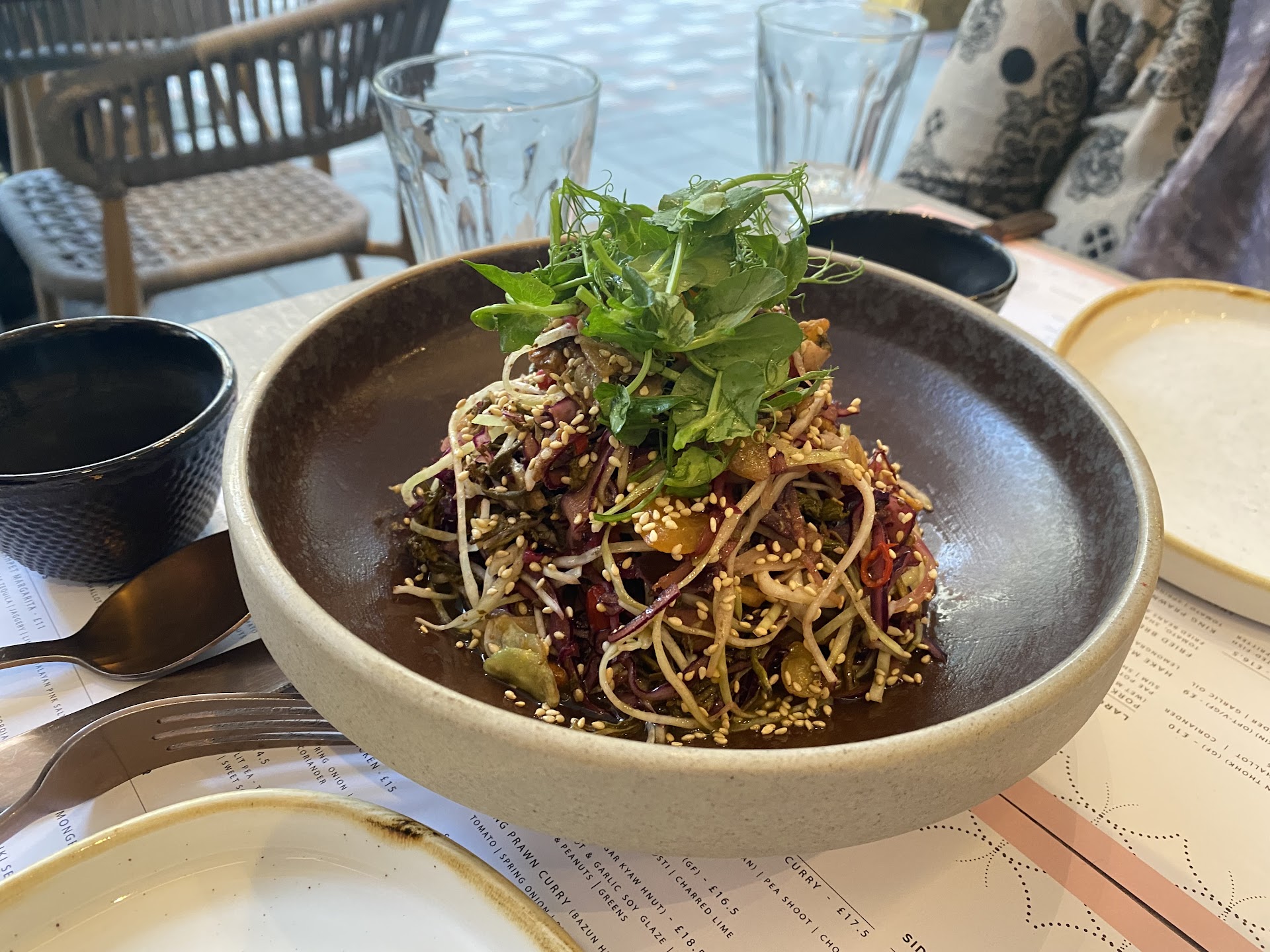
The next dish we shared was the tea leaf salad, the namesake for the restaurant. In Burma, you would have two or three times the amount of fermented tea leaf in this composed salad, but I understand that here in London, it’s rather difficult to come by so the kitchen can provide only a paltry amount which is rather overwhelmed by the two cabbages and tomato. All the crispy fried beans and nuts that accompany the salad make it scrumptious in spite of the minute portion of tea leaf. Kudos to the kitchen for including a judicious amount of sliced raw garlic to the salad, which makes it absolutely authentic.
Last but not least is the absolutely delicious and authentic balachaung, a tiny dish of condiment containing fried and deeply caramelized onion, garlic, dried shrimp, chili, shrimp paste, and all the other magical ingredients that contribute to the spicy, salty, sweet, savory, and slightly funky flavors of this essential side dish that complements so many Burmese dishes and rice.
Our young male server was very soft spoken and almost tentative in manner however, we appreciated his willingness to please.
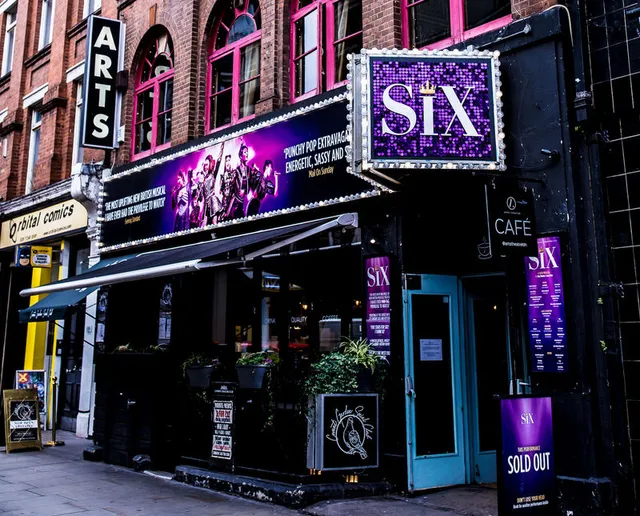
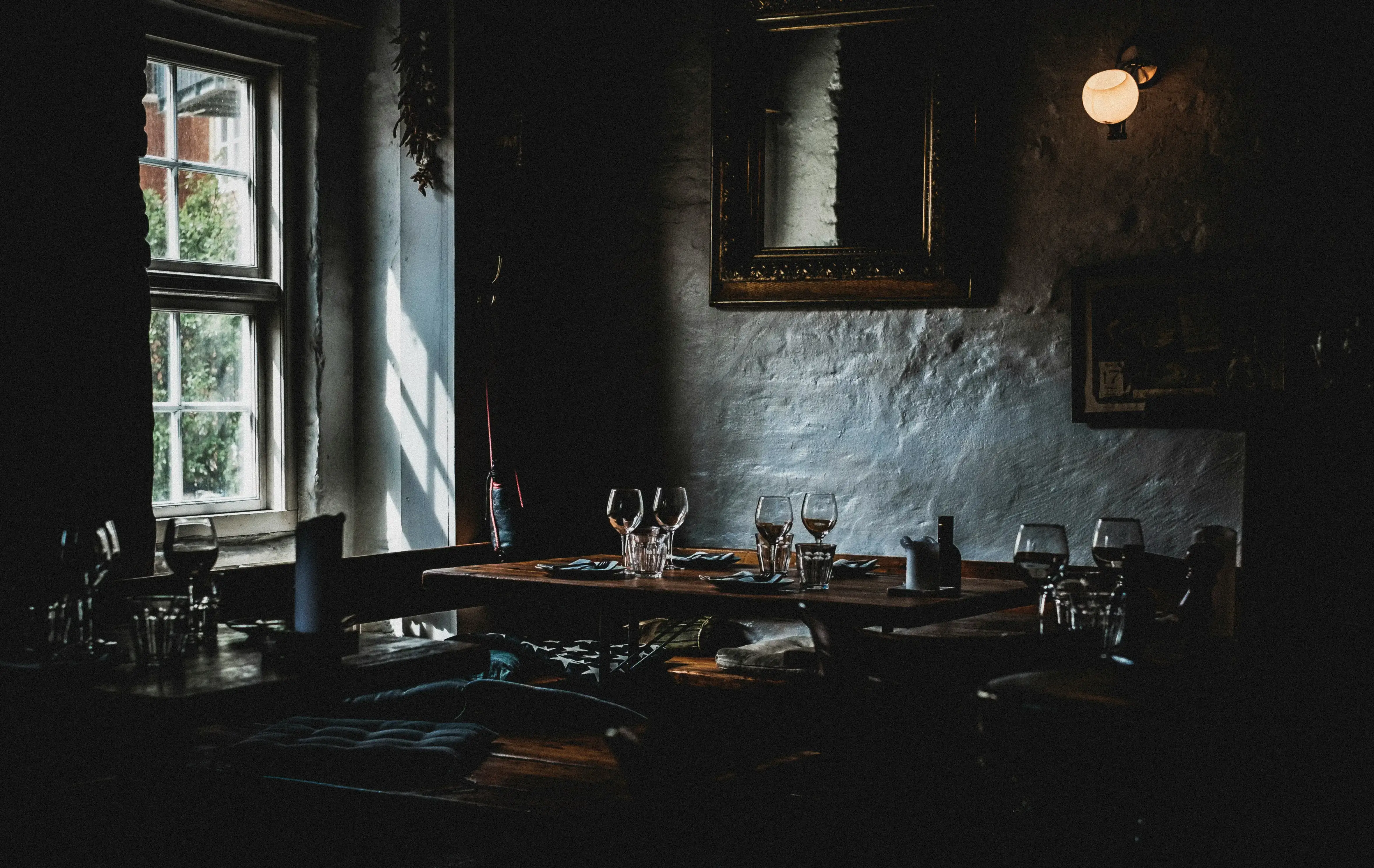
The atmosphere on a Saturday night was bustling and festive and sitting at a table upstairs peering down on all the activity at the restaurants and shops below added to the appeal of our time at Laphet.
I hope to return to this or one of the other Laphet locations on my next trip...
Read moreAs I stepped into Lahpet West End, I felt as if I had been whisked away on a golden riverboat, floating somewhere between Yangon’s bustling streets and London’s West End. The air buzzed with the aroma of spices, tea leaves, and distant culinary secrets yet to be unveiled.
To begin, we ventured into the realm of small plates, starting with the Lahpet Thohk (Tea Leaf Salad)—a dish so bold and vibrant it should come with its own passport. A riot of textures and flavors, the fermented tea leaves delivered a tangy, umami-rich punch, while the crunchy nuts and seeds added a delightful crackle to every bite. If salads had royalty, this one would wear a crown.
The pe parata Paratha (pea paratta) golden, flaky marvel—crisp on the outside, buttery and delicate, giving way to a vibrant filling that hums with the sweetness of peas and a gentle kiss of spice. Each bite is a perfect contrast of textures, the crackle of the pastry melting into the soft, velvety interior, a balance so divine it feels almost conspiratorial.
The Tho Tha Hnut (Braised Mutton Curry) is a slow-cooked masterpiece, rich, deep, and unapologetically bold. The mutton, meltingly tender, surrenders effortlessly to the touch, bathed in a velvety curry that hums with warming spices, slow-roasted aromatics, and a depth of flavor that lingers long after the last bite. Each spoonful carries whispers of smoky sweetness, a gentle heat that builds but never overwhelms, and a complexity that speaks of time, patience, and tradition. Paired with rice or scooped up with flaky paratha, this dish is less a meal and more an experience—one that demands to be savored and, without question, revisited.
The last dish we sampled was the Tofu Nway, a garlicky, creamy noodle delight that was unlike anything I’ve had before. The unique flavor took a moment to get used to, but once we delved in, the rich, velvety sauce clinging to the noodles won us over completely. It was comforting, deeply savory, and a great example of the bold yet balanced flavors that define Burmese cuisine. As a newcomer to this style of food, I was thoroughly impressed—every dish brought something exciting and unexpected. Overall, Lahpet West End delivered a fantastic dining experience, and I’ll definitely be back to explore more...
Read more