Hunger Wall things to do, attractions, restaurants, events info and trip planning
Basic Info
Hunger Wall
Petřínské sady, 150 00 Praha 5-Malá Strana-Praha 1, Czechia
4.5(185)
Open until 12:00 AM
Save
spot
spot
Ratings & Description
Info
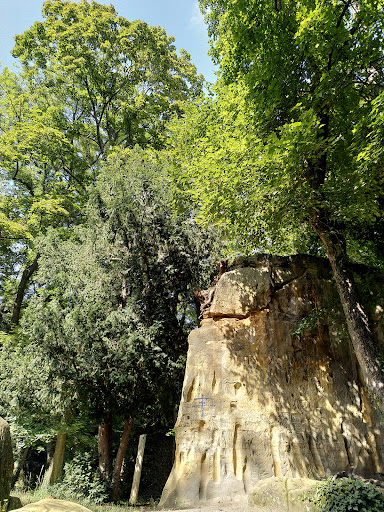
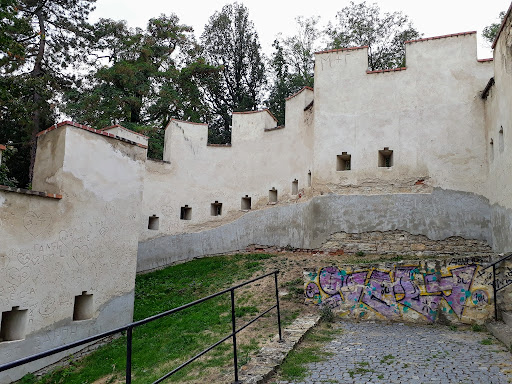
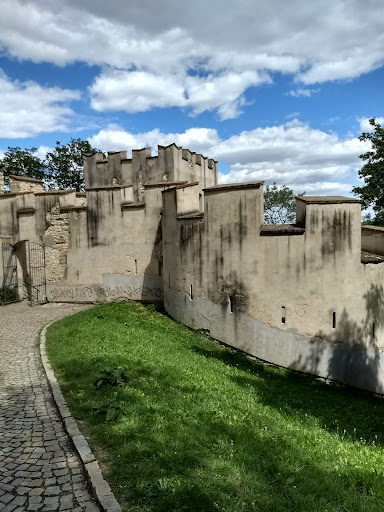
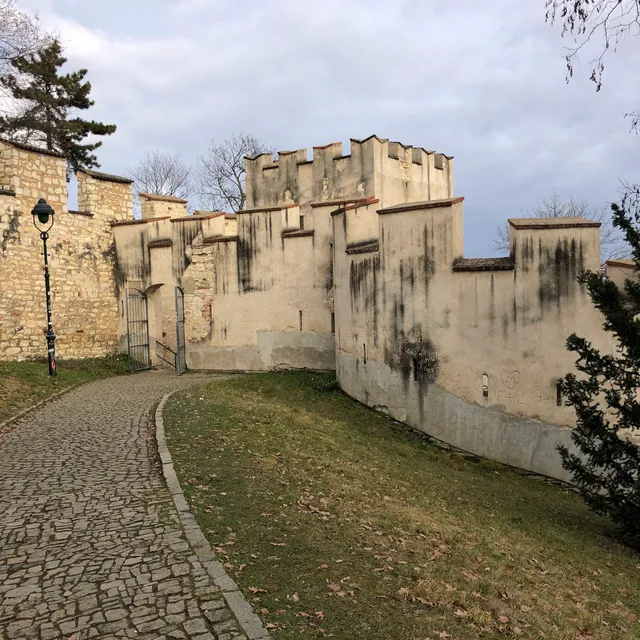
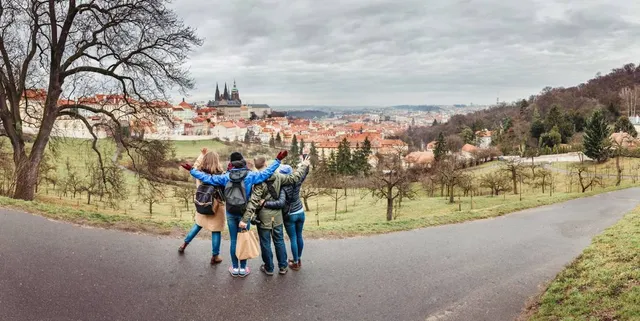
The Hunger Wall is a medieval defensive wall of the Lesser Town of Prague, today's Czech Republic. It was built on Petřín Hill between 1360 and 1362 by order of Charles IV. Marl from quarries on Petřín Hill was used as construction material.
Cultural
Outdoor
Scenic
Family friendly
attractions: Memorial to the Victims of Communism, Petřín Gardens, Vyhlídková terasa (Vyhlídka), Kinsky Garden, Švanda Theater in Smíchov, The Štefánik Observatory, Fall of Time, Petrin Tower, Kampa Park, Church of Our Lady Victorious and The Infant Jesus of Prague, restaurants: NIGHTMARE Prague Horror Bar, artic Bakehouse, Czech Slovak Restaurant, Loki Burgers, Pivnice U Švejků, Hell Smoke BBQ, Memory Restaurant, Restaurant Stará Praha, Atelier Red&Wine restaurant, Restaurace Cloverleaf, local businesses: Angelato, Újezd, Újezd, Rozentuin, Czech Museum of Music, Ellory Café, Petřín, Střelecký Island, Střelecký ostrov 336, Kampa Island
 Learn more insights from Wanderboat AI.
Phone
+420 257 320 112
Website
petrinska-rozhledna.cz
Open hoursSee all hours
ThuOpen 24 hoursOpen
Plan your stay

Pet-friendly Hotels in Prague
Find a cozy hotel nearby and make it a full experience.

Affordable Hotels in Prague
Find a cozy hotel nearby and make it a full experience.

The Coolest Hotels You Haven't Heard Of (Yet)
Find a cozy hotel nearby and make it a full experience.

Trending Stays Worth the Hype in Prague
Find a cozy hotel nearby and make it a full experience.
Reviews
Live events
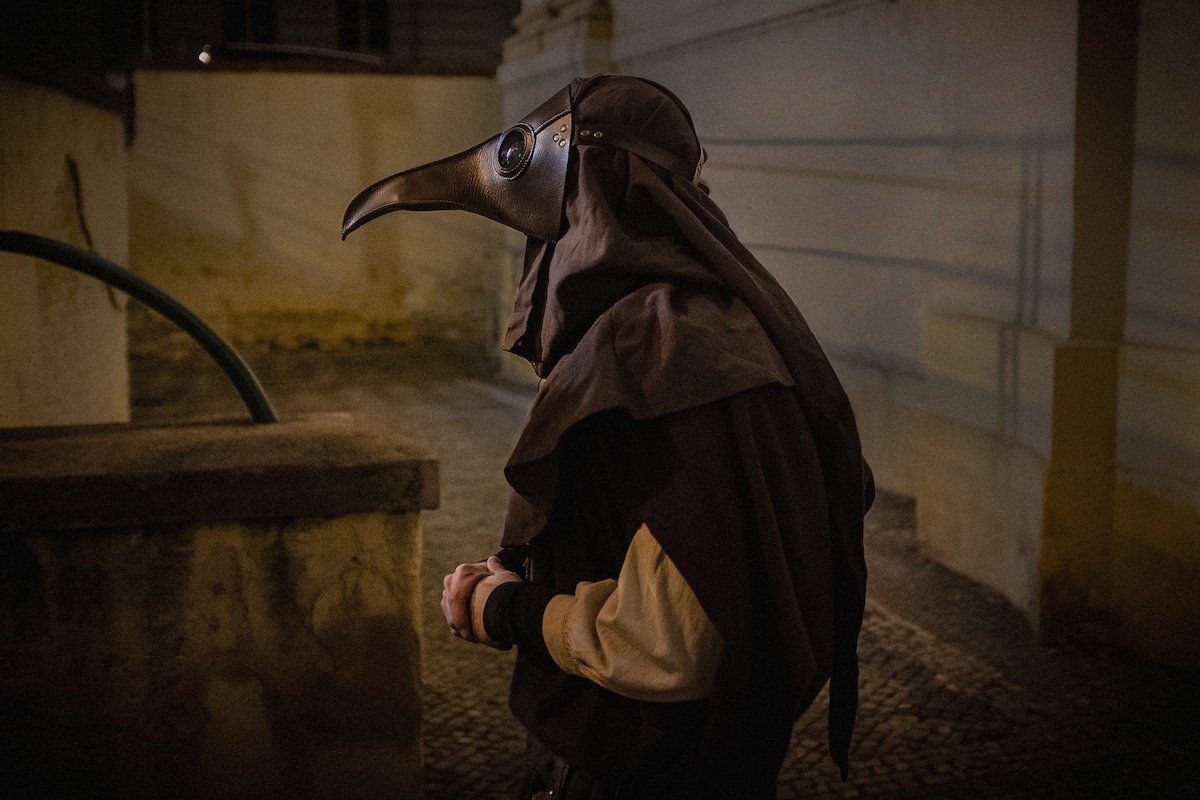
The Plague Doctor of Prague
Sat, Feb 28 • 8:00 PM
110 00, Prague 1, Czechia
View details

One Tour To Rule Them All ✌
Fri, Feb 27 • 10:30 AM
118 00, Prague 1, Czechia
View details
Nearby attractions of Hunger Wall
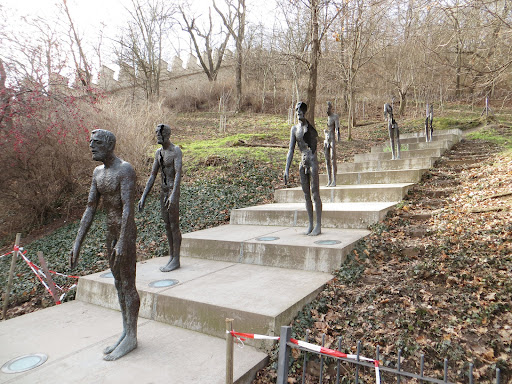
Memorial to the Victims of Communism
Petřín Gardens
Vyhlídková terasa (Vyhlídka)
Kinsky Garden
Švanda Theater in Smíchov
The Štefánik Observatory
Fall of Time
Petrin Tower
Kampa Park
Church of Our Lady Victorious and The Infant Jesus of Prague
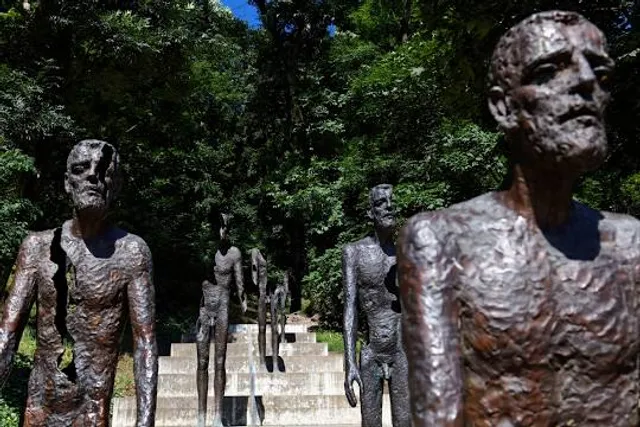
Memorial to the Victims of Communism
4.5
(1.4K)
Open until 12:00 AM
Click for details
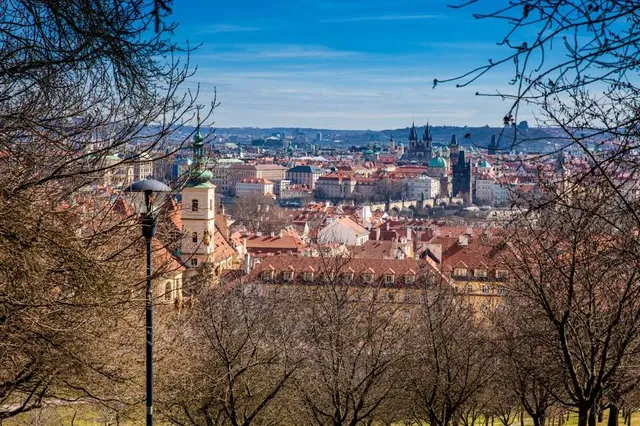
Petřín Gardens
4.6
(9.5K)
Open until 12:00 AM
Click for details
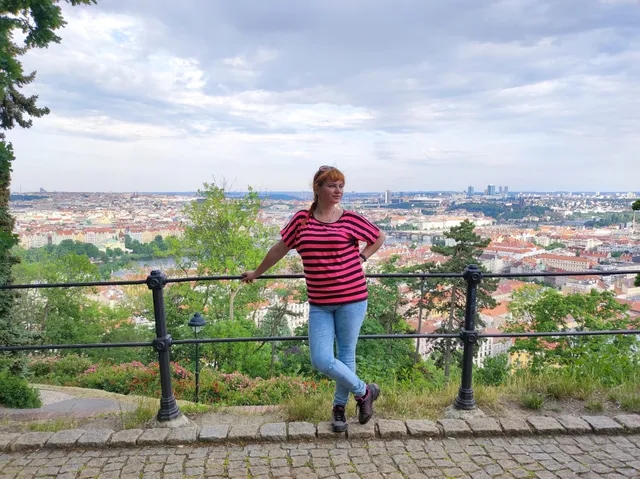
Vyhlídková terasa (Vyhlídka)
4.8
(346)
Open until 12:00 AM
Click for details
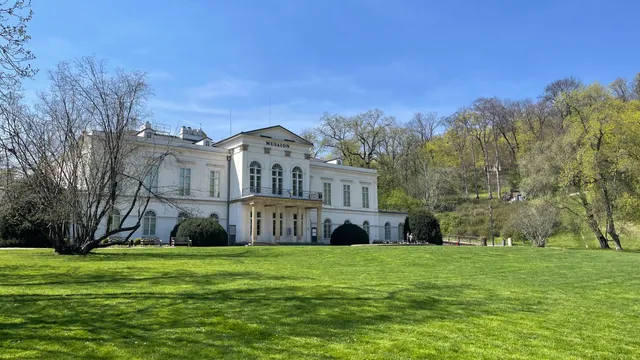
Kinsky Garden
4.7
(3.7K)
Open until 12:00 AM
Click for details
Nearby restaurants of Hunger Wall
NIGHTMARE Prague Horror Bar
artic Bakehouse
Czech Slovak Restaurant
Loki Burgers
Pivnice U Švejků
Hell Smoke BBQ
Memory Restaurant
Restaurant Stará Praha
Atelier Red&Wine restaurant
Restaurace Cloverleaf
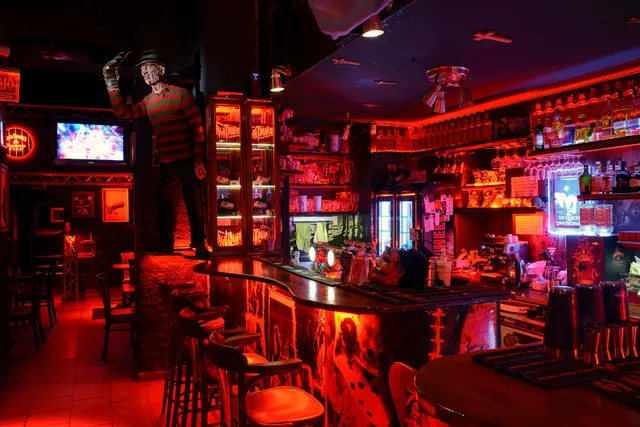
NIGHTMARE Prague Horror Bar
4.6
(1.4K)
Closed
Click for details
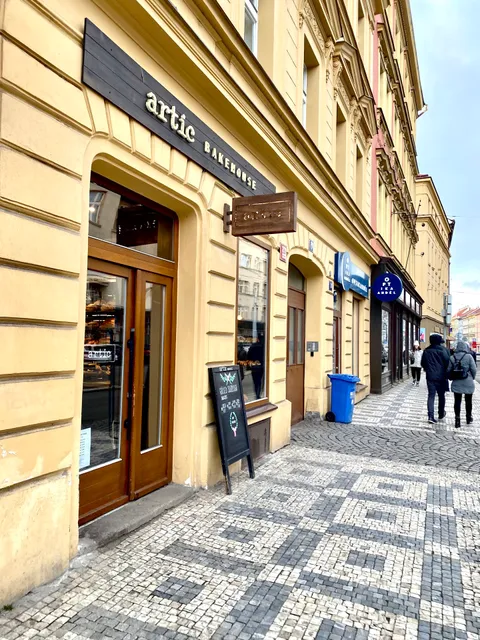
artic Bakehouse
4.7
(891)
Open until 7:30 PM
Click for details
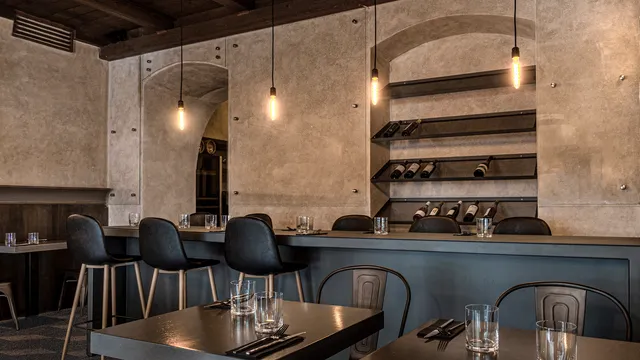
Czech Slovak Restaurant
4.7
(1.1K)
$$
Closed
Click for details

Loki Burgers
4.6
(1.0K)
Click for details
Nearby local services of Hunger Wall
Angelato
Újezd
Újezd
Rozentuin
Czech Museum of Music
Ellory Café
Petřín
Střelecký Island
Střelecký ostrov 336
Kampa Island
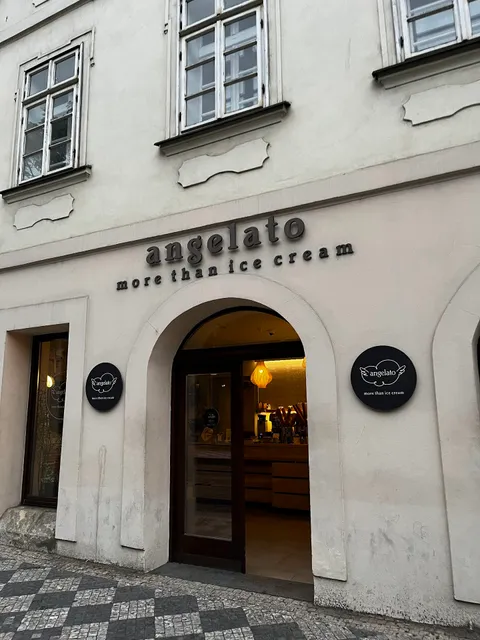
Angelato
4.7
(1.5K)
Click for details
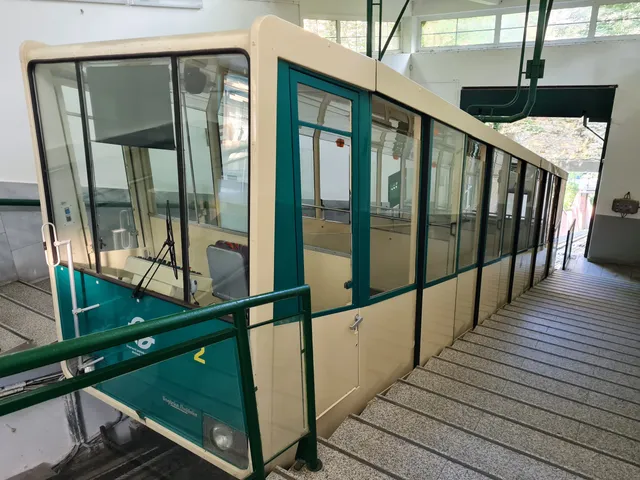
Újezd
3.7
(257)
Click for details
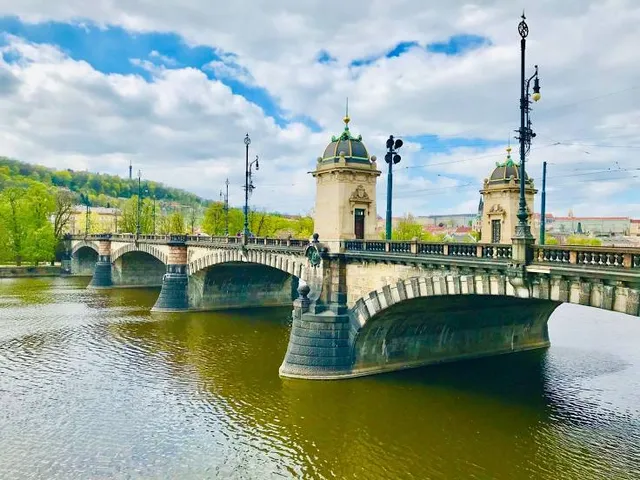
Újezd
4.6
(70)
Click for details
Rozentuin
4.7
(117)
Click for details