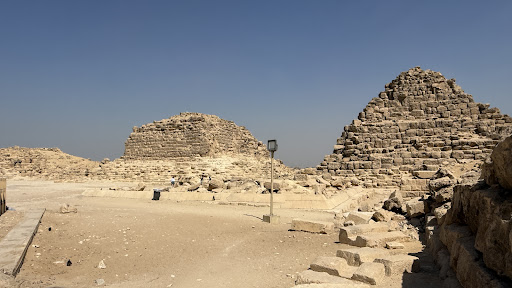
Pyramid Of Queen Meritetis I things to do, attractions, restaurants, events info and trip planning
Basic Info
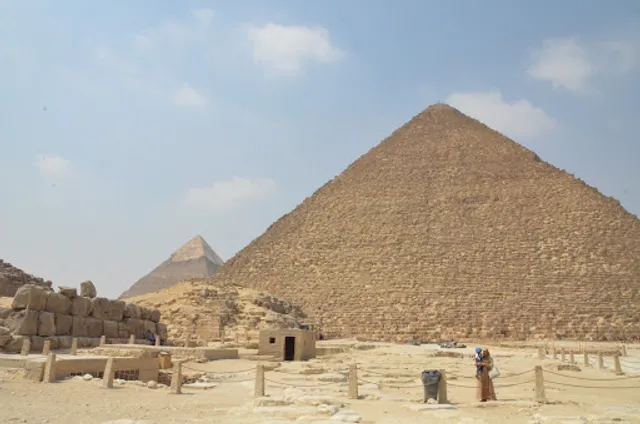
Pyramid Of Queen Meritetis I
X4HP+8F9, Khofo, Nazlet El-Semman, Al Haram, Giza Governorate 3512201, Egypt
4.6(41)
Open 24 hours
Save
spot
spot
Ratings & Description
Info
Cultural
Scenic
attractions: The Great Pyramid of Giza, Giza Necropolis, Great Sphinx of Giza, Pyramid of Hetepheres I, Pyramid of Queen Henutsen, Mortuary Temple of Khufu, Tomb of Meresankh III, الاهرامات الثلاثة, Giza Eastern Cemetery, Valley Temple of Khafre, restaurants: Restaurant Pyramids, Rooftop 7000, Abou Shakra Restaurants, Comfort Pyramids Café & Restaurant, Roof 207 Restaurant & Cafe, Sunshine Restaurant & Cafe, Tree Lounge Pyramids Branch, Nino Sandwich Shop, Egypt pyramids cafe, heaven lounge & rooftop view, local businesses: Pyramid of Queen Henutsen (G1-c), Pyramid of Khufu, Giza Pyramids Walking Tour, الصوت والضوء, 3 Pyramids View Inn., Nefertari Papyrus Museum, Trip on the pyramid, Golden Light Sayed Bazaar 1 & 2, Hotel Pyramids of Giza, Egypt Tailor Made
 Learn more insights from Wanderboat AI.
Plan your stay

Pet-friendly Hotels in Giza
Find a cozy hotel nearby and make it a full experience.

Affordable Hotels in Giza
Find a cozy hotel nearby and make it a full experience.

The Coolest Hotels You Haven't Heard Of (Yet)
Find a cozy hotel nearby and make it a full experience.

Trending Stays Worth the Hype in Giza
Find a cozy hotel nearby and make it a full experience.
Reviews
Live events
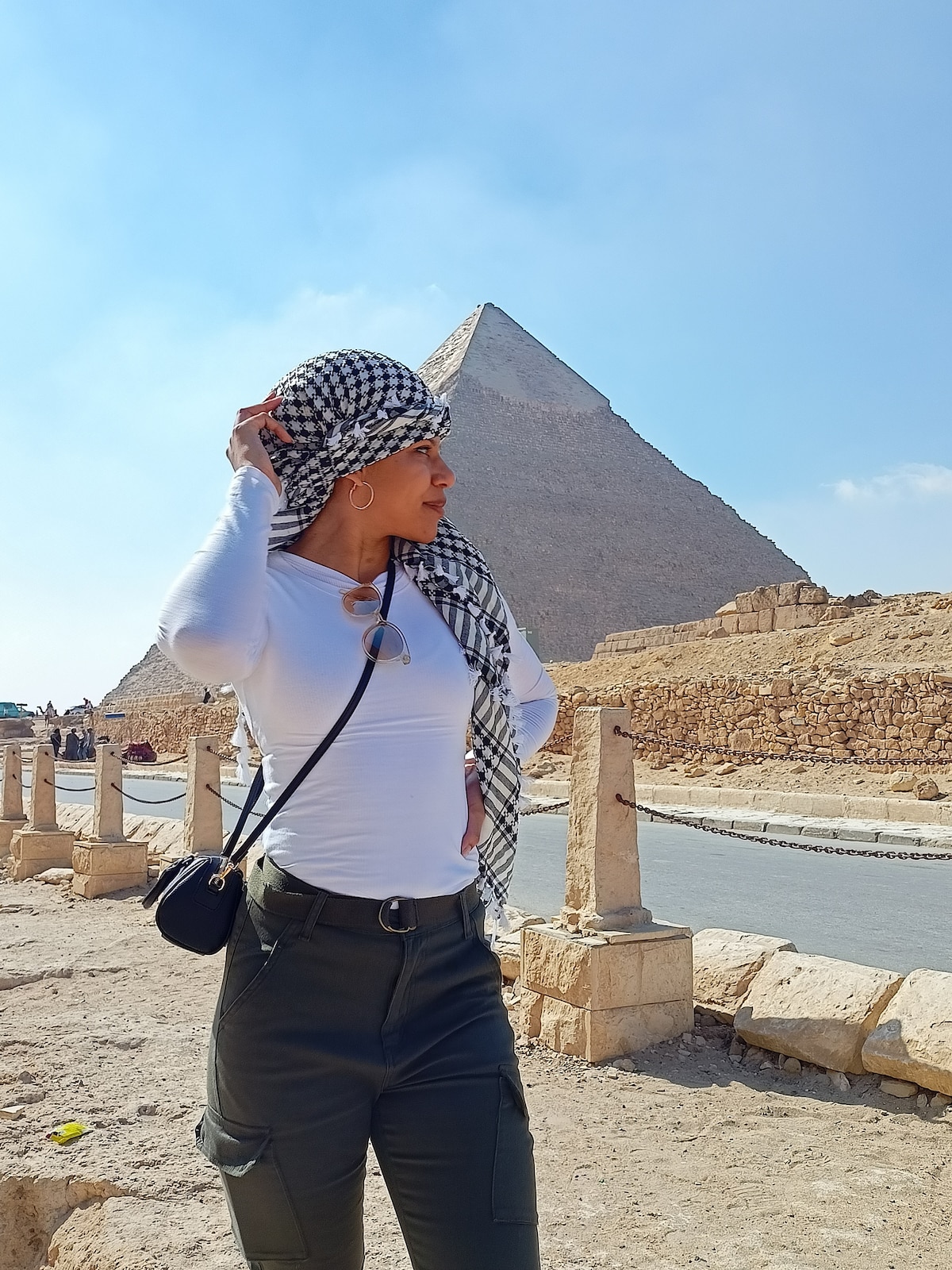
Private tour to Giza Pyramids, Sphinx, ATVs& Lunch
Fri, Feb 13 • 8:00 AM
Qasr Ad Dobarah, Cairo Governorate, 11512, Egypt
View details

Local Cairo Walking & Food Tour
Thu, Feb 12 • 5:00 PM
Qasr Ad Dobarah, Cairo Governorate, 11562, Egypt
View details
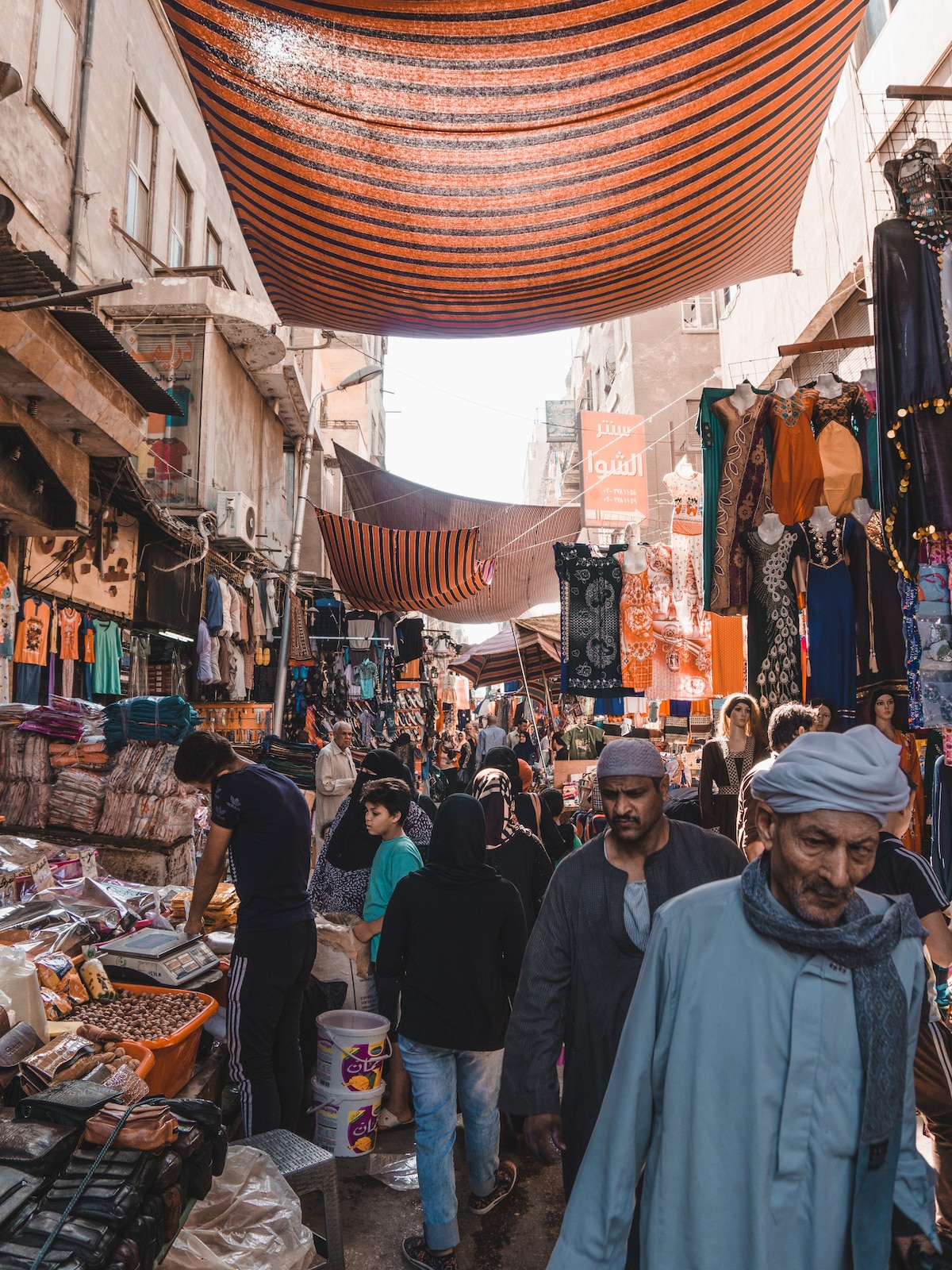
Engage with Egyptian life & Bazzar
Thu, Feb 12 • 5:00 PM
As Sawabi, Cairo Governorate, 4331216, Egypt
View details
Nearby attractions of Pyramid Of Queen Meritetis I
The Great Pyramid of Giza
Giza Necropolis
Great Sphinx of Giza
Pyramid of Hetepheres I
Pyramid of Queen Henutsen
Mortuary Temple of Khufu
Tomb of Meresankh III
الاهرامات الثلاثة
Giza Eastern Cemetery
Valley Temple of Khafre
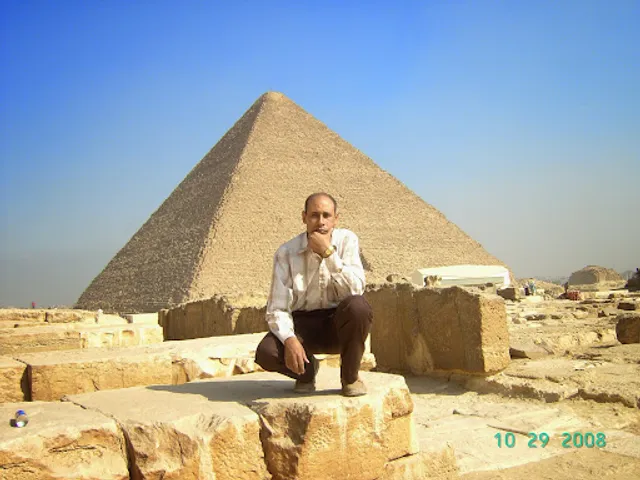
The Great Pyramid of Giza
4.7
(11.1K)
Closed
Click for details
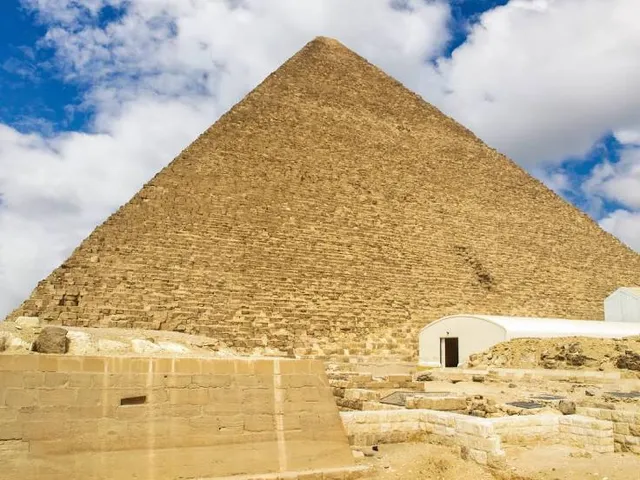
Giza Necropolis
4.6
(37K)
Closed
Click for details
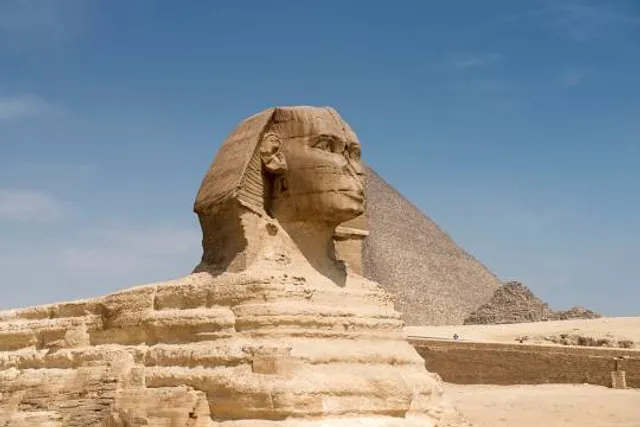
Great Sphinx of Giza
4.7
(9.4K)
Closed
Click for details
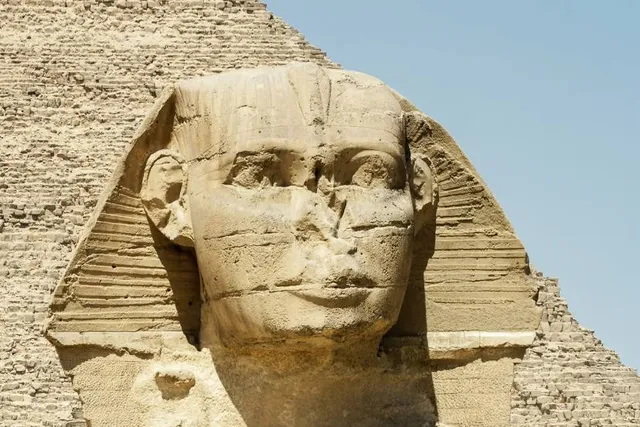
Pyramid of Hetepheres I
4.5
(106)
Open until 12:00 AM
Click for details
Nearby restaurants of Pyramid Of Queen Meritetis I
Restaurant Pyramids
Rooftop 7000
Abou Shakra Restaurants
Comfort Pyramids Café & Restaurant
Roof 207 Restaurant & Cafe
Sunshine Restaurant & Cafe
Tree Lounge Pyramids Branch
Nino Sandwich Shop
Egypt pyramids cafe
heaven lounge & rooftop view
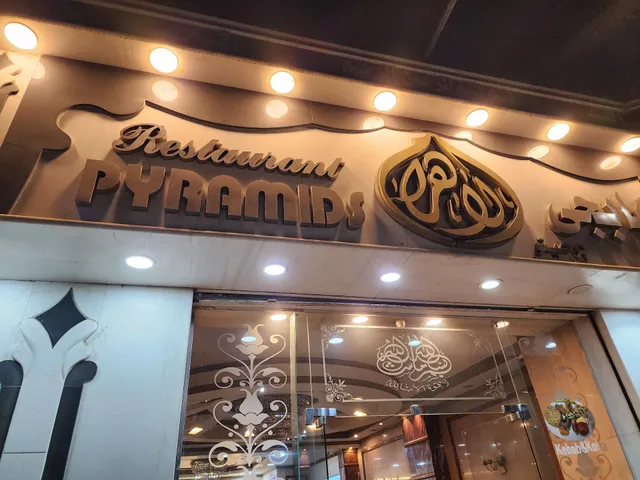
Restaurant Pyramids
4.3
(873)
Open until 3:00 AM
Click for details
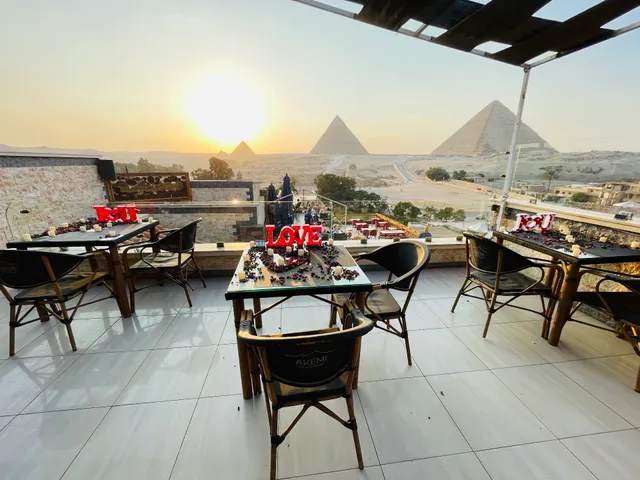
Rooftop 7000
4.5
(1.5K)
Open until 11:00 PM
Click for details
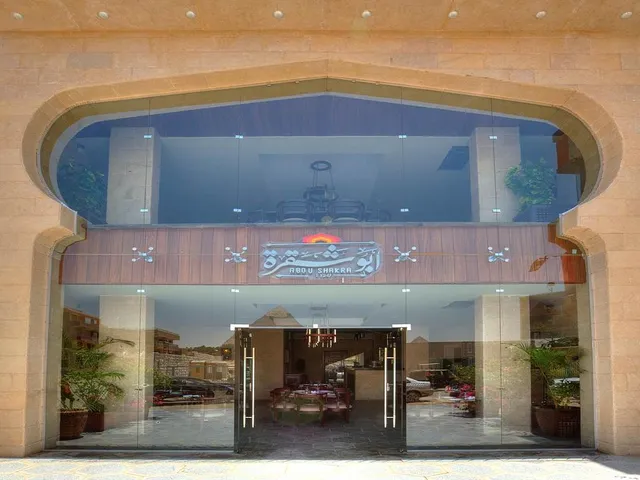
Abou Shakra Restaurants
3.7
(484)
Closed
Click for details
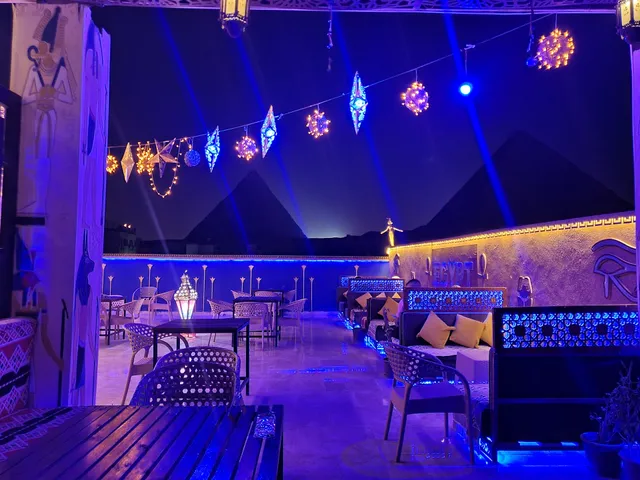
Comfort Pyramids Café & Restaurant
3.7
(92)
$$
Open until 12:00 AM
Click for details
Nearby local services of Pyramid Of Queen Meritetis I
Pyramid of Queen Henutsen (G1-c)
Pyramid of Khufu
Giza Pyramids Walking Tour
الصوت والضوء
3 Pyramids View Inn.
Nefertari Papyrus Museum
Trip on the pyramid
Golden Light Sayed Bazaar 1 & 2
Hotel Pyramids of Giza
Egypt Tailor Made
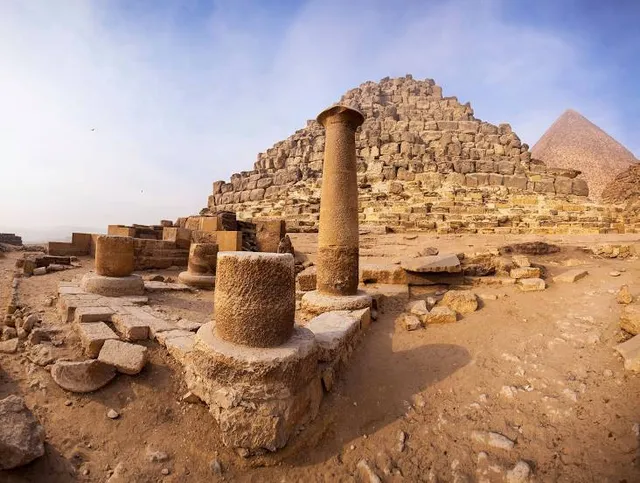
Pyramid of Queen Henutsen (G1-c)
4.4
(17)
Click for details
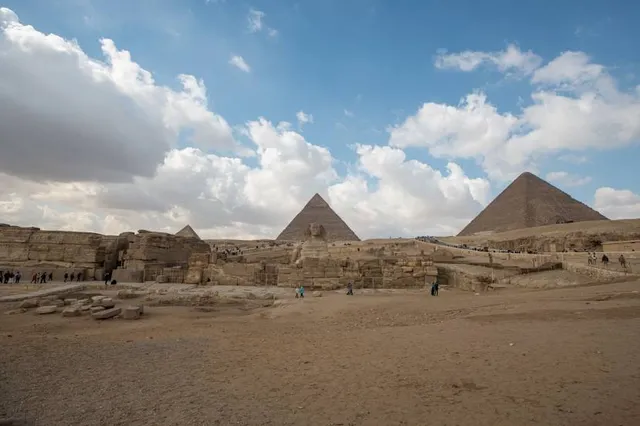
Pyramid of Khufu
4.7
(85)
Click for details
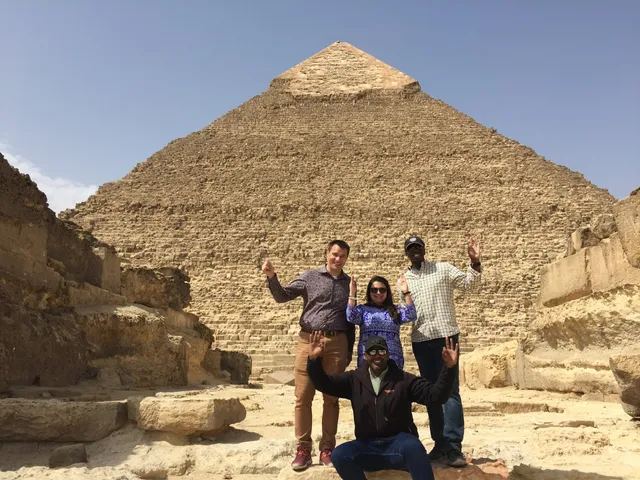
Giza Pyramids Walking Tour
5.0
(77)
Click for details
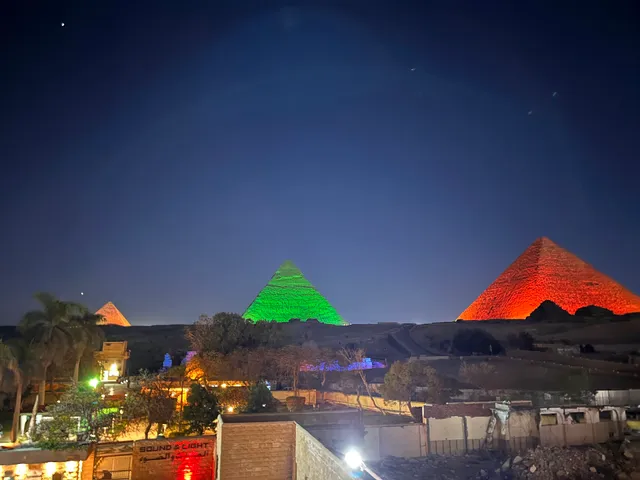
الصوت والضوء
3.7
(136)
Click for details