Museo Del Monastério De Santa Catalina De Siena things to do, attractions, restaurants, events info and trip planning
Basic Info
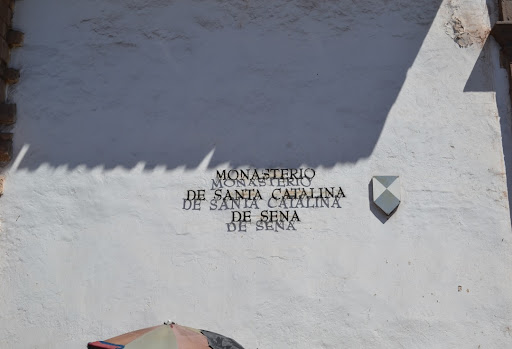
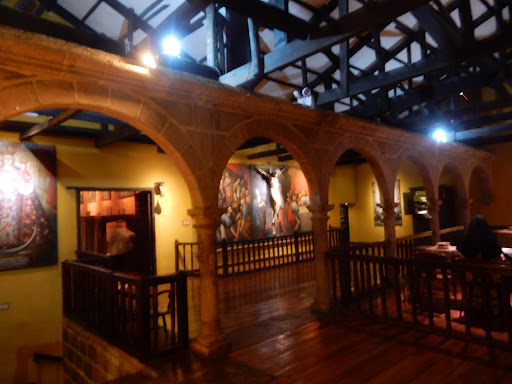
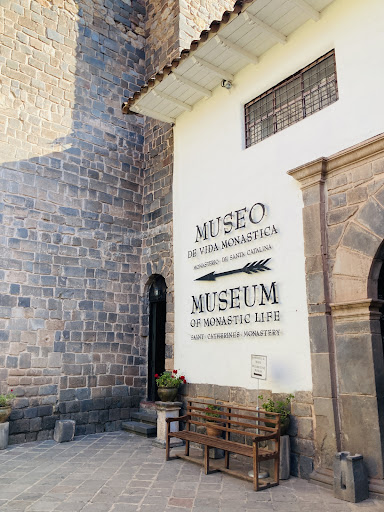
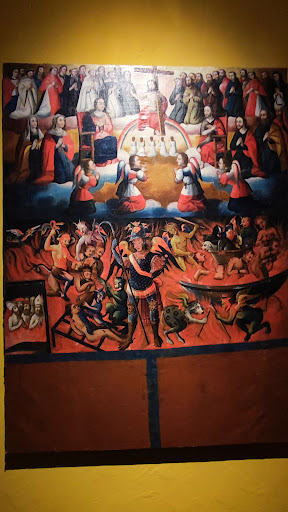
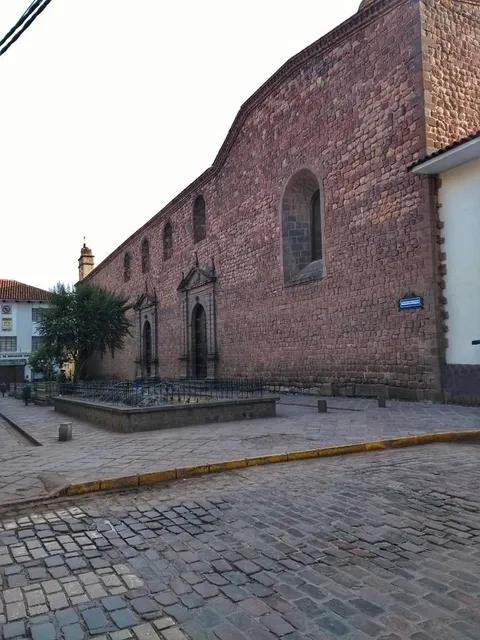
Museo Del Monastério De Santa Catalina De Siena
calle, Sta. Catalina Angosta 401, Cusco, Peru
4.6(39)
Closed
Save
spot
spot
Ratings & Description
Info
Cultural
Family friendly
Accessibility
attractions: Cuzco Main Square, Plaza de Armas, EKEKOS SAN BLAS -art & COLORS, Museo Machu Picchu Casa Concha, Cusco Cathedral, Museo Maximo Laura, Museo de Arte Popular, Church of the Society of Jesus, Inka Museum, Qorikancha, restaurants: KUSYKAY Peruvian Craft Food, El Mesón de Don Tomas, Casa Cusqueña Restaurante, Pizzeria Trattoria Casa Grande Cusco (La mejor Pizza Artesanal a Leña), Nuna Raymi, Mr. Cuy, Café Dwasi peruvian coffee 2.0, KION Peruvian Chinese, La Bodega 138, Miwa 美和 - Peruvian Asian Kitchen, local businesses: Plaza de Armas, Best Massage Cusco, Salkantay Trekking, Machu Picchu Reservations, Alpaca Expeditions, Pikchu, Monasterio de Santa Catalina de Nuestra Señora de Los Remedios, Inkan Milky Way Cusco, ARTESANÍAS ASUNTA, Inka Trail Backpacker - Peru Travel Agency and Tour Operator - Inca Trail to Machu Picchu
 Learn more insights from Wanderboat AI.
Phone
+51 984 914 922
Open hoursSee all hours
Wed8:30 AM - 5:30 PMClosed
Plan your stay

Pet-friendly Hotels in Distrito de Cusco
Find a cozy hotel nearby and make it a full experience.

Affordable Hotels in Distrito de Cusco
Find a cozy hotel nearby and make it a full experience.

The Coolest Hotels You Haven't Heard Of (Yet)
Find a cozy hotel nearby and make it a full experience.

Trending Stays Worth the Hype in Distrito de Cusco
Find a cozy hotel nearby and make it a full experience.
Reviews
Live events

Horseback riding through four hidden temples
Wed, Feb 25 • 8:30 AM
Cusco, 08003, Cusco, Peru
View details
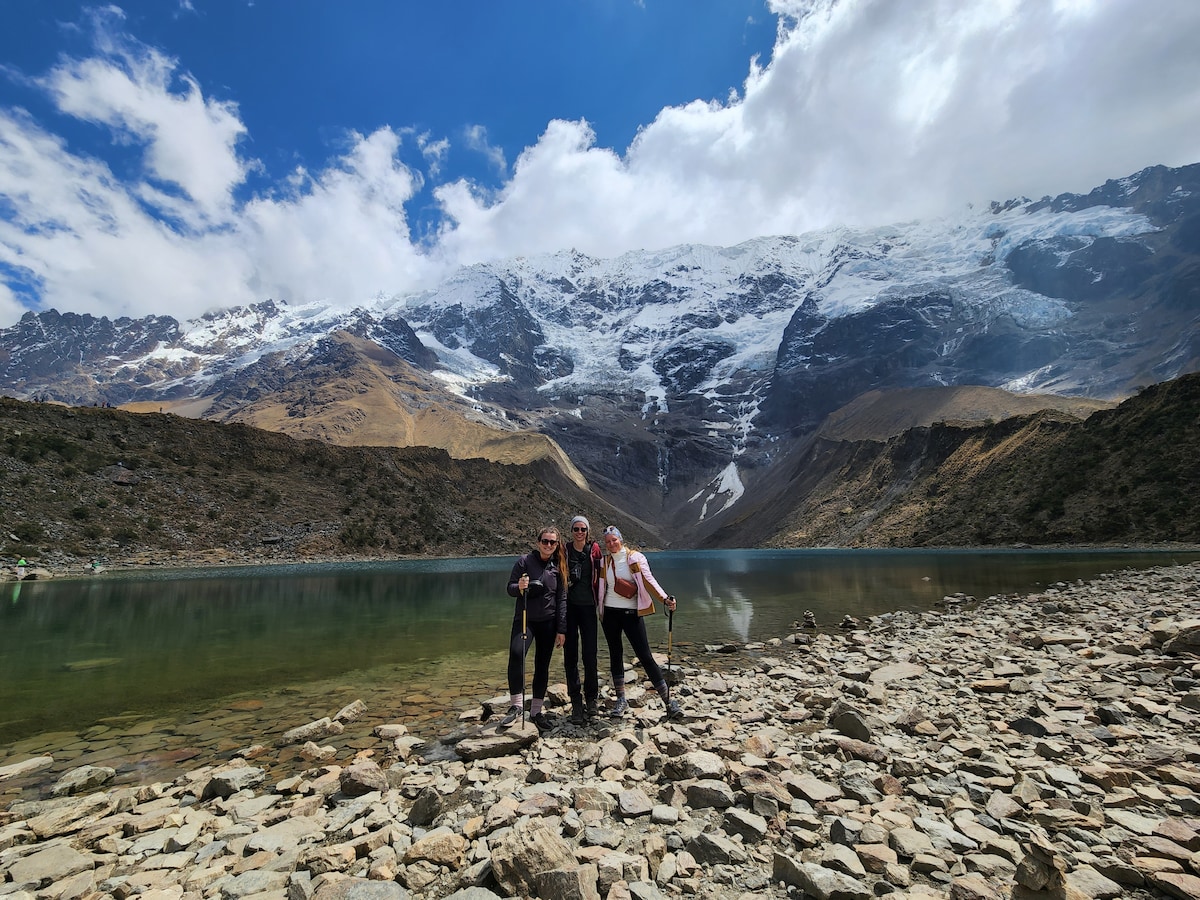
Hike to Humantay Lagoon in one day
Wed, Feb 25 • 4:30 AM
Cusco, 08002, Cuzco, Peru
View details
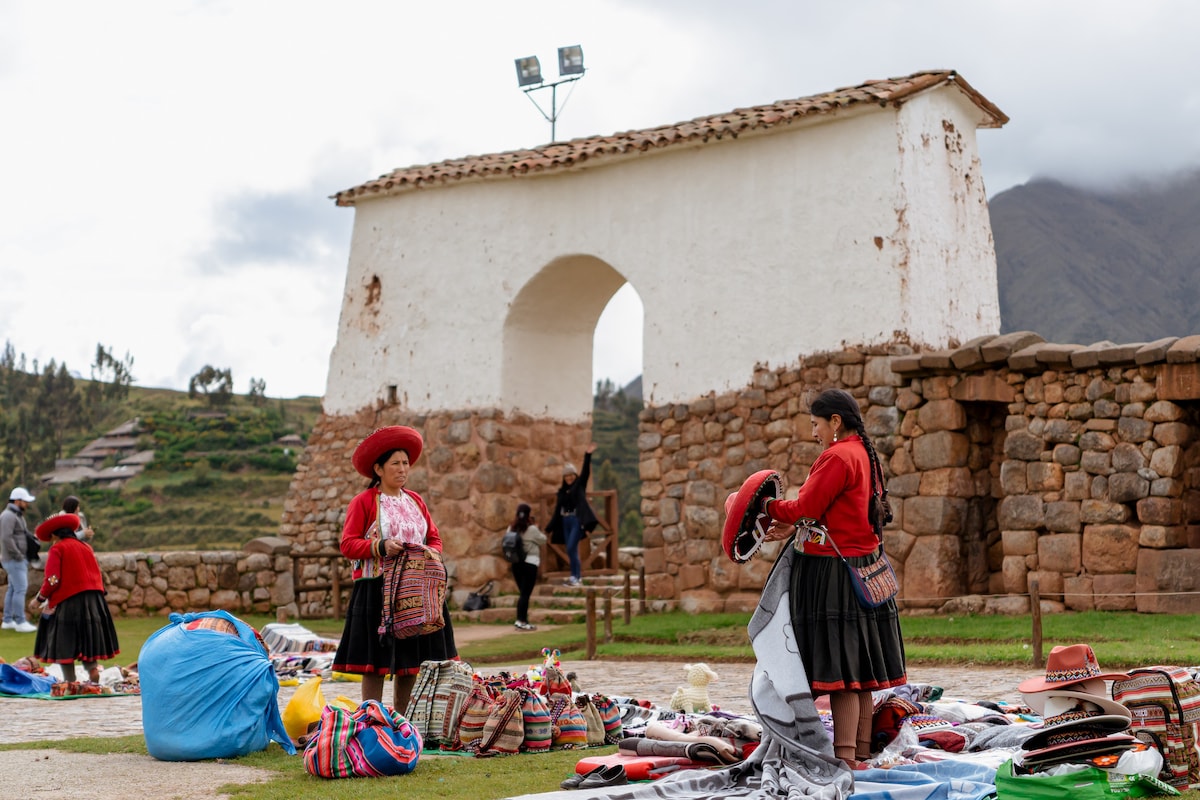
Explore the Sacred valley of the Incas
Wed, Feb 25 • 6:30 AM
Cusco, 08002, Cusco, Peru
View details
Nearby attractions of Museo Del Monastério De Santa Catalina De Siena
Cuzco Main Square
Plaza de Armas
EKEKOS SAN BLAS -art & COLORS
Museo Machu Picchu Casa Concha
Cusco Cathedral
Museo Maximo Laura
Museo de Arte Popular
Church of the Society of Jesus
Inka Museum
Qorikancha
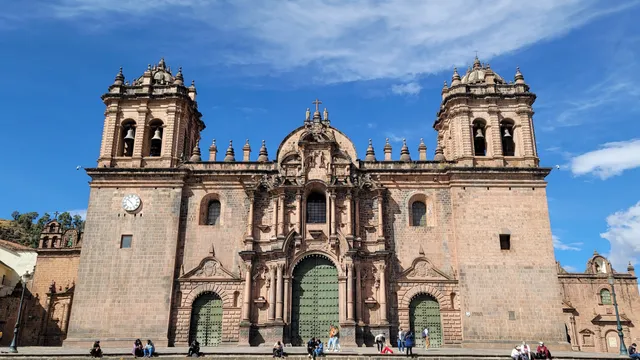
Cuzco Main Square
4.8
(27K)
Open until 12:00 AM
Click for details
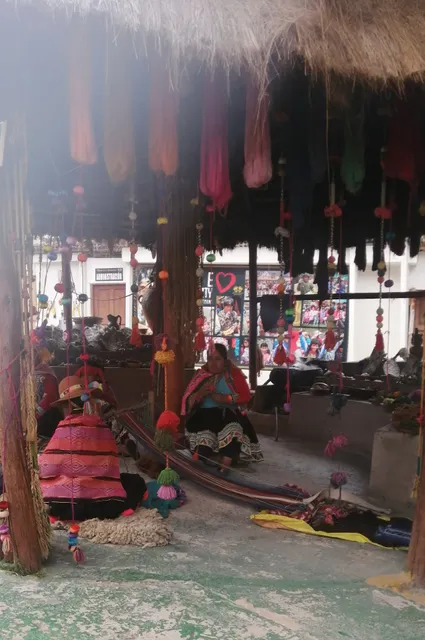
Plaza de Armas
4.8
(27.8K)
Open until 12:00 AM
Click for details
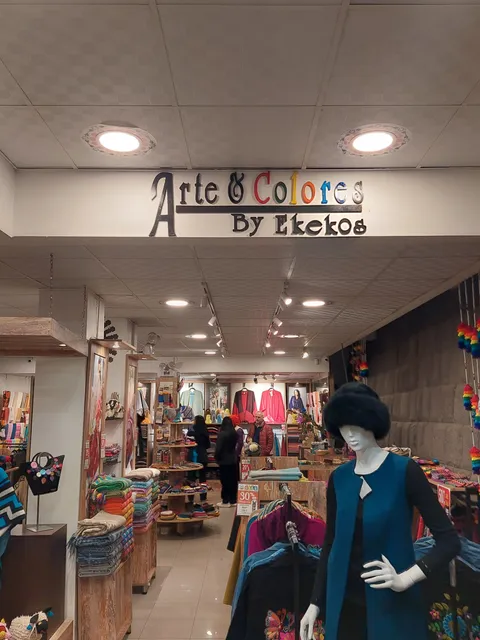
EKEKOS SAN BLAS -art & COLORS
4.9
(190)
Closed
Click for details
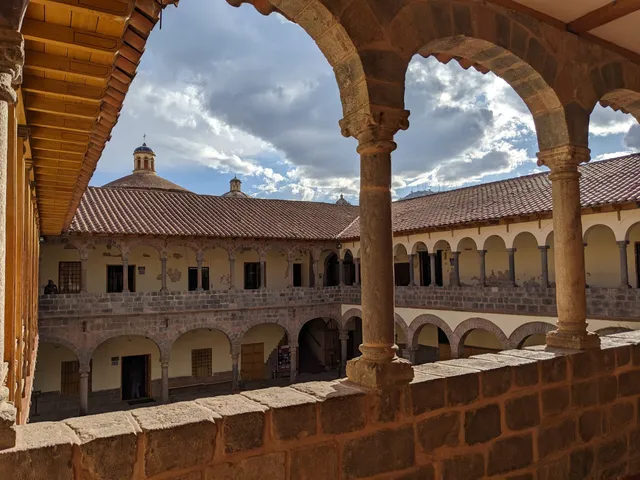
Museo Machu Picchu Casa Concha
4.4
(274)
Closed
Click for details
Nearby restaurants of Museo Del Monastério De Santa Catalina De Siena
KUSYKAY Peruvian Craft Food
El Mesón de Don Tomas
Casa Cusqueña Restaurante
Pizzeria Trattoria Casa Grande Cusco (La mejor Pizza Artesanal a Leña)
Nuna Raymi
Mr. Cuy
Café Dwasi peruvian coffee 2.0
KION Peruvian Chinese
La Bodega 138
Miwa 美和 - Peruvian Asian Kitchen
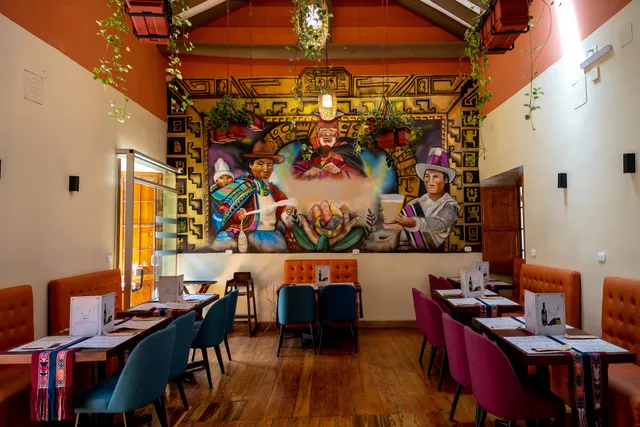
KUSYKAY Peruvian Craft Food
4.9
(4K)
Closed
Click for details
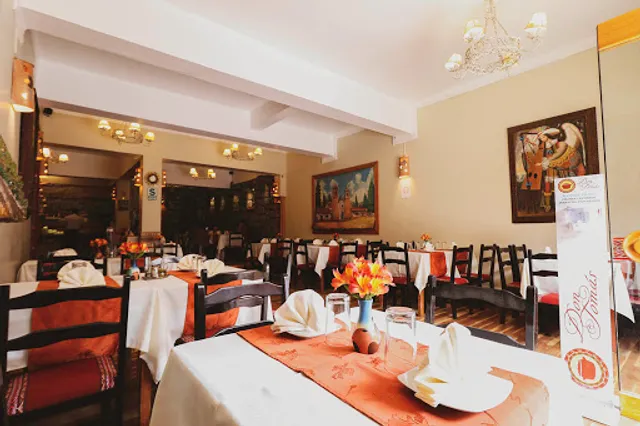
El Mesón de Don Tomas
4.3
(567)
Closed
Click for details
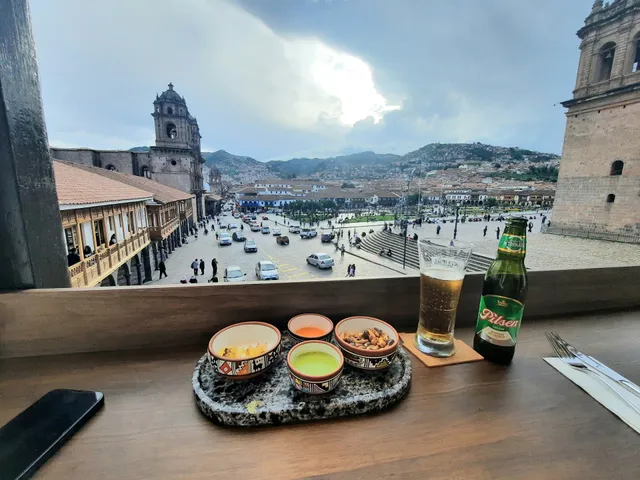
Casa Cusqueña Restaurante
4.9
(548)
Closed
Click for details
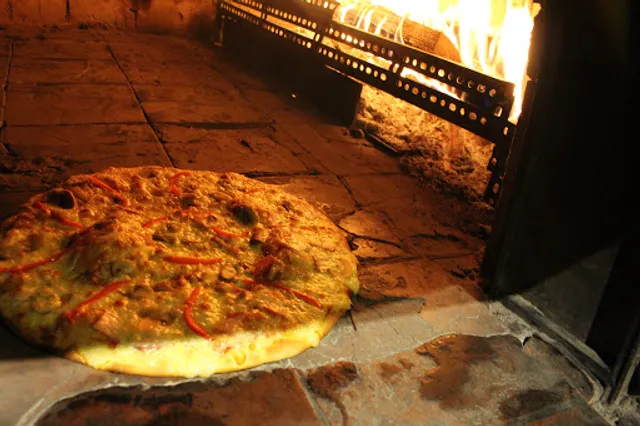
Pizzeria Trattoria Casa Grande Cusco (La mejor Pizza Artesanal a Leña)
4.5
(817)
Closed
Click for details
Nearby local services of Museo Del Monastério De Santa Catalina De Siena
Plaza de Armas
Best Massage Cusco
Salkantay Trekking
Machu Picchu Reservations
Alpaca Expeditions
Pikchu
Monasterio de Santa Catalina de Nuestra Señora de Los Remedios
Inkan Milky Way Cusco
ARTESANÍAS ASUNTA
Inka Trail Backpacker - Peru Travel Agency and Tour Operator - Inca Trail to Machu Picchu
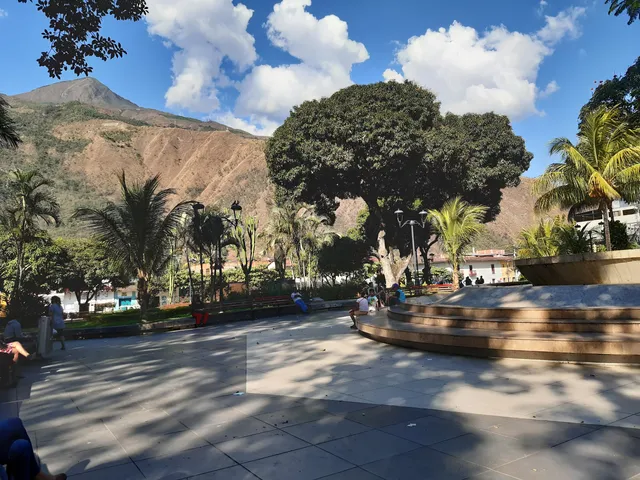
Plaza de Armas
4.3
(1.1K)
Click for details
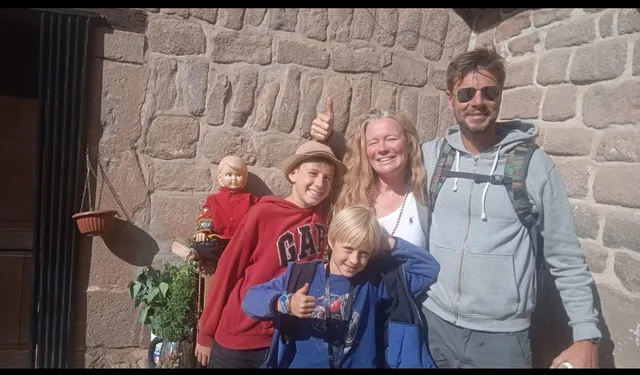
Best Massage Cusco
4.9
(233)
Click for details
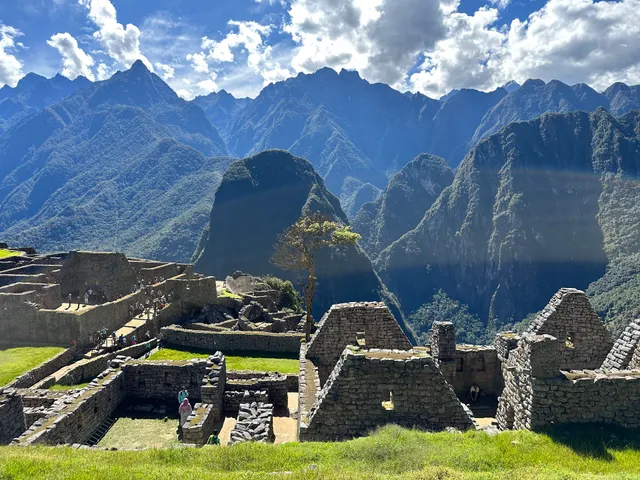
Salkantay Trekking
4.7
(322)
Click for details
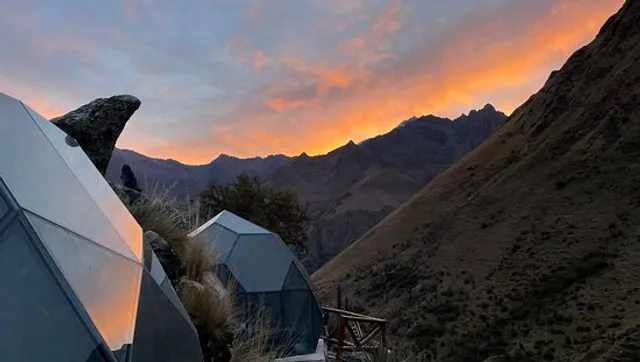
Machu Picchu Reservations
4.8
(3.3K)
Click for details