Ohio Statehouse things to do, attractions, restaurants, events info and trip planning
Basic Info
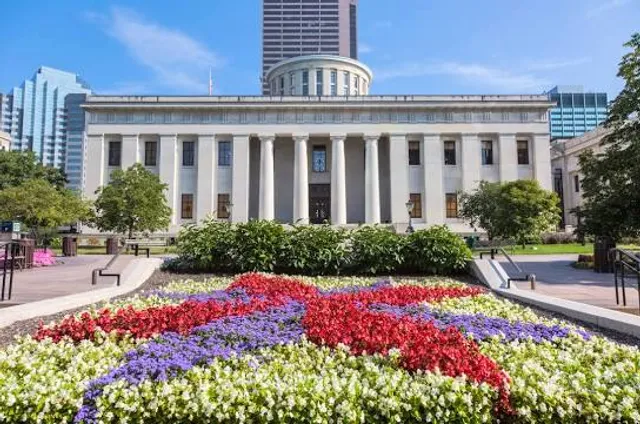
Ohio Statehouse
1 Capitol Sq, Columbus, OH 43215
4.5(211)
Open until 5:00 PM
Save
spot
spot
Ratings & Description
Info
The Ohio Statehouse is the state capitol building and seat of government for the U.S. state of Ohio. The Greek Revival building is located on Capitol Square in Downtown Columbus. The capitol houses the Ohio General Assembly, consisting of the House of Representatives and the Senate.
Cultural
"family friendly"
"accessibility"
attractions: Ohio Theatre, Capitol Square, John F. Wolfe Columbus Commons, Palace Theatre, Riffe Center Studio Theatres, Columbus Association for the Performing Arts, Rhodes State Office Tower, Scioto Mile Promenade, Magic Escape Rooms Columbus, The Contemporary Theatre of Ohio, restaurants: The Spaghetti Warehouse, Tasty Dawg, Columbus Pizza And Brew, Condado Tacos, Alley Burger, Market 65 Local Eatery & Bar, Tip Top Kitchen & Cocktails, Mitchell's Steakhouse, Ringside Café, Butcher & Rose, local businesses: Branch Insurance, Capstone Dental Downtown, Spoonful Records, The Peanut Shoppe, LVQ Apartments, The Dinner Detective True Crime Murder Mystery Dinner Show - Columbus, OH, Huntington Bank, Richlooks Studios, Huntington Center Barber and Beauty Salon, Highpoint On Columbus Commons
 Learn more insights from Wanderboat AI.
Phone
(614) 752-9777
Website
ohiostatehouse.org
Open hoursSee all hours
Tue8 AM - 5 PMOpen
Plan your stay

Pet-friendly Hotels in Columbus
Find a cozy hotel nearby and make it a full experience.

Affordable Hotels in Columbus
Find a cozy hotel nearby and make it a full experience.

The Coolest Hotels You Haven't Heard Of (Yet)
Find a cozy hotel nearby and make it a full experience.

Trending Stays Worth the Hype in Columbus
Find a cozy hotel nearby and make it a full experience.
Reviews
Live events

FREE Live Comedy Showcase & Open Mic: Phygital Nights @ Leap-N-Lizards
Tue, Feb 24 • 8:00 PM
4704 Cemetery Road Hilliard, OH 43026
View details

Advocacy Training with Groundwork Ohio
Wed, Feb 25 • 7:00 PM
1105 Schrock Road #suite 125 Columbus, OH 43229
View details

Compartir para Solteros
Fri, Feb 27 • 7:00 PM
3670 Discovery Drive Grove City, OH 43123
View details
Nearby attractions of Ohio Statehouse
Ohio Theatre
Capitol Square
John F. Wolfe Columbus Commons
Palace Theatre
Riffe Center Studio Theatres
Columbus Association for the Performing Arts
Rhodes State Office Tower
Scioto Mile Promenade
Magic Escape Rooms Columbus
The Contemporary Theatre of Ohio
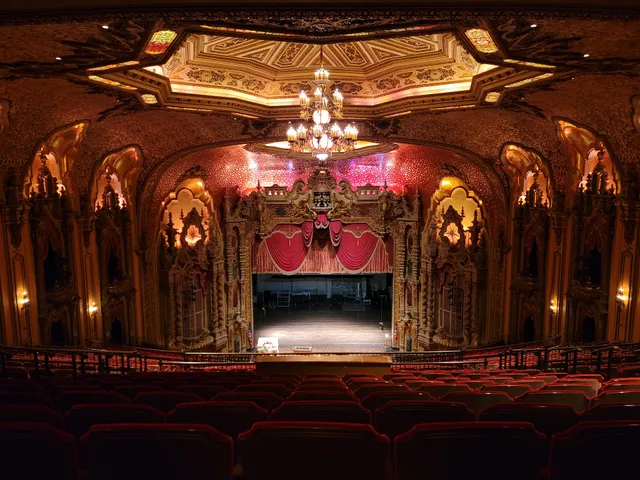
Ohio Theatre
4.8
(1.8K)
Open 24 hours
Click for details

Capitol Square
4.5
(434)
Open until 5:00 PM
Click for details
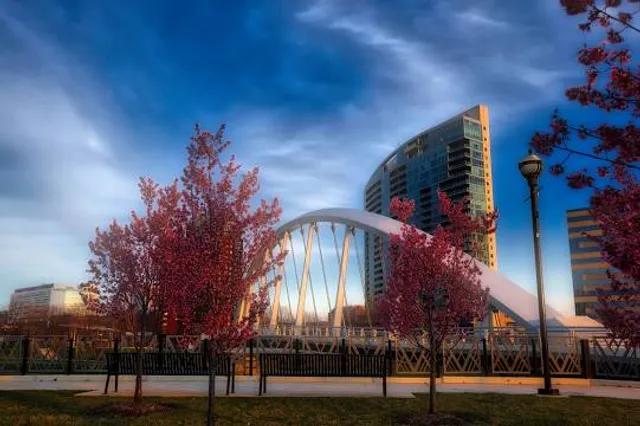
John F. Wolfe Columbus Commons
4.6
(1.3K)
Open until 11:00 PM
Click for details
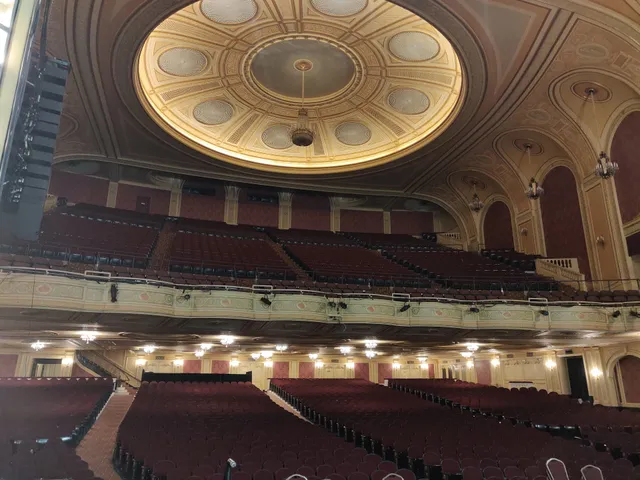
Palace Theatre
4.6
(1.1K)
Open 24 hours
Click for details
Nearby restaurants of Ohio Statehouse
The Spaghetti Warehouse
Tasty Dawg
Columbus Pizza And Brew
Condado Tacos
Alley Burger
Market 65 Local Eatery & Bar
Tip Top Kitchen & Cocktails
Mitchell's Steakhouse
Ringside Café
Butcher & Rose

The Spaghetti Warehouse
4.1
(3.1K)
$
Open until 8:00 PM
Click for details

Tasty Dawg
4.8
(417)
$
Open until 8:00 PM
Click for details

Columbus Pizza And Brew
3.9
(668)
$
Closed
Click for details

Condado Tacos
4.5
(1.7K)
$
Open until 11:00 PM
Click for details
Nearby local services of Ohio Statehouse
Branch Insurance
Capstone Dental Downtown
Spoonful Records
The Peanut Shoppe
LVQ Apartments
The Dinner Detective True Crime Murder Mystery Dinner Show - Columbus, OH
Huntington Bank
Richlooks Studios
Huntington Center Barber and Beauty Salon
Highpoint On Columbus Commons

Branch Insurance
4.2
(526)
Click for details

Capstone Dental Downtown
4.9
(201)
Click for details
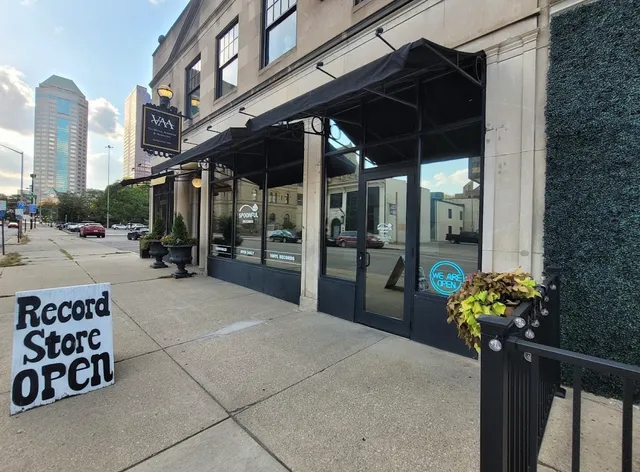
Spoonful Records
4.9
(452)
Click for details
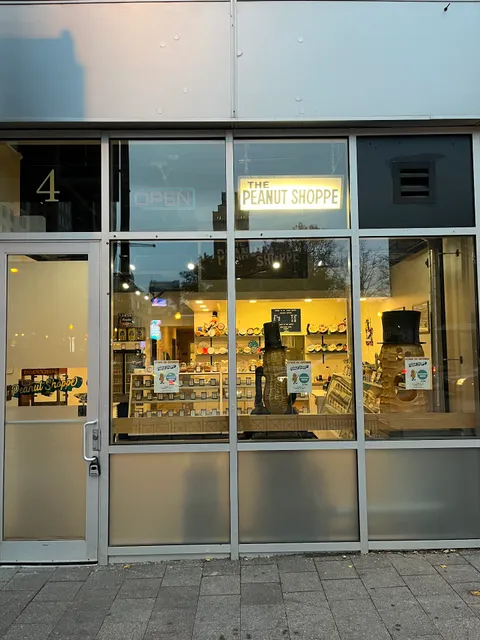
The Peanut Shoppe
4.6
(78)
Click for details


The hit list



Plan your trip with Wanderboat
Welcome to Wanderboat AI, your AI search for local Eats and Fun, designed to help you explore your city and the world with ease.
Powered by Wanderboat AI trip planner.