The World Time Clock at Alexanderplatz is truly an iconic landmark and a fascinating piece of engineering that represents the beauty of global unity. Situated in the heart of Berlin, this clock serves as both a practical timepiece and a historical monument, drawing visitors from all around the world.
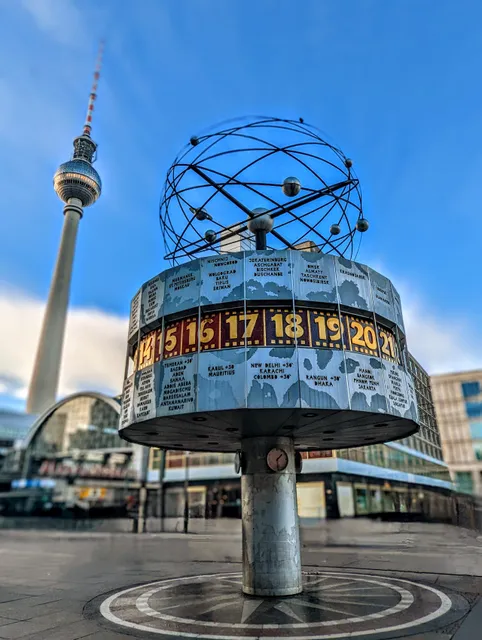
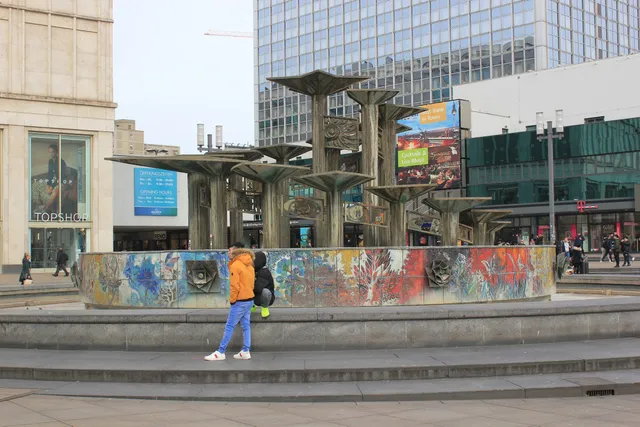
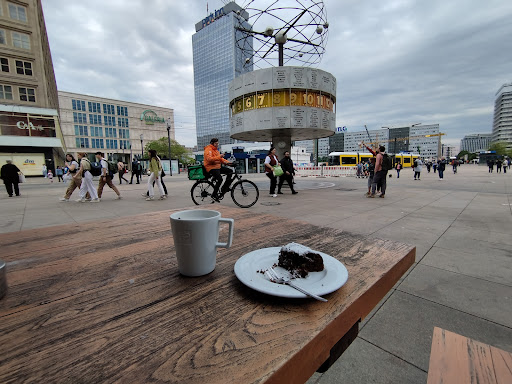
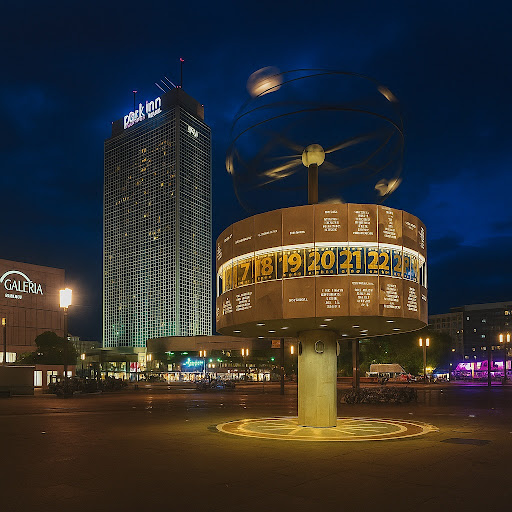
One of the most remarkable aspects of the World Time Clock is its design. Created by Erich John in 1969, the clock has a rotating cylinder that displays the time in different major cities across the world. The top of the clock features a stylized representation of the solar system, adding a cosmic element to its structure. This thoughtful design makes it not just functional but also visually stunning. Whether visiting during the day or at night, when the clock is beautifully illuminated, it always offers a captivating sight.
Beyond its aesthetic appeal, the clock holds immense significance. It stands as a symbol of international connection, reminding visitors of the shared experiences that link people across different time zones. As tourists and locals gather around, checking the times of various cities, it fosters a feeling of global awareness. Many people find themselves excitedly searching for the time in a city they have visited or where loved ones reside, adding a personal touch to the experience.
The clock is also deeply intertwined with Berlin’s history. Alexanderplatz itself has been a central hub for decades, and the World Time Clock has witnessed the city’s transformations through time. Its presence during key historical moments in Berlin’s past makes it even more meaningful to visit. Standing by this structure, one can almost feel the energy of Berlin’s ever-evolving spirit, making it a must-see destination for history enthusiasts and casual travelers alike.
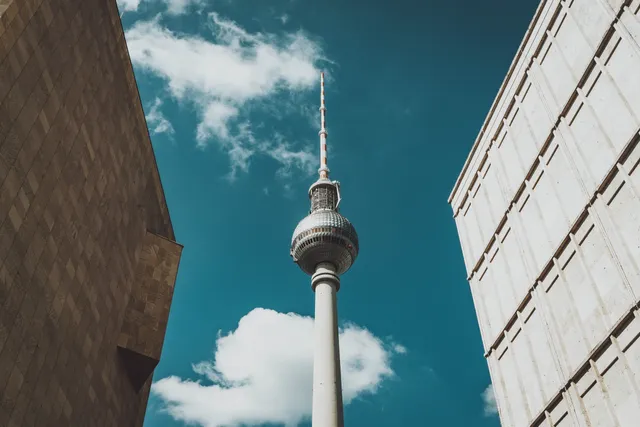
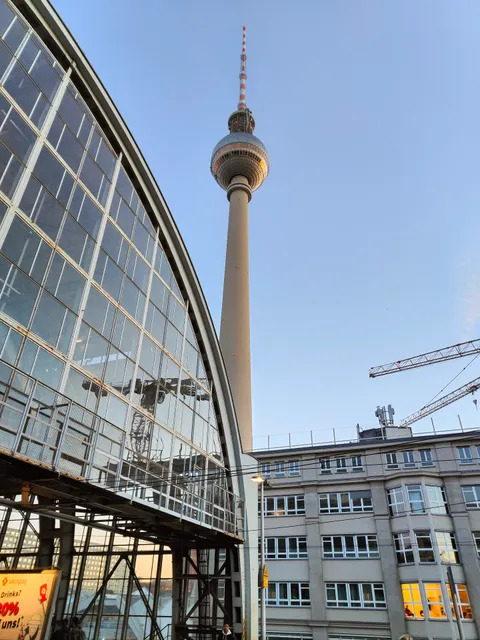
In addition to its cultural and historical significance, the clock’s location makes it incredibly convenient to visit. Alexanderplatz is a major transportation hub, and from here, visitors can easily explore various attractions, shopping centers, restaurants, and nearby landmarks such as the Berlin TV Tower. The vibrant atmosphere of the square, combined with the presence of the World Time Clock, creates an unforgettable experience for anyone walking through.
Overall, the World Time Clock at Alexanderplatz is more than just a practical way to check the time—it is a masterpiece that celebrates connectivity, history, and artistic brilliance. Whether you are a tourist discovering Berlin for the first time or a resident passing by, stopping to admire this clock is always worthwhile. Its enduring presence in the heart of the city ensures that it remains a cherished landmark for...
Read moreWorld Clock - Alexanderplatz
The world clock stands on Alexanderplatz and was erected in 1969 during the GDR regime. On September 30th 1969 the clock was officially handed over for the 20th anniversary of the GDR.
Designed by Erich John it was engineered and constructed by about 120 experts from various professions. In the bottom a stone mosaic is embedded, which depicts a compass rose. On a 2.7-meter-high column with a diameter of 1.5 meters, a three-piece cylinder is attached. 24 corners is the base, consequently the clock has 24 sides. Each of the sides corresponds to one of the 24 time zones of the earth. Over the world time the solar system is illustrated with the planets, seen as balls which rotate per minute in a simplified form. The world clock has a total height of 10 meters.

OTHER TOURIST ATTRACTIONS
Find other sights worth visiting in Berlin

World clock with TV tower on the Alexanderplatz
World Clock - Alexanderplatz
The world clock stands on Alexanderplatz and was erected in 1969 during the GDR regime. On September 30th 1969 the clock was officially handed over for the 20th anniversary of the GDR.
Designed by Erich John it was engineered and constructed by about 120 experts from various professions. In the bottom a stone mosaic is embedded, which depicts a compass rose. On a 2.7-meter-high column with a diameter of 1.5 meters, a three-piece cylinder is attached. 24 corners is the base, consequently the clock has 24 sides. Each of the sides corresponds to one of the 24 time zones of the earth. Over the world time the solar system is illustrated with the planets, seen as balls which rotate per minute in a simplified form. The world clock has a total height of 10 meters.
Beneath the clock in the ground Trabant gearbox which was rebuilt and a ball bearing of Rothe Erde company drive the clock. In 1997 the clock had been redeveloped by Hans-Joachim Kunsch (metal restorer). City names have been updated or added. In the British pop duo Erasure the world clock plays an important role in their music video "Run To The Sun". The singer Andy Bell is seen dancing in the middle of the World Clock. Among the Berliners there is the myth if a couple stops at midnight and hold hands they will stay together forever.
Adress: Alexanderplatz 1 , 10178 Berlin Connections: S+U Bahnhof Alexanderplatz (S5, S7, S75, U5, U8, U2), Bus: 100, 200, 248 (S+U Bahnhof Alexanderplatz), N5, N65 (U Bahnhof Alexanderplatz), Tram: M2, M4, M5, M6 (S+U Bahnhof...
Read moreThe World Time Clock, also known as the Weltzeituhr, is a prominent landmark located in Alexanderplatz, Berlin. It is a fascinating and practical piece of art that represents the time zones across the globe.
Designed by Erich John and unveiled in 1969, the World Time Clock consists of a large stainless steel structure with a cylindrical shape. The clock features a world map in the form of a mosaic, displaying the major cities and their respective time zones. The map is adorned with colorful tiles, which add to the clock's vibrant and eye-catching appearance.
The clock serves a practical purpose by providing the current time in various cities around the world. Each city is represented by a ring on the map, and the current time for that location is indicated by a small light. This feature makes it a valuable tool for locals and tourists alike, as it enables quick and convenient reference to different time zones.
Beyond its functionality, the World Time Clock has become an iconic meeting point and a symbol of Alexanderplatz. Its central location in one of Berlin's busiest squares makes it a hub of activity, bustling with locals and visitors alike. The clock's unique design and captivating presence make it a popular spot for gathering and taking photographs.
The World Time Clock is not only a useful timepiece but also an art installation that reflects Berlin's spirit and cosmopolitan nature. It represents the interconnectedness of the global community and serves as a reminder of the importance of time, communication, and international connections.
Whether you're checking the time, meeting friends, or simply immersing yourself in the vibrant atmosphere of Alexanderplatz, the World Time Clock offers a distinctive and memorable experience that combines functionality with...
Read more