Royal Palace of Turin things to do, attractions, restaurants, events info and trip planning
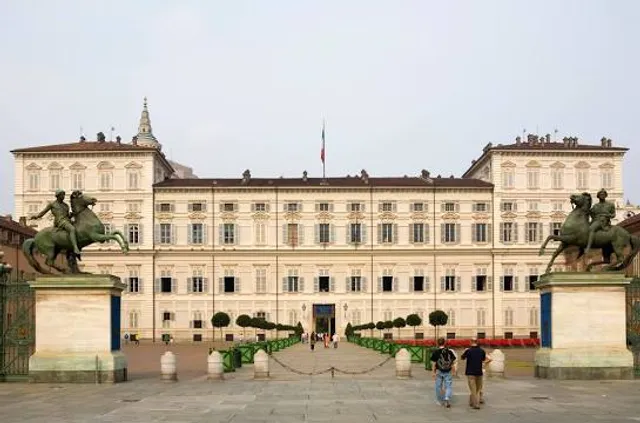
Basic Info
Royal Palace of Turin
Piazzetta Reale, 1, 10122 Torino TO, Italy
4.8(4.3K)
Open until 12:00 AM


tickets
Save
spot
spot
Ratings & Description
Info
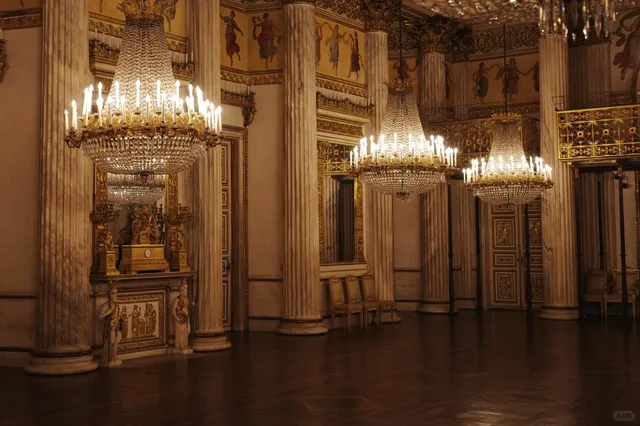
The Royal Palace of Turin is a historic palace of the House of Savoy in the city of Turin in Northern Italy. It was originally built in the 16th century and was later modernized by Christine Marie of France in the 17th century, with designs by the Baroque architect Filippo Juvarra.
Cultural
Accessibility
attractions: Galleria Sabauda, Museo Diocesano di Torino, Cappella della Sacra Sindone, Cathedral of Saint John the Baptist, Piazza Castello, Palazzo Madama, Teatro Regio di Torino, Giardini Reali di Torino, Real Chiesa di San Lorenzo, Palatine Gate, restaurants: Piola da Cianci, Ristorante del Duomo Bicerin, Master Sandwich, Pino & Pino, La Cruda Pizza, Skassapanza Torino Centro, Date n'Andi, Casa Broglia, Forno Ricca Quadrilatero, Coffee Wine Emilio Ranzini, local businesses: MUJI, MediaWorld Torino Castello Smart, Atipici Shop, Porta Palazzo, Louis Vuitton, Apple Via Roma, F.R.A.V., Antica Tettoia dell'Orologio di Porta Palazzo, Hannibal Store, Campagna Amica Market
 Learn more insights from Wanderboat AI.
Phone
+39 011 521 1106
Website
museireali.beniculturali.it
Open hoursSee all hours
WedClosedOpen
Plan your stay

Pet-friendly Hotels in Turin
Find a cozy hotel nearby and make it a full experience.

Affordable Hotels in Turin
Find a cozy hotel nearby and make it a full experience.

The Coolest Hotels You Haven't Heard Of (Yet)
Find a cozy hotel nearby and make it a full experience.

Trending Stays Worth the Hype in Turin
Find a cozy hotel nearby and make it a full experience.
Reviews
Live events

TAROCCHI • Presentazione in anteprima della mostra
Fri, Jan 16 • 6:00 PM
31 Via Magenta, 10128 Torino
View details

Inside Monet
Sat, Jan 17 • 11:45 AM
Viale Pier Andrea Mattioli, 25, Torino, 10125
View details
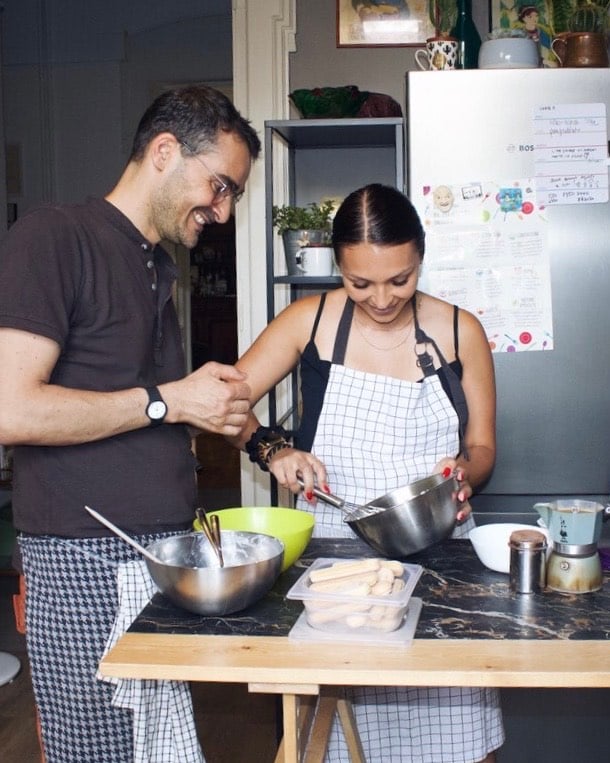
Cooking class in Turin
Wed, Jan 14 • 10:30 AM
10143, Turin, Piedmont, Italy
View details
Nearby attractions of Royal Palace of Turin
Galleria Sabauda
Museo Diocesano di Torino
Cappella della Sacra Sindone
Cathedral of Saint John the Baptist
Piazza Castello
Palazzo Madama
Teatro Regio di Torino
Giardini Reali di Torino
Real Chiesa di San Lorenzo
Palatine Gate
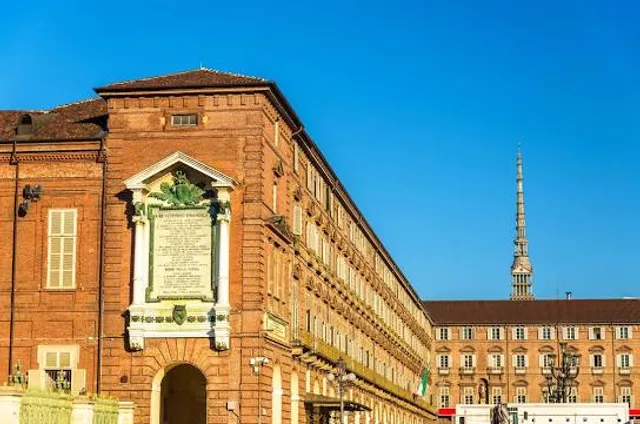
Galleria Sabauda
4.7
(1.8K)
Open until 12:00 AM
Click for details
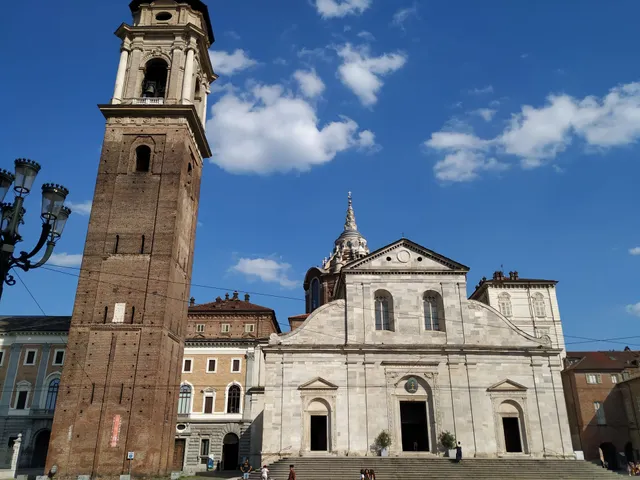
Museo Diocesano di Torino
4.5
(2.4K)
Open until 12:00 AM
Click for details
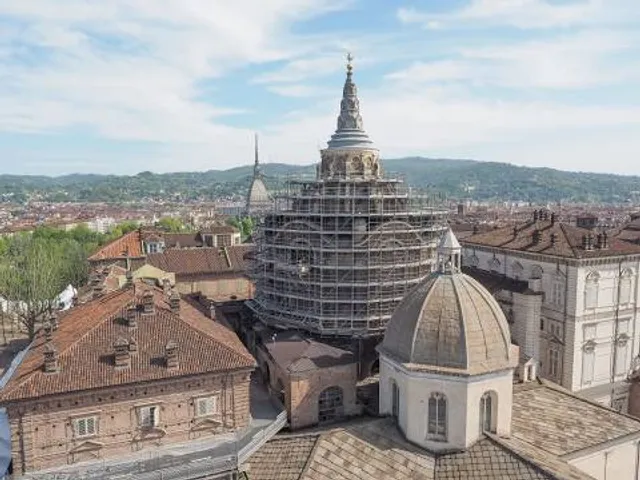
Cappella della Sacra Sindone
4.7
(2.4K)
Open until 5:00 PM
Click for details
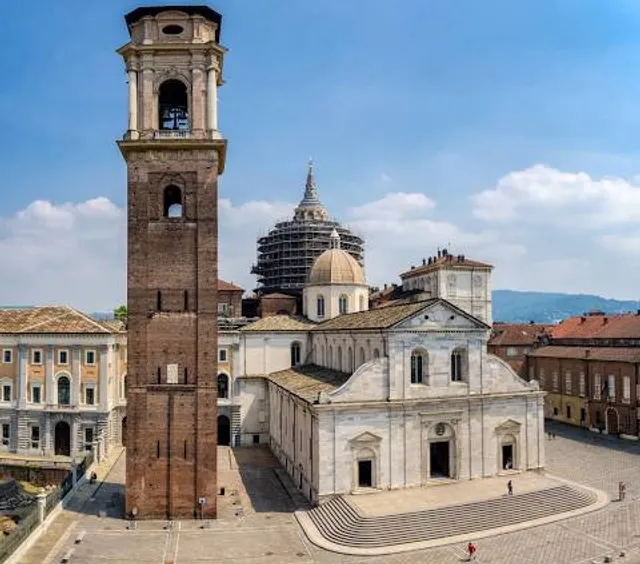
Cathedral of Saint John the Baptist
4.6
(3.2K)
Open until 7:00 PM
Click for details
Nearby restaurants of Royal Palace of Turin
Piola da Cianci
Ristorante del Duomo Bicerin
Master Sandwich
Pino & Pino
La Cruda Pizza
Skassapanza Torino Centro
Date n'Andi
Casa Broglia
Forno Ricca Quadrilatero
Coffee Wine Emilio Ranzini
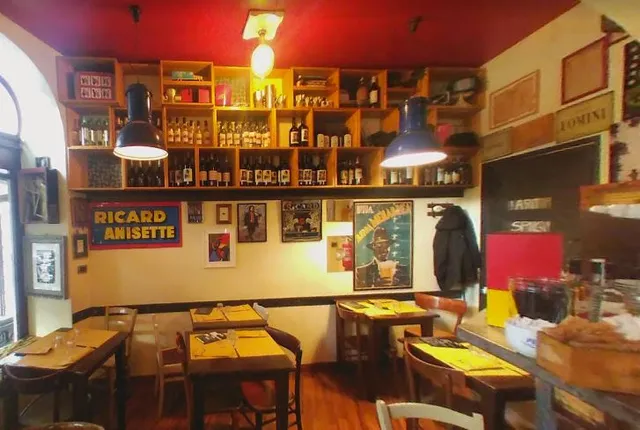
Piola da Cianci
4.3
(4.8K)
Click for details
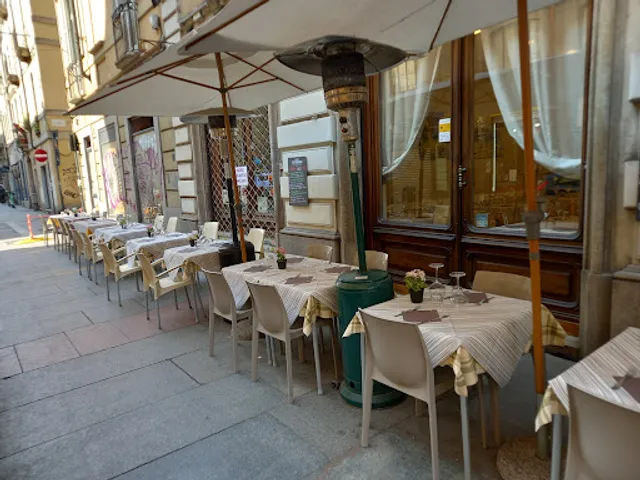
Ristorante del Duomo Bicerin
3.9
(476)
Open until 3:00 PM
Click for details
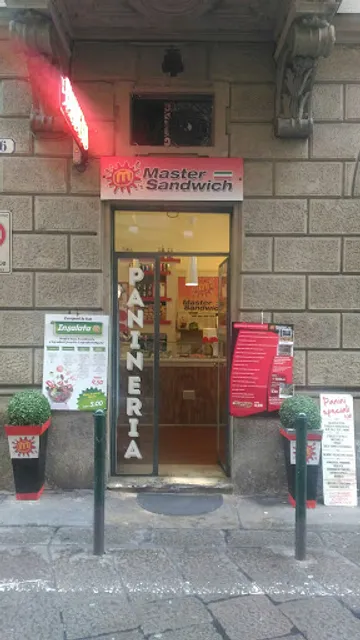
Master Sandwich
4.9
(610)
Open until 3:00 PM
Click for details
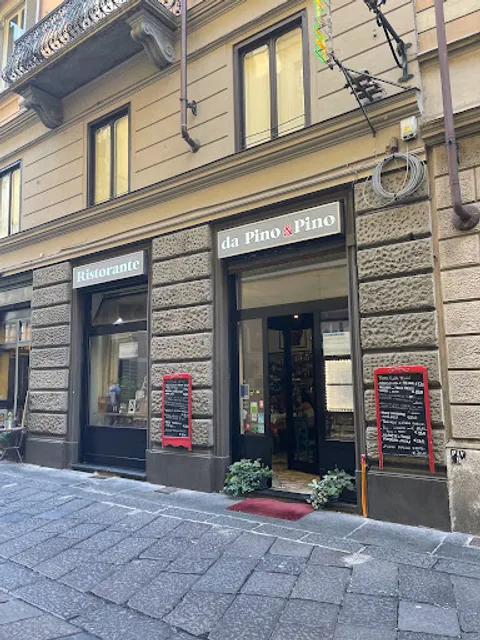
Pino & Pino
4.3
(419)
Open until 12:00 AM
Click for details
Nearby local services of Royal Palace of Turin
MUJI
MediaWorld Torino Castello Smart
Atipici Shop
Porta Palazzo
Louis Vuitton
Apple Via Roma
F.R.A.V.
Antica Tettoia dell'Orologio di Porta Palazzo
Hannibal Store
Campagna Amica Market
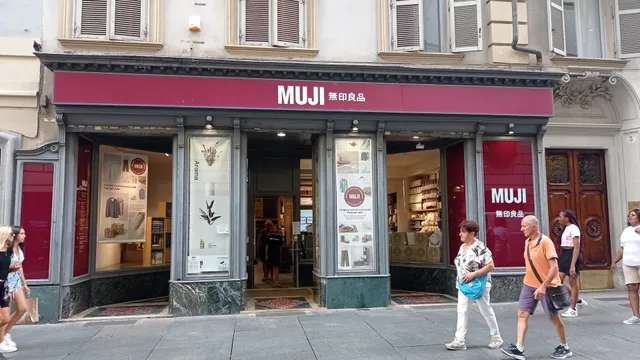
MUJI
4.2
(578)
Click for details
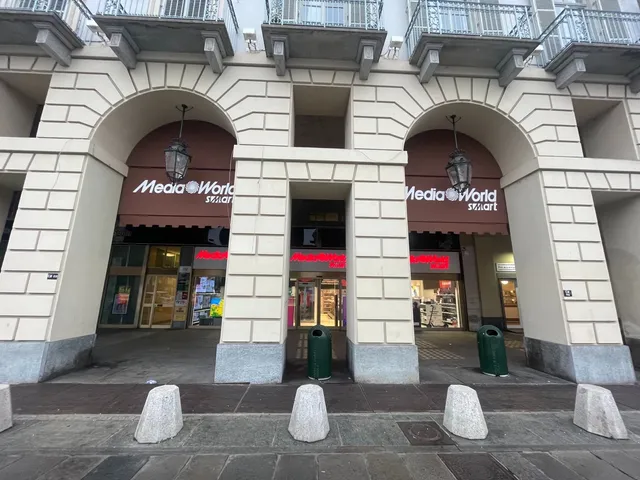
MediaWorld Torino Castello Smart
4.2
(258)
Click for details
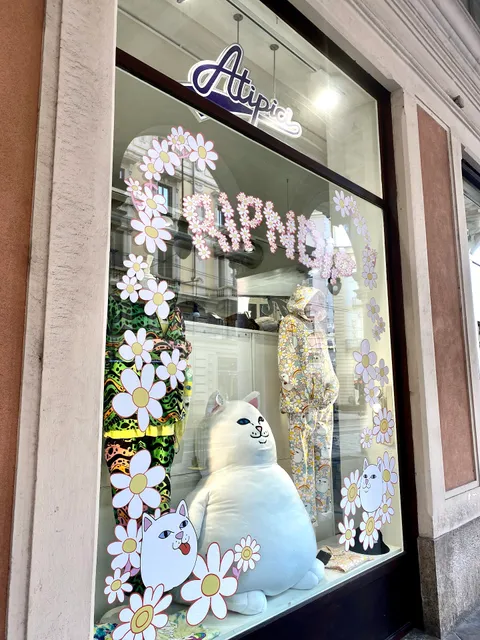
Atipici Shop
4.3
(580)
Click for details
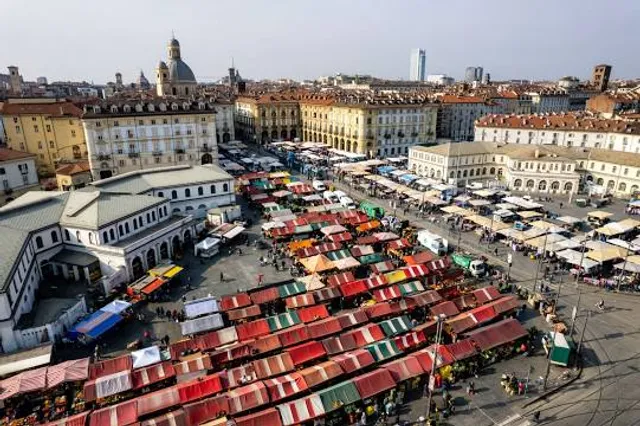
Porta Palazzo
4.2
(10.8K)
Click for details