Baba & Nyonya Heritage Museum things to do, attractions, restaurants, events info and trip planning
Basic Info
Baba & Nyonya Heritage Museum
48-50, Jalan Tun Tan Cheng Lock, 75200 Melaka, Malaysia
4.4(1.1K)
Open until 12:00 AM

tickets
Save
spot
spot
Ratings & Description
Info
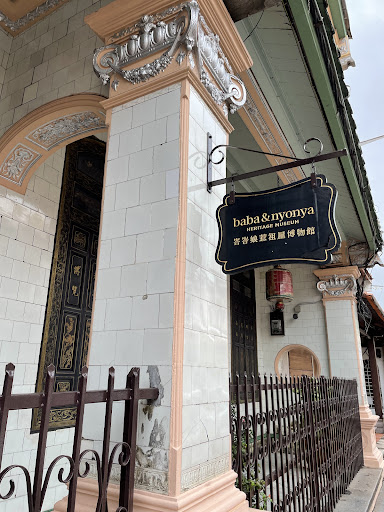
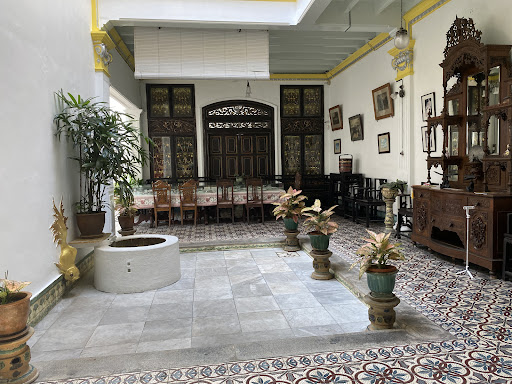
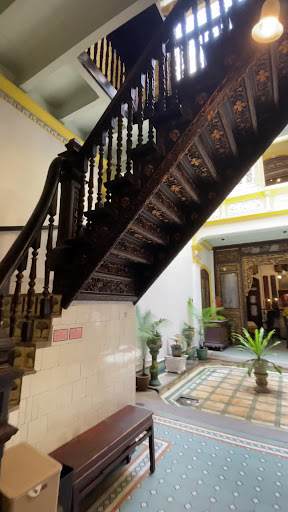
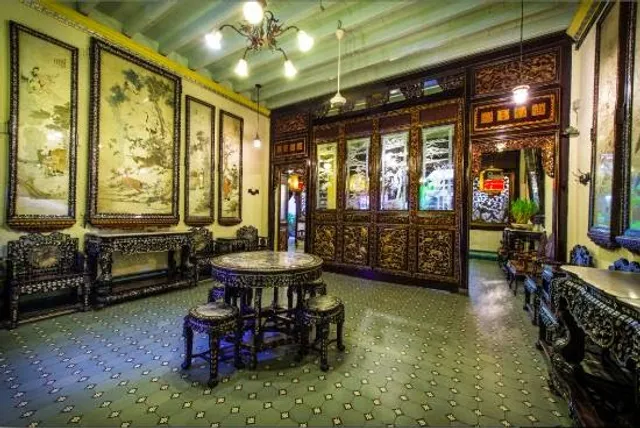
Baba Nyonya House Museum, also known as the Baba Nyonya Heritage Museum, is a museum in Malacca City, Malacca, Malaysia that showcases the local history of ethnic Chinese-Malays called Baba-Nyonya or Peranakan in the state.
Cultural
Family friendly
Accessibility
attractions: Jonker Street Night Market, Jonker Walk Melaka, Melaka River Cruise Jeti Quayside, Tham Siew Inn Artist Gallery, Cheng Hoon Teng Temple, Malaqa House Museum, Jonker Walk World Heritage Park, Dutch Square (Red Square) Melaka, Kampung Kling Mosque, The Orangutan House, restaurants: The Daily Fix Cafe, Calanthe Art Cafe, The Baboon House, Jonker 88, Chop Tiang Bee Cafe 长美号, Mamee Jonker House, Geographér Café, Baked., GravyBaby Melaka at Jonker Street, Famosa Chicken Rice Ball, local businesses: The Royal Press, Malacca Hokkien Huay Kuan, Bastion Middleburg , Vereenigde Oostindische Compagnie ( VOC ) Fort in Malakka, Sunday Morning Flea Market, Malacca Heritage Centre, Malacca River Cruise, MELAKA RIVER CRUISE COUNTER TIKET, International Zheng He Research Academy, Melaka Sultanate Palace Museum, Teo Chew Hui Kuan, Melaka
 Learn more insights from Wanderboat AI.
Phone
+60 6-282 1273
Website
babanyonyamuseum.com
Open hoursSee all hours
TueClosedOpen
Plan your stay

Pet-friendly Hotels in Malacca
Find a cozy hotel nearby and make it a full experience.

Affordable Hotels in Malacca
Find a cozy hotel nearby and make it a full experience.

The Coolest Hotels You Haven't Heard Of (Yet)
Find a cozy hotel nearby and make it a full experience.

Trending Stays Worth the Hype in Malacca
Find a cozy hotel nearby and make it a full experience.
Reviews
Live events
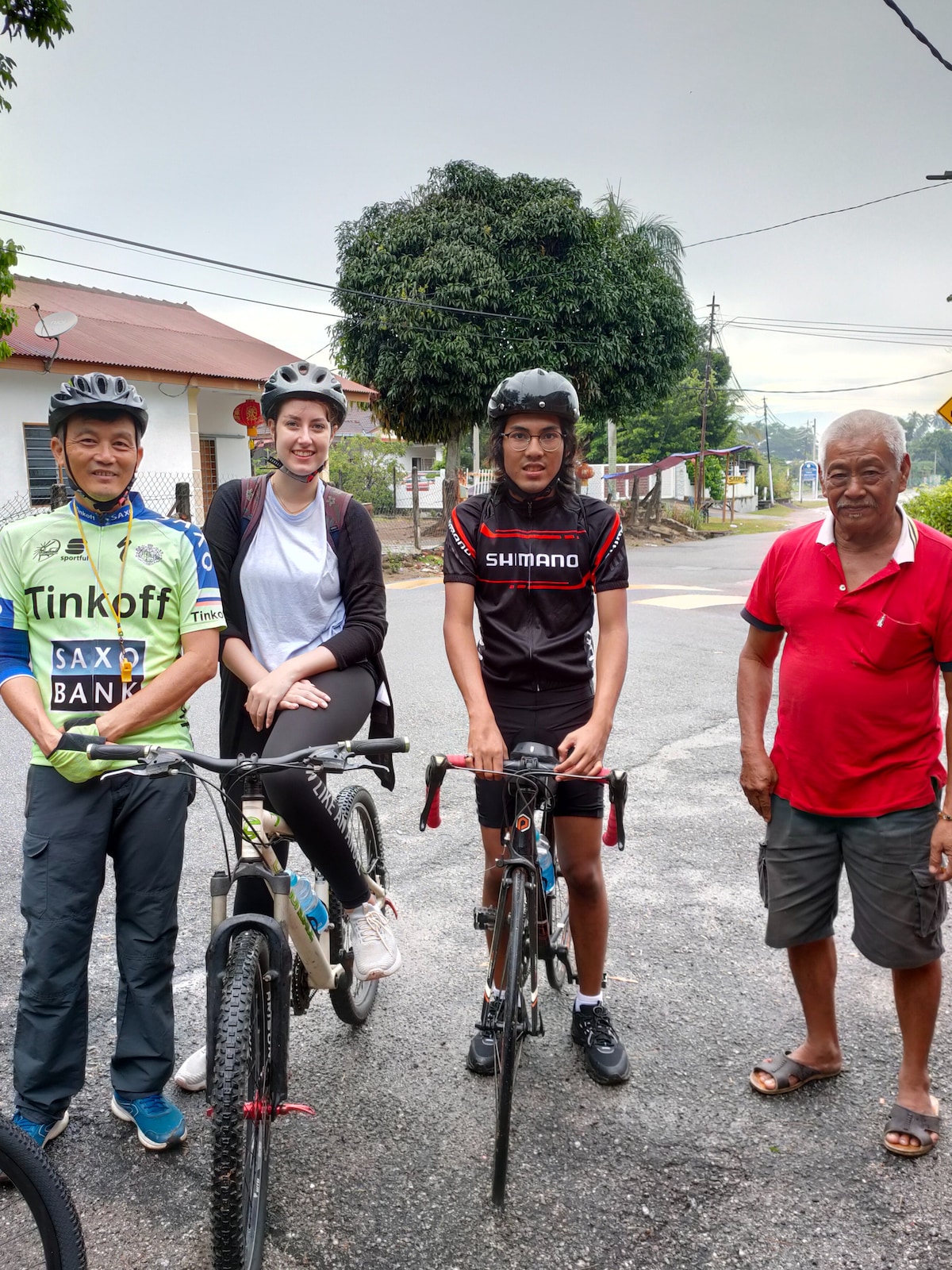
Take a guided ride on the wind and green Malacca
Sun, Mar 1 • 8:00 AM
75000, Malacca, Malacca, Malaysia
View details
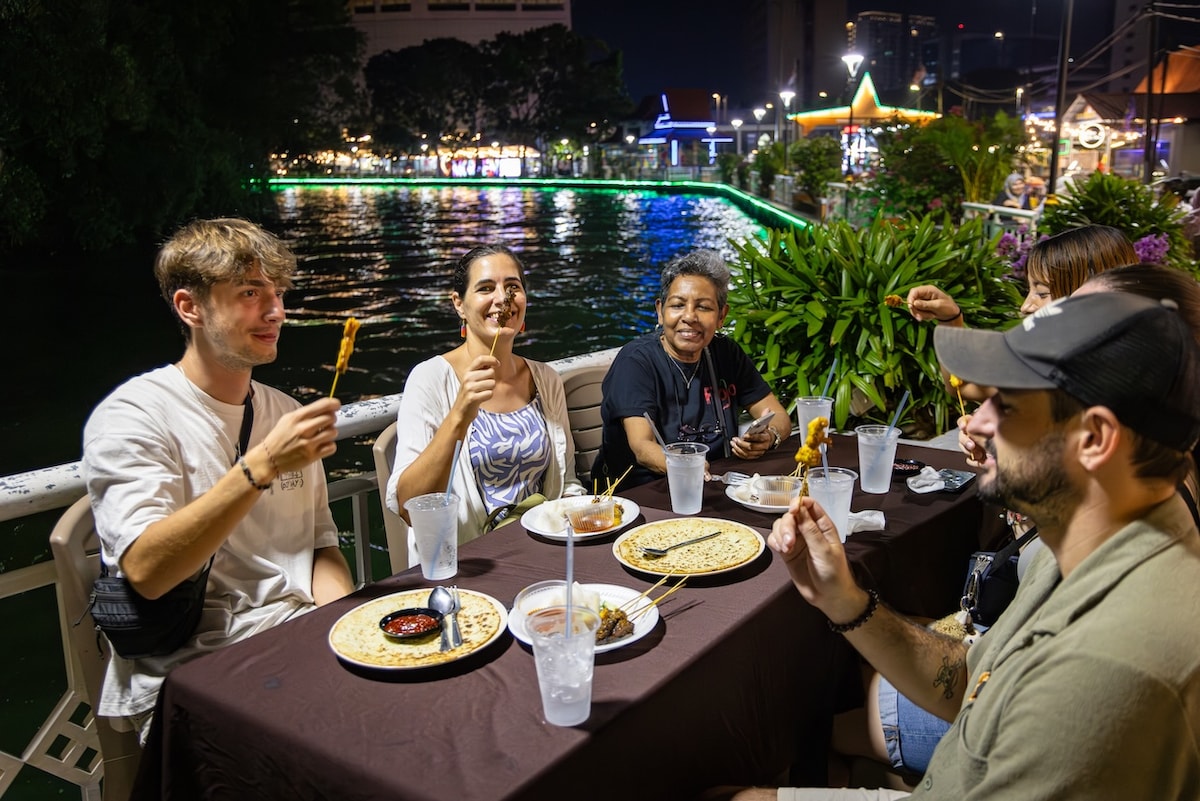
Melaka After-Dark Food Tour
Fri, Feb 27 • 6:00 PM
75200, Malacca, Malacca, Malaysia
View details
Nearby attractions of Baba & Nyonya Heritage Museum
Jonker Street Night Market
Jonker Walk Melaka
Melaka River Cruise Jeti Quayside
Tham Siew Inn Artist Gallery
Cheng Hoon Teng Temple
Malaqa House Museum
Jonker Walk World Heritage Park
Dutch Square (Red Square) Melaka
Kampung Kling Mosque
The Orangutan House
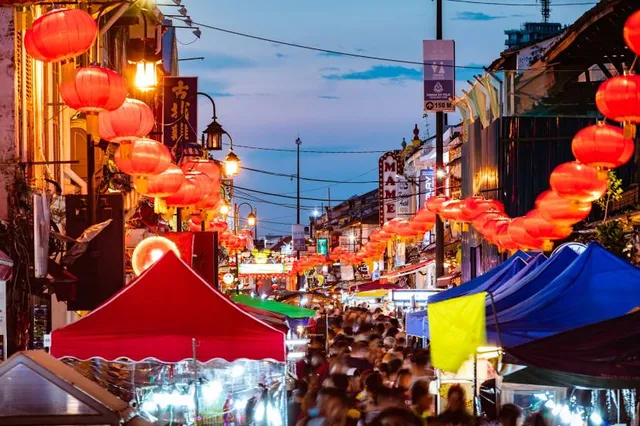
Jonker Street Night Market
4.3
(11.9K)
Open until 12:00 AM
Click for details

Jonker Walk Melaka
4.4
(2.1K)
Open until 12:00 AM
Click for details
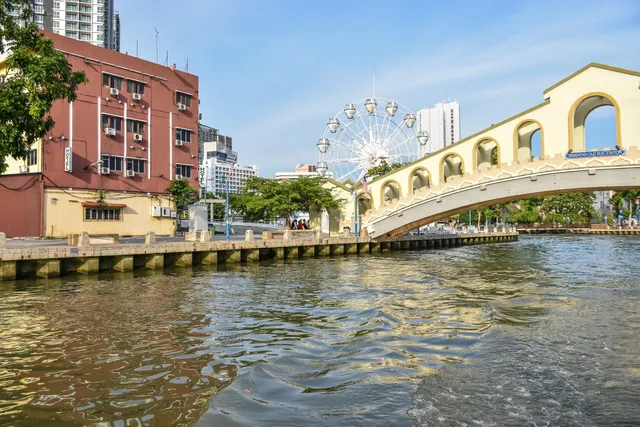
Melaka River Cruise Jeti Quayside
4.3
(3.7K)
Open until 11:00 PM
Click for details
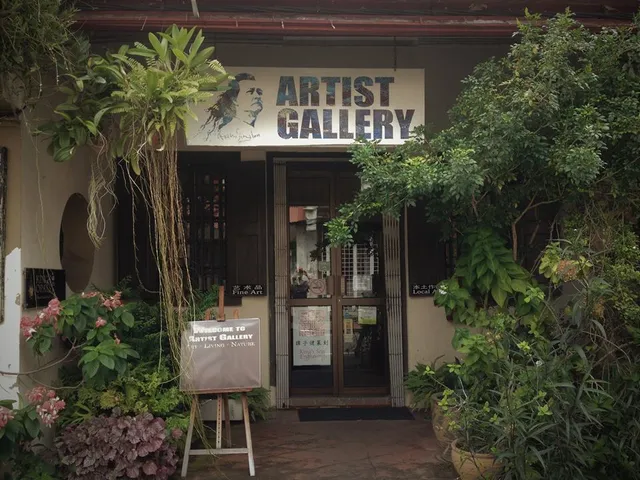
Tham Siew Inn Artist Gallery
4.8
(81)
Open until 6:00 PM
Click for details
Nearby restaurants of Baba & Nyonya Heritage Museum
The Daily Fix Cafe
Calanthe Art Cafe
The Baboon House
Jonker 88
Chop Tiang Bee Cafe 长美号
Mamee Jonker House
Geographér Café
Baked.
GravyBaby Melaka at Jonker Street
Famosa Chicken Rice Ball

The Daily Fix Cafe
4.4
(2K)
Open until 8:30 PM
Click for details
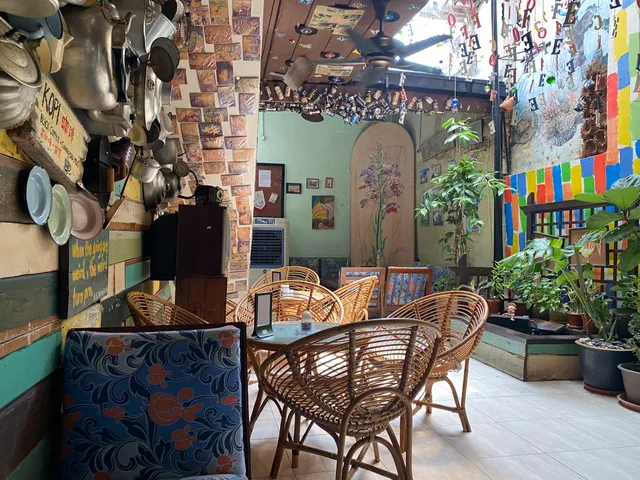
Calanthe Art Cafe
4.2
(1.1K)
Open until 10:00 PM
Click for details
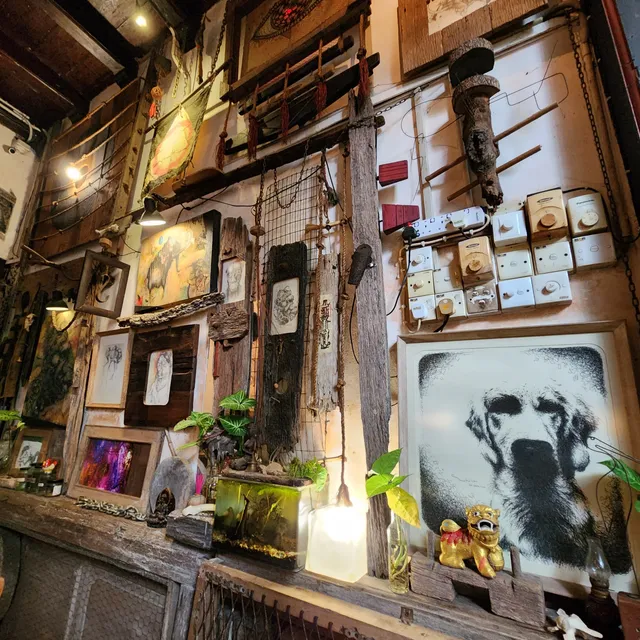
The Baboon House
4.6
(1.2K)
Open until 12:00 AM
Click for details
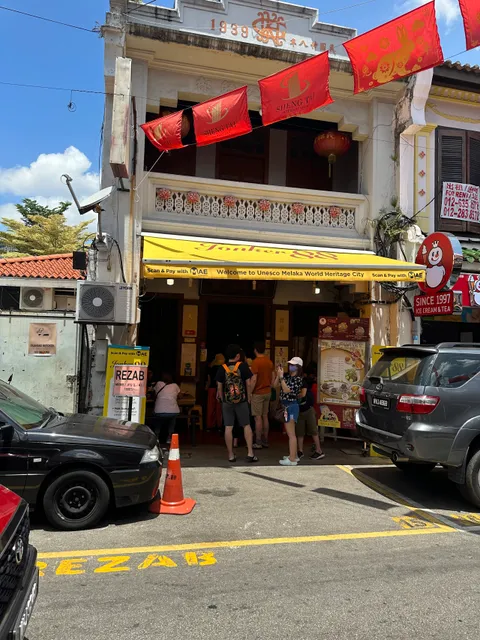
Jonker 88
3.8
(1.8K)
Open until 7:00 PM
Click for details
Nearby local services of Baba & Nyonya Heritage Museum
The Royal Press
Malacca Hokkien Huay Kuan
Bastion Middleburg , Vereenigde Oostindische Compagnie ( VOC ) Fort in Malakka
Sunday Morning Flea Market
Malacca Heritage Centre
Malacca River Cruise
MELAKA RIVER CRUISE COUNTER TIKET
International Zheng He Research Academy
Melaka Sultanate Palace Museum
Teo Chew Hui Kuan, Melaka
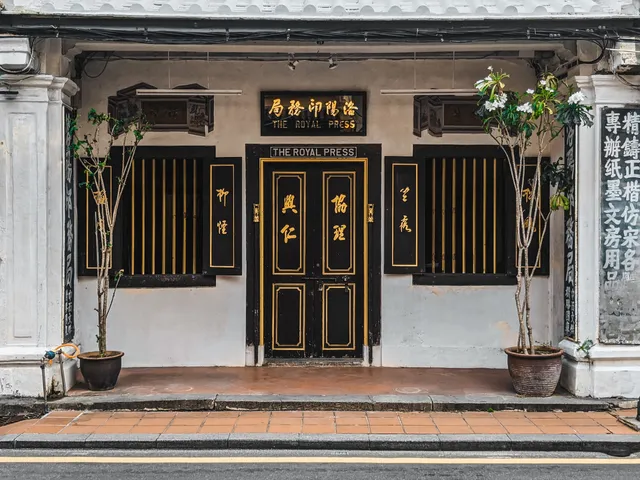
The Royal Press
4.6
(70)
Click for details
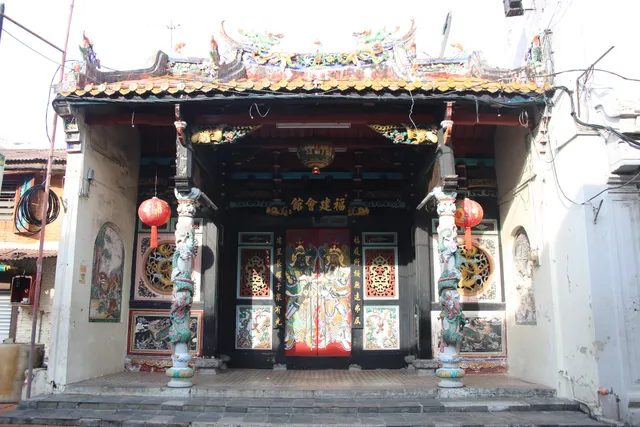
Malacca Hokkien Huay Kuan
4.4
(43)
Click for details
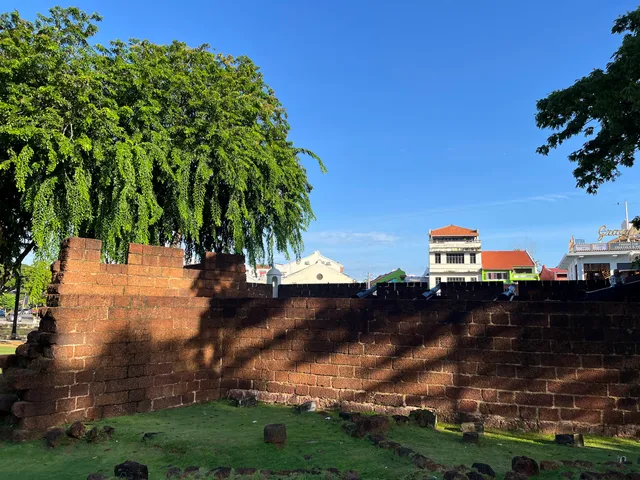
Bastion Middleburg , Vereenigde Oostindische Compagnie ( VOC ) Fort in Malakka
4.4
(56)
Click for details
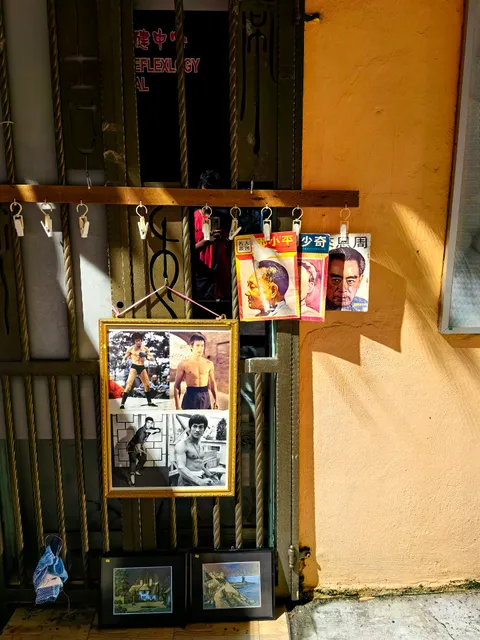
Sunday Morning Flea Market
4.3
(22)
Click for details