Cheng Hoon Teng Temple things to do, attractions, restaurants, events info and trip planning
Basic Info
Cheng Hoon Teng Temple
25, Jalan Tokong, Kampung Dua, 75200 Melaka, Malaysia
4.5(1.2K)
Open until 6:30 PM
Save
spot
spot
Ratings & Description
Info
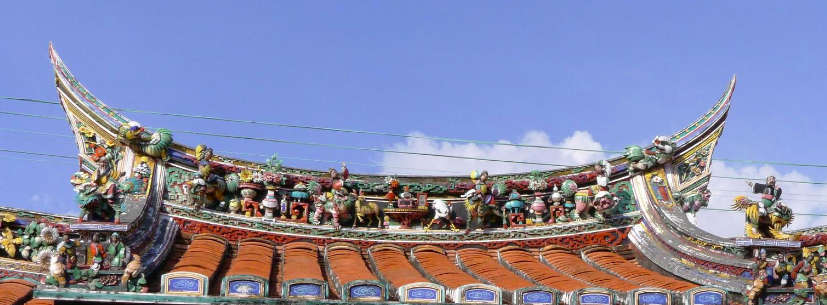
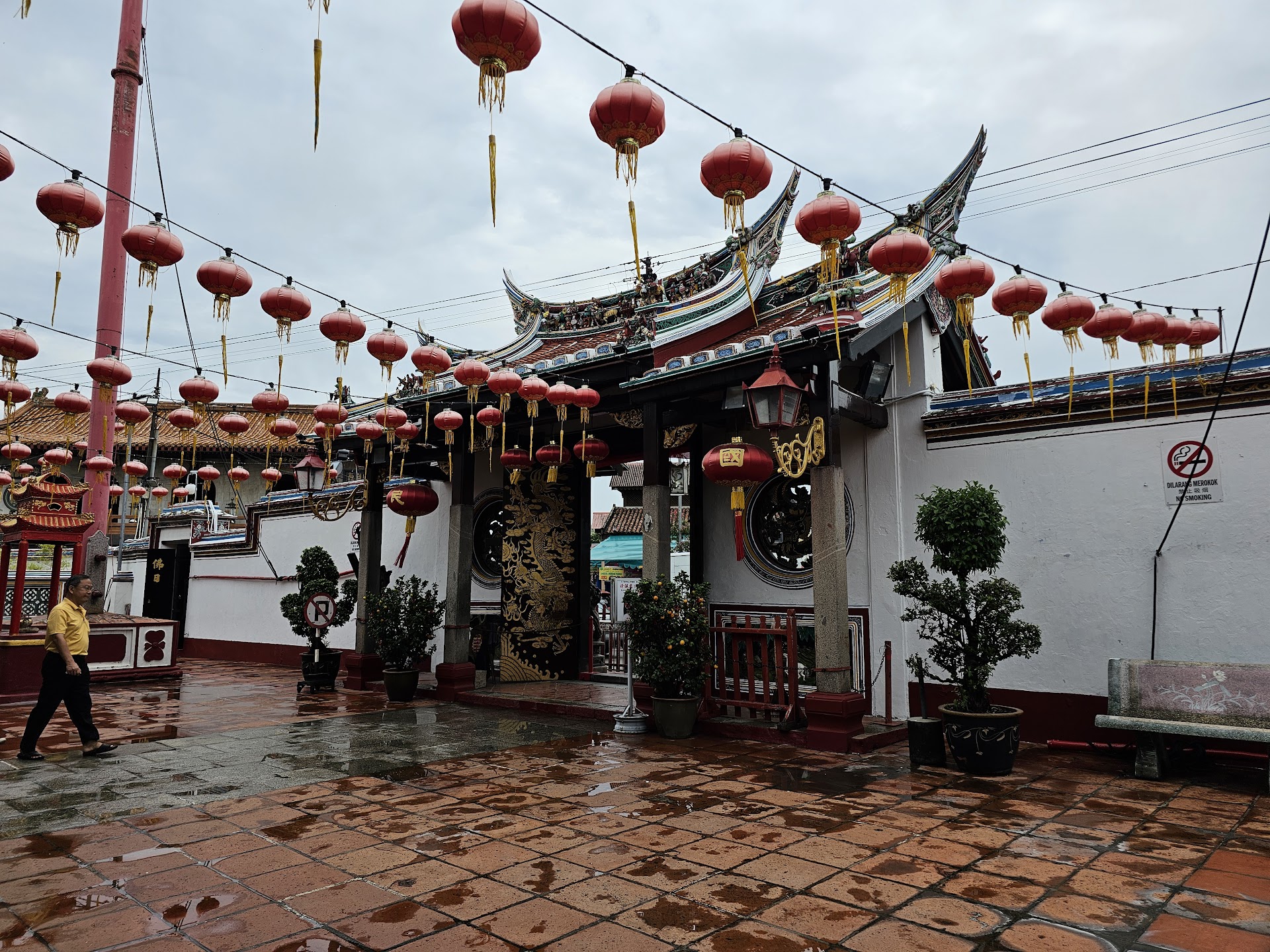
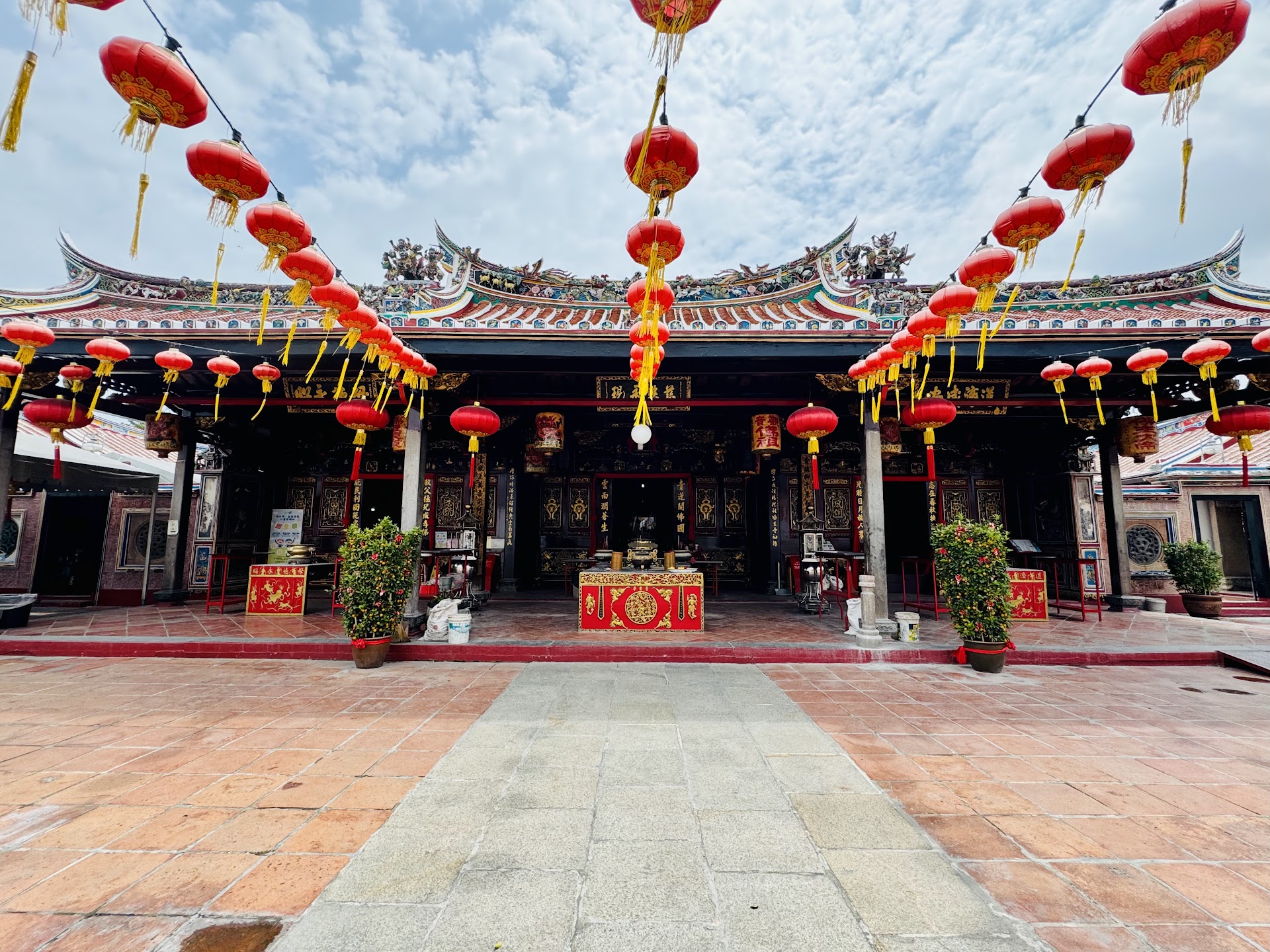
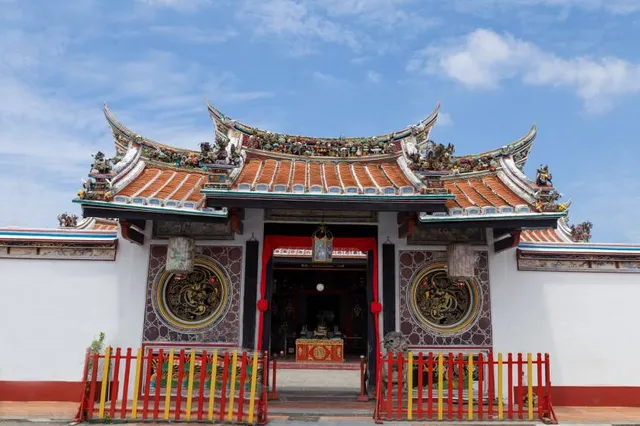
The Cheng Hoon Teng Temple is a Chinese temple practising the Three Doctrinal Systems of Buddhism, Confucianism and Taoism located at No. 25 Jalan Tokong, Malacca City, Malaysia. It is the oldest functioning temple in the country.
Cultural
Accessibility
attractions: Jonker Walk Melaka, Jonker Walk World Heritage Park, Jonker Street Night Market, Ghost Museum Melaka, Kampung Kling Mosque, Kampung Hulu Mosque, Melaka, Xiang Lin Si Temple, Baba & Nyonya Heritage Museum, Arulmiku Poyyatha Vinayaga Moorthy Temple, Taman Warisan Dunia Jonker Walk, restaurants: Jonker 88, Baked., The Daily Fix Cafe, Geographér Café, Malaiqa By Gula Cakery, MAMASITA MEXICAN RESTAURANT & TAPAS BAR, The Butter_MY, Heesan Kopi, MIXUE @ Jonker Walk, TUMIS, local businesses: The Royal Press, Sunday Morning Flea Market, Malacca Hokkien Huay Kuan, Teo Chew Hui Kuan, Melaka, Malacca Heritage Centre, Malacca River Cruise, Bastion Middleburg , Vereenigde Oostindische Compagnie ( VOC ) Fort in Malakka, International Zheng He Research Academy, Chinatown Melaka, Melaka Sultanate Palace Museum
 Learn more insights from Wanderboat AI.
Phone
+60 6-282 9343
Website
chenghoonteng.org.my
Open hoursSee all hours
Sat7 AM - 6:30 PMOpen
Plan your stay

Pet-friendly Hotels in Malacca
Find a cozy hotel nearby and make it a full experience.

Affordable Hotels in Malacca
Find a cozy hotel nearby and make it a full experience.

The Coolest Hotels You Haven't Heard Of (Yet)
Find a cozy hotel nearby and make it a full experience.

Trending Stays Worth the Hype in Malacca
Find a cozy hotel nearby and make it a full experience.
Reviews
Live events
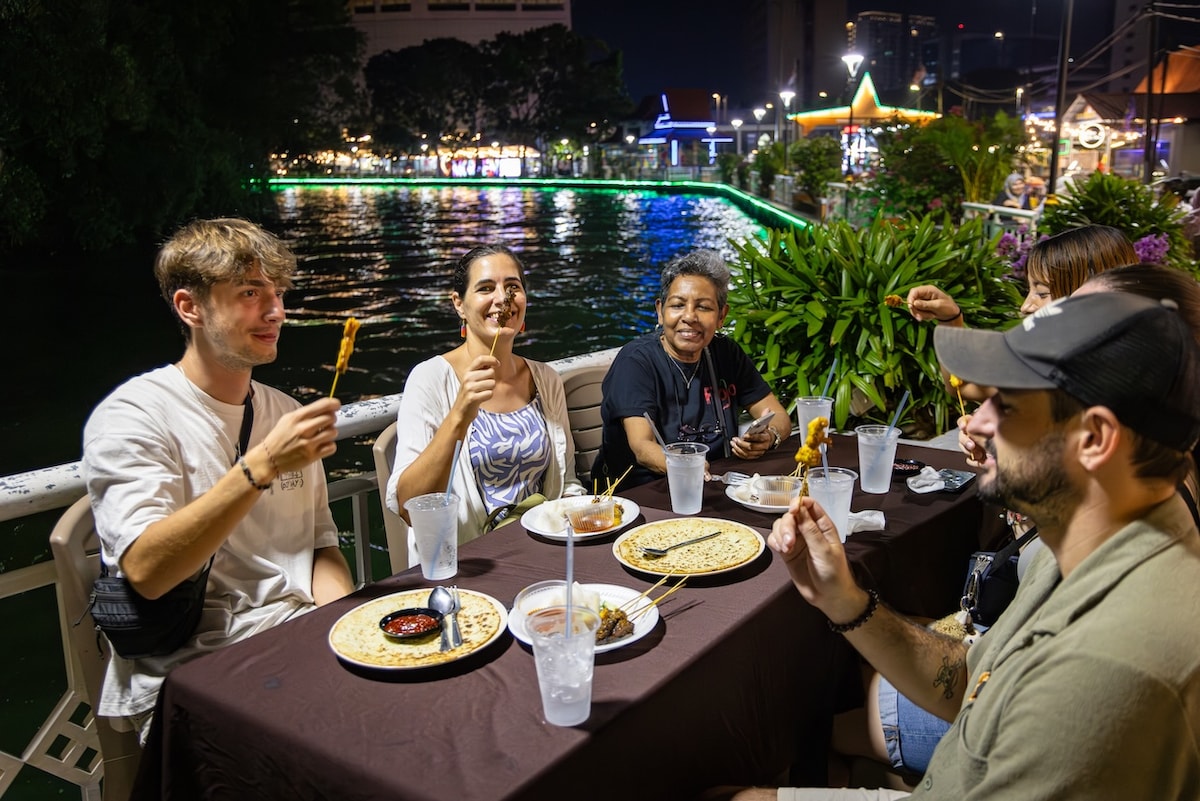
Melaka After-Dark Food Tour
Sat, Feb 21 • 6:00 PM
75200, Malacca, Malacca, Malaysia
View details
Nearby attractions of Cheng Hoon Teng Temple
Jonker Walk Melaka
Jonker Walk World Heritage Park
Jonker Street Night Market
Ghost Museum Melaka
Kampung Kling Mosque
Kampung Hulu Mosque, Melaka
Xiang Lin Si Temple
Baba & Nyonya Heritage Museum
Arulmiku Poyyatha Vinayaga Moorthy Temple
Taman Warisan Dunia Jonker Walk

Jonker Walk Melaka
4.4
(2.1K)
Closed
Click for details
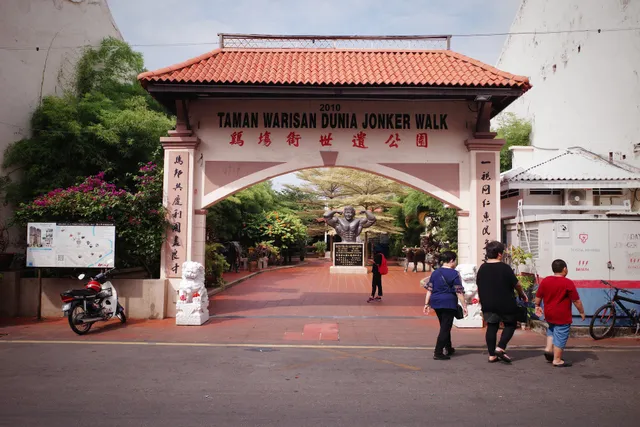
Jonker Walk World Heritage Park
4.7
(475)
Open until 12:00 AM
Click for details
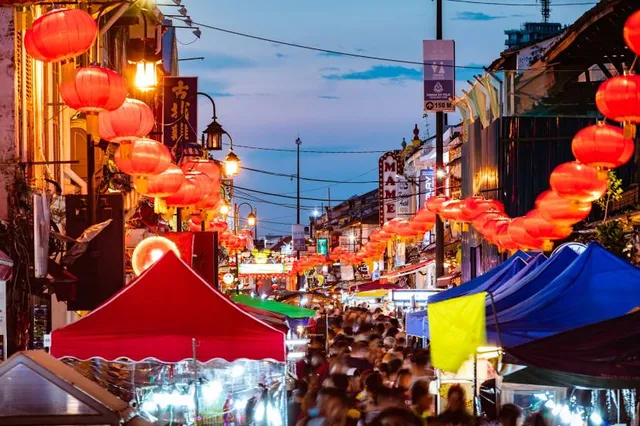
Jonker Street Night Market
4.3
(11.9K)
Closed
Click for details

Ghost Museum Melaka
4.8
(772)
Open until 7:00 PM
Click for details
Nearby restaurants of Cheng Hoon Teng Temple
Jonker 88
Baked.
The Daily Fix Cafe
Geographér Café
Malaiqa By Gula Cakery
MAMASITA MEXICAN RESTAURANT & TAPAS BAR
The Butter_MY
Heesan Kopi
MIXUE @ Jonker Walk
TUMIS
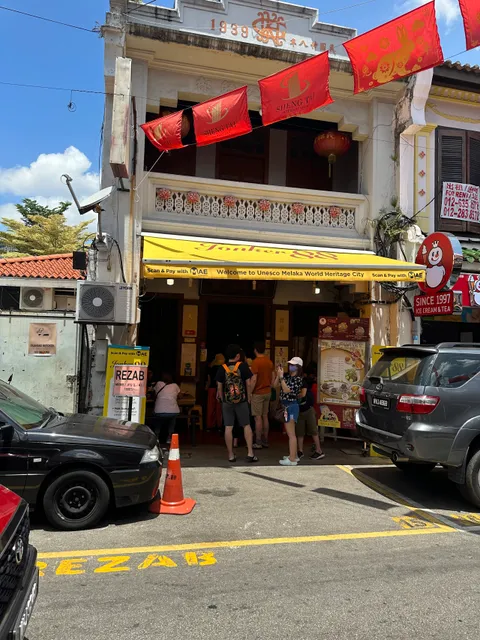
Jonker 88
3.8
(1.8K)
Open until 7:30 PM
Click for details
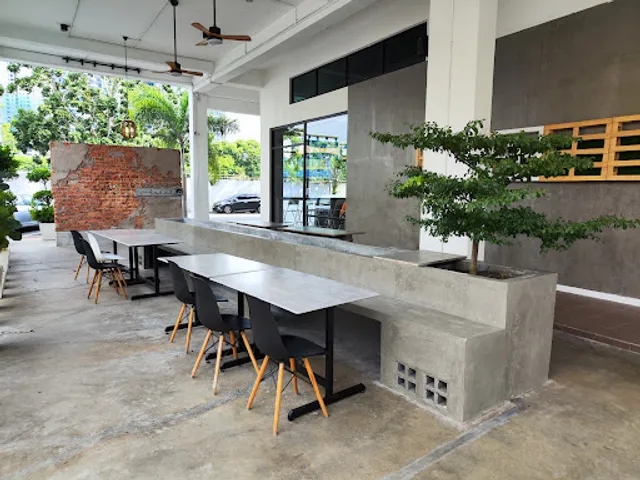
Baked.
4.8
(1.3K)
Open until 7:30 PM
Click for details

The Daily Fix Cafe
4.4
(2K)
Open until 5:30 PM
Click for details
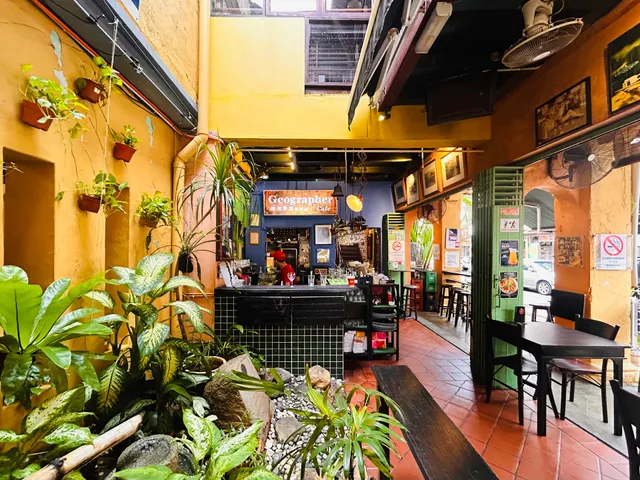
Geographér Café
4.2
(1.3K)
Open until 12:00 AM
Click for details
Nearby local services of Cheng Hoon Teng Temple
The Royal Press
Sunday Morning Flea Market
Malacca Hokkien Huay Kuan
Teo Chew Hui Kuan, Melaka
Malacca Heritage Centre
Malacca River Cruise
Bastion Middleburg , Vereenigde Oostindische Compagnie ( VOC ) Fort in Malakka
International Zheng He Research Academy
Chinatown Melaka
Melaka Sultanate Palace Museum
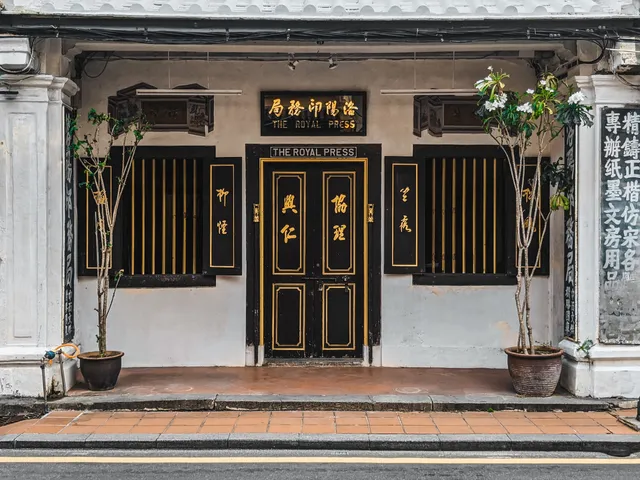
The Royal Press
4.6
(70)
Click for details
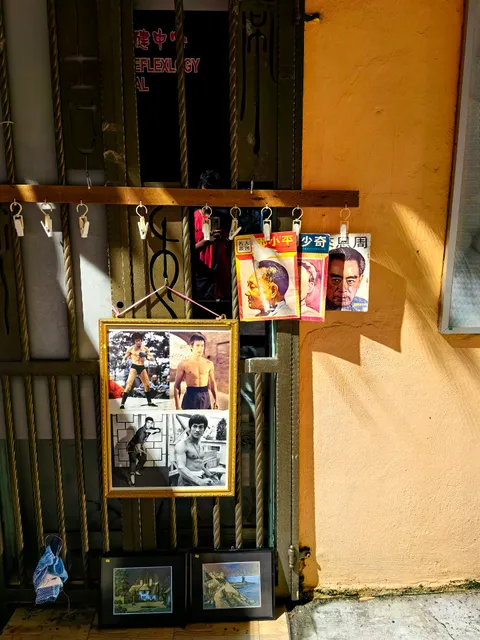
Sunday Morning Flea Market
4.3
(22)
Click for details
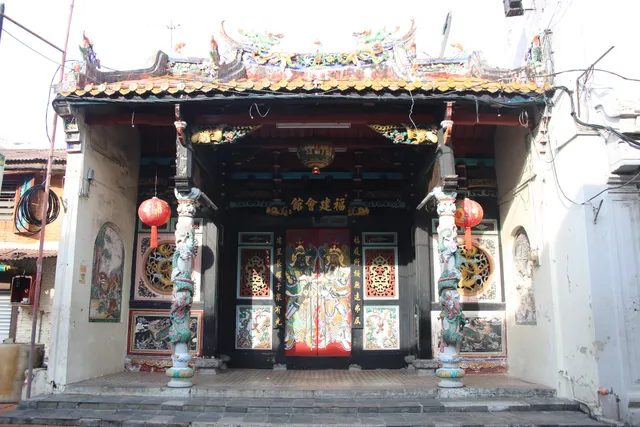
Malacca Hokkien Huay Kuan
4.4
(43)
Click for details
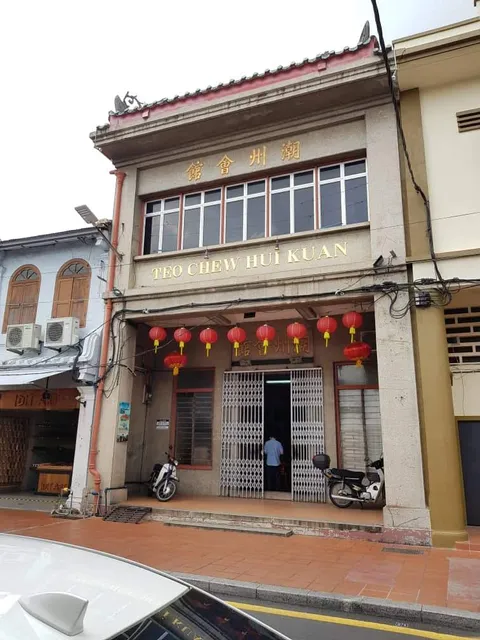
Teo Chew Hui Kuan, Melaka
4.8
(10)
Click for details