National Center for Civil and Human Rights things to do, attractions, restaurants, events info and trip planning
Basic Info
National Center for Civil and Human Rights
100 Ivan Allen Jr Blvd NW, Atlanta, GA 30313
4.8(1.8K)
Closed
tickets
Save
spot
spot
Ratings & Description
Info
The National Center for Civil and Human Rights is a museum dedicated to the achievements of the civil rights movement in the United States and the broader worldwide human rights movement. Located in downtown Atlanta, Georgia, the museum opened to the public on June 23, 2014.
Cultural
Accessibility
Family friendly
attractions: Georgia Aquarium, Pemberton Place, Children's Museum of Atlanta, Georgia Aquarium, Centennial Olympic Park, World of Coca-cola, World of Coca-Cola, College Football Hall of Fame, Ventanas, SkyView Atlanta, restaurants: Atlanta Breakfast Club, Suite Food Lounge, Bottle Cap Café, Dos Bocas, Coastline Café, Max's Coal Oven Pizzeria, The Yard Milkshake Bar Atlanta - Centennial Park, Park27 Korean BBQ and Bar - Centennial Park, Der Biergarten, The Terrace at Suite Lounge, local businesses: Lanier Parking (Georgia Aquarium Parking Garage), Coca-Cola Store, The Peachtree Trolley Co., Georgia Aquarium Gift Shop, Green Deck, Tea Around Town, Atlanta Union Mission, Coca-Cola Store Atlanta, Masina Diamonds, Sand Dollars Gift Shop
 Learn more insights from Wanderboat AI.
Phone
(678) 999-8990
Website
civilandhumanrights.org
Open hoursSee all hours
Sun12 - 5 PMClosed
Plan your stay

Pet-friendly Hotels in Atlanta
Find a cozy hotel nearby and make it a full experience.

Affordable Hotels in Atlanta
Find a cozy hotel nearby and make it a full experience.

The Coolest Hotels You Haven't Heard Of (Yet)
Find a cozy hotel nearby and make it a full experience.

Trending Stays Worth the Hype in Atlanta
Find a cozy hotel nearby and make it a full experience.
Reviews
Live events

Candle making in Atlanta
Mon, Feb 16 • 2:00 PM
Atlanta, Georgia, 30312
View details

Serial Killer: The Exhibition World Tour
Wed, Feb 18 • 2:00 PM
225 Rogers Street Northeast, Atlanta, 30317
View details

Decepta Con XI - 2026
Fri, Feb 13 • 5:00 PM
111 Perimeter Center West Atlanta, GA 30346
View details
Nearby attractions of National Center for Civil and Human Rights
Georgia Aquarium
Pemberton Place
Children's Museum of Atlanta
Georgia Aquarium
Centennial Olympic Park
World of Coca-cola
World of Coca-Cola
College Football Hall of Fame
Ventanas
SkyView Atlanta
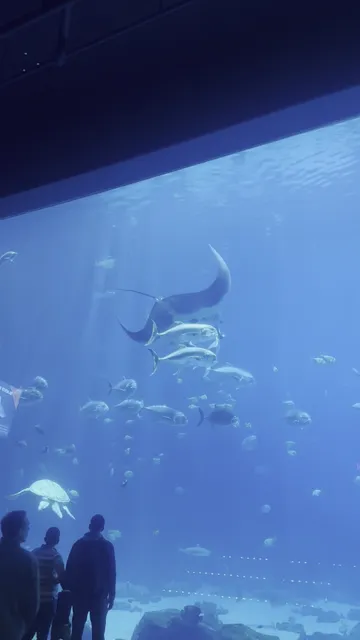
Georgia Aquarium
4.7
(30.3K)
Open 24 hours
Click for details
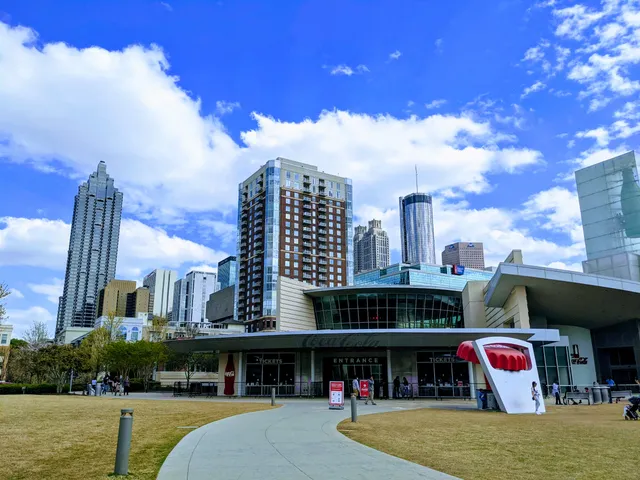
Pemberton Place
4.6
(1.8K)
Closed
Click for details
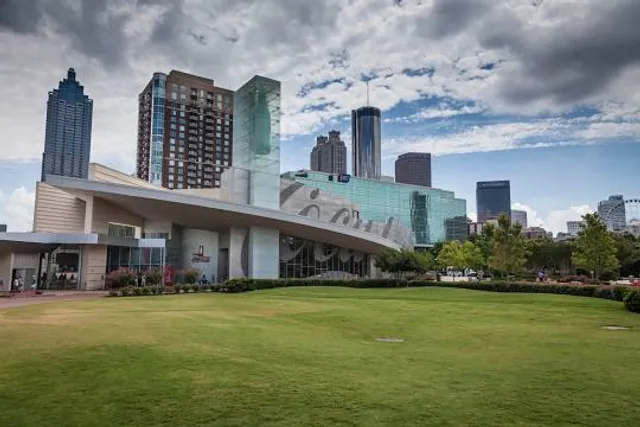
Children's Museum of Atlanta
4.4
(1.4K)
Closed
Click for details
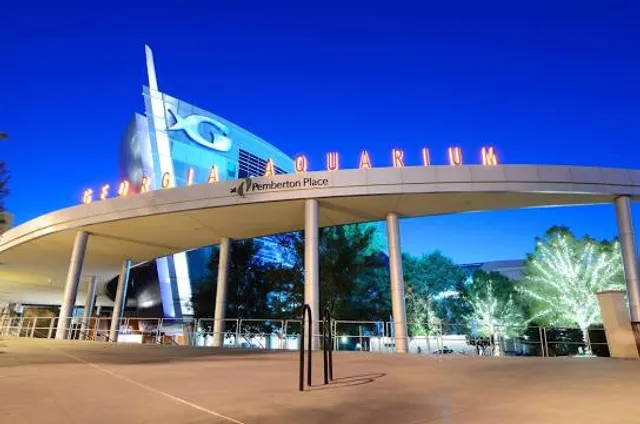
Georgia Aquarium
4.7
(384)
Open 24 hours
Click for details
Nearby restaurants of National Center for Civil and Human Rights
Atlanta Breakfast Club
Suite Food Lounge
Bottle Cap Café
Dos Bocas
Coastline Café
Max's Coal Oven Pizzeria
The Yard Milkshake Bar Atlanta - Centennial Park
Park27 Korean BBQ and Bar - Centennial Park
Der Biergarten
The Terrace at Suite Lounge
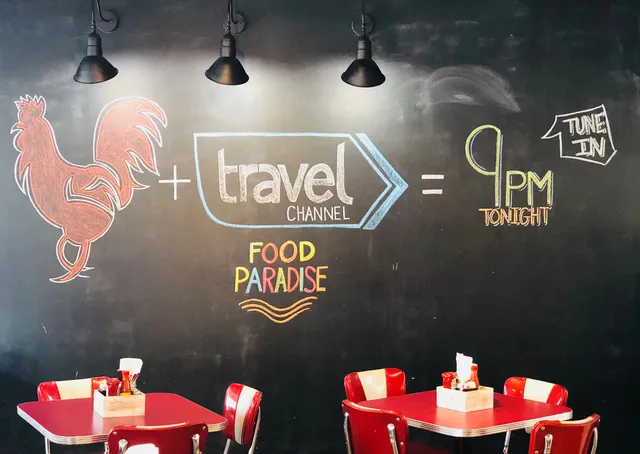
Atlanta Breakfast Club
4.5
(3.8K)
$$
Closed
Click for details
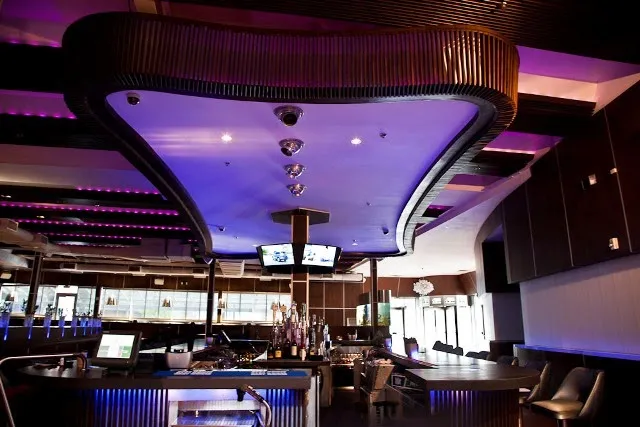
Suite Food Lounge
4.1
(2.5K)
$$
Closed
Click for details
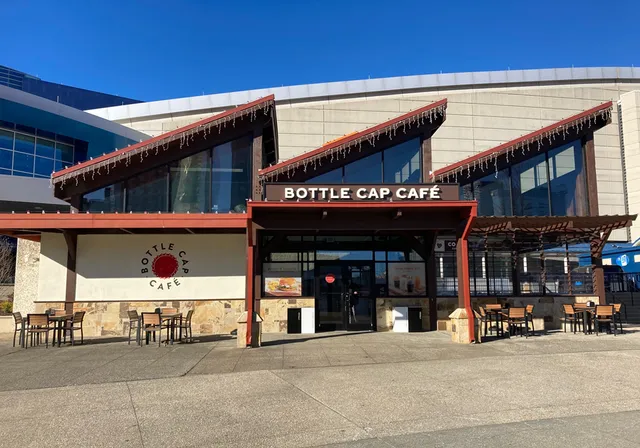
Bottle Cap Café
2.6
(82)
$
Closed
Click for details
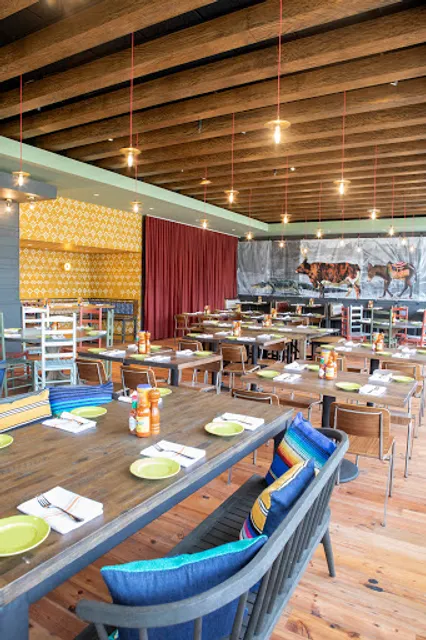
Dos Bocas
4.1
(532)
$$
Closed
Click for details
Nearby local services of National Center for Civil and Human Rights
Lanier Parking (Georgia Aquarium Parking Garage)
Coca-Cola Store
The Peachtree Trolley Co.
Georgia Aquarium Gift Shop
Green Deck
Tea Around Town
Atlanta Union Mission
Coca-Cola Store Atlanta
Masina Diamonds
Sand Dollars Gift Shop
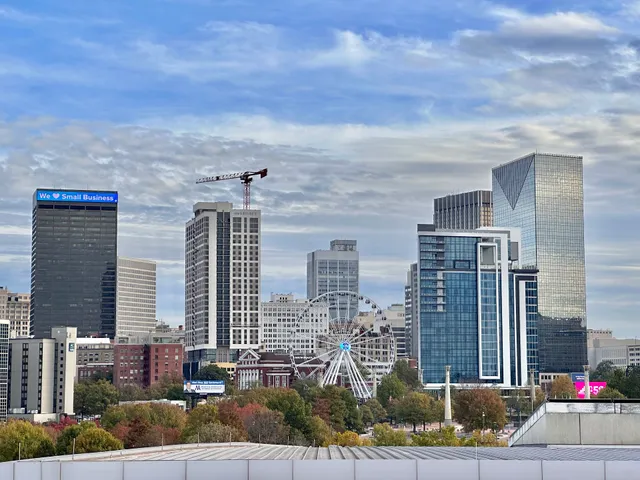
Lanier Parking (Georgia Aquarium Parking Garage)
4.2
(383)
Click for details
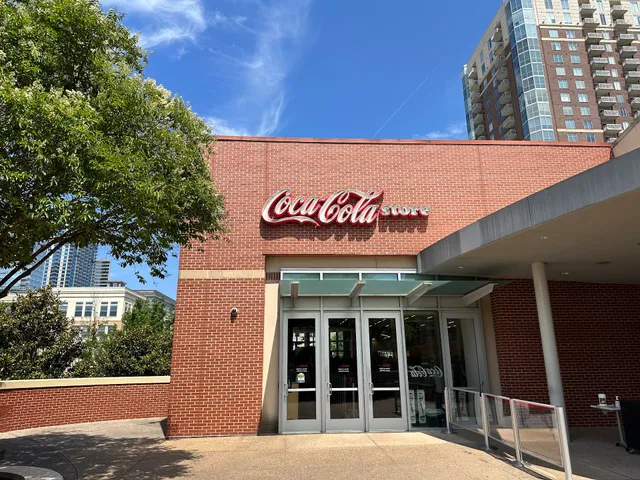
Coca-Cola Store
4.3
(31)
Click for details
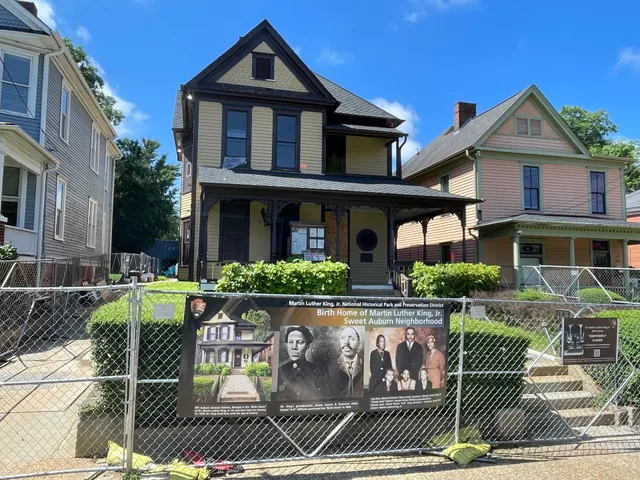
The Peachtree Trolley Co.
4.9
(679)
Click for details

Georgia Aquarium Gift Shop
4.3
(76)
Click for details


The hit list


Plan your trip with Wanderboat
Welcome to Wanderboat AI, your AI search for local Eats and Fun, designed to help you explore your city and the world with ease.
Powered by Wanderboat AI trip planner.