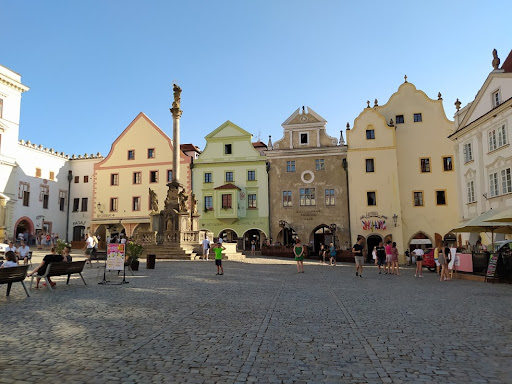
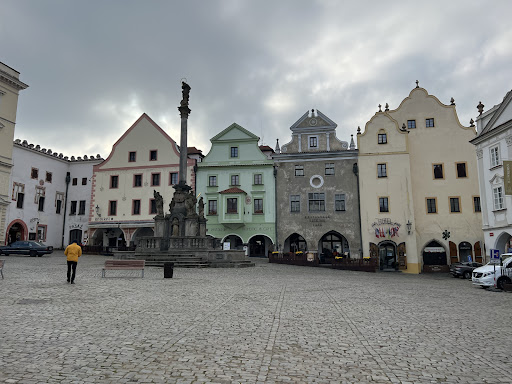
Fountain and Plague Column things to do, attractions, restaurants, events info and trip planning
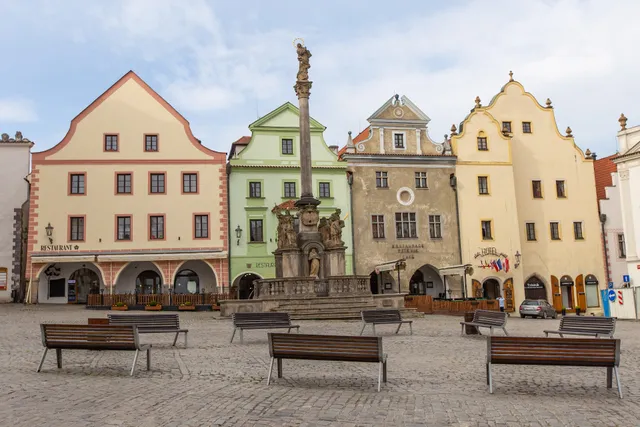
Basic Info
Fountain and Plague Column
nám. Svornosti 10, 381 01 Český Krumlov 1-Vnitřní Město, Czechia
4.7(326)
Open until 12:00 AM
Save
spot
spot
Ratings & Description
Info
Cultural
Scenic
attractions: Státní hrad a zámek Český Krumlov, Státní hrad a zámek Český Krumlov, Church of St. Vitus, Wax Museum, Český Krumlov Castle Tower, Egon Schiele Art Centrum, Lazebnický most, Museum Of Commerce, Museum Fotoatelier Seidel, Regional Museum in the Czech Krumlov, restaurants: Krčma Šatlava, Authentic cafe, Hospoda Na Louži, MY SAIGON, Penzion a restaurace Maštal, Bistro Měšťák, Můstek Beer&Burger, Tavern of the Two Maries, Restaurant Bohemia, Don Julius Restaurant Český Krumlov, local businesses: State Castle and Chateau Český Krumlov, Penzion Thallerův Dům, Residence Muzeum vltavínů, Kebab House, City park, Pension Nostalgie, Pension U hada, Candyshop Česky Krumlov, Pension Alt Straninger, Pension Rosa
 Learn more insights from Wanderboat AI.
Open hoursSee all hours
ThuOpen 24 hoursOpen
Plan your stay

Pet-friendly Hotels in okres Český Krumlov
Find a cozy hotel nearby and make it a full experience.

Affordable Hotels in okres Český Krumlov
Find a cozy hotel nearby and make it a full experience.

The Coolest Hotels You Haven't Heard Of (Yet)
Find a cozy hotel nearby and make it a full experience.

Trending Stays Worth the Hype in okres Český Krumlov
Find a cozy hotel nearby and make it a full experience.
Reviews
Nearby attractions of Fountain and Plague Column
Státní hrad a zámek Český Krumlov
Státní hrad a zámek Český Krumlov
Church of St. Vitus
Wax Museum
Český Krumlov Castle Tower
Egon Schiele Art Centrum
Lazebnický most
Museum Of Commerce
Museum Fotoatelier Seidel
Regional Museum in the Czech Krumlov
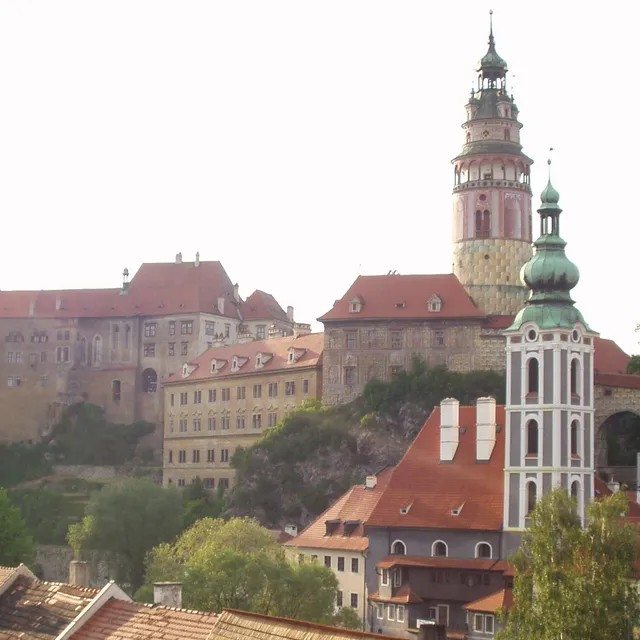
Státní hrad a zámek Český Krumlov
4.8
(10.8K)
Closed
Click for details
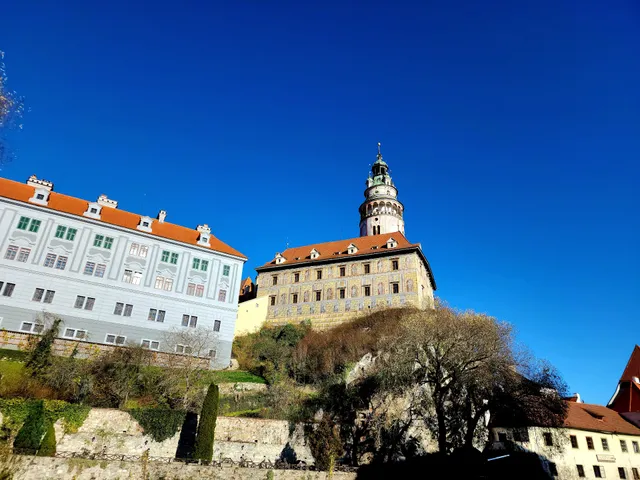
Státní hrad a zámek Český Krumlov
4.8
(10.2K)
Closed
Click for details
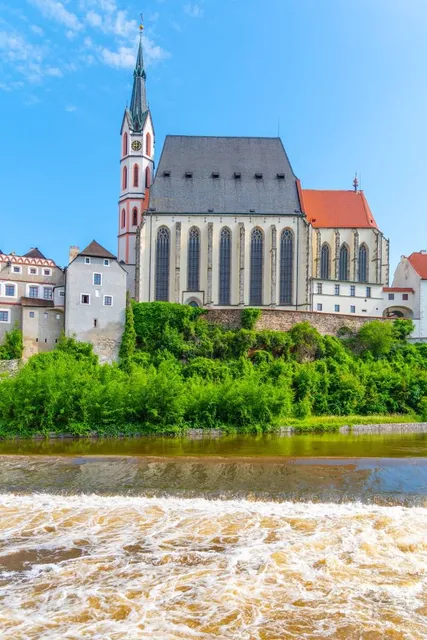
Church of St. Vitus
4.7
(503)
Closed
Click for details
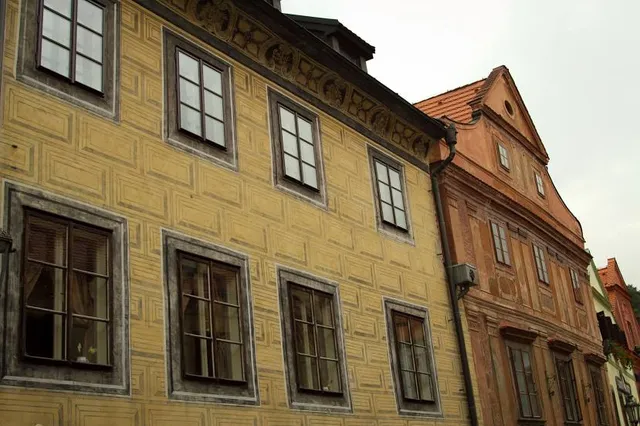
Wax Museum
4.5
(312)
Closed
Click for details
Nearby restaurants of Fountain and Plague Column
Krčma Šatlava
Authentic cafe
Hospoda Na Louži
MY SAIGON
Penzion a restaurace Maštal
Bistro Měšťák
Můstek Beer&Burger
Tavern of the Two Maries
Restaurant Bohemia
Don Julius Restaurant Český Krumlov
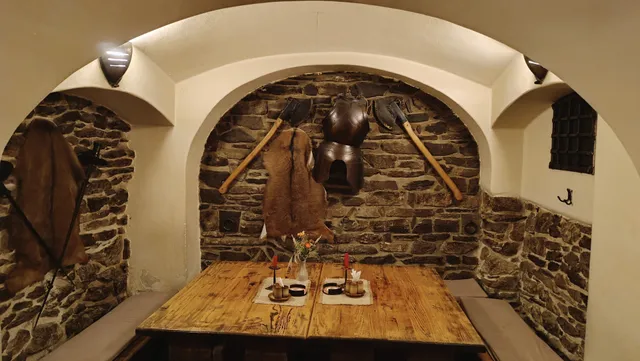
Krčma Šatlava
4.3
(2.2K)
Closed
Click for details
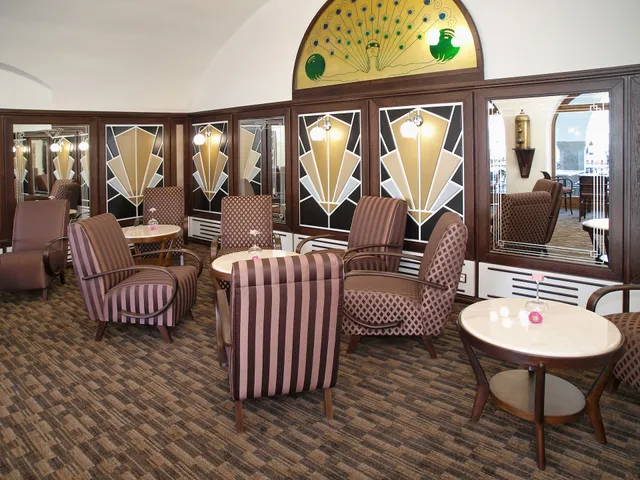
Authentic cafe
4.6
(576)
Closed
Click for details
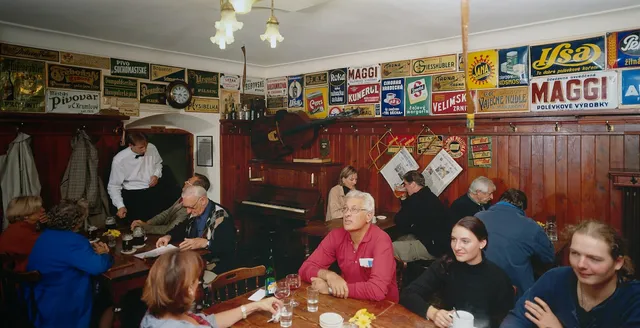
Hospoda Na Louži
4.2
(1.0K)
$$
Closed
Click for details
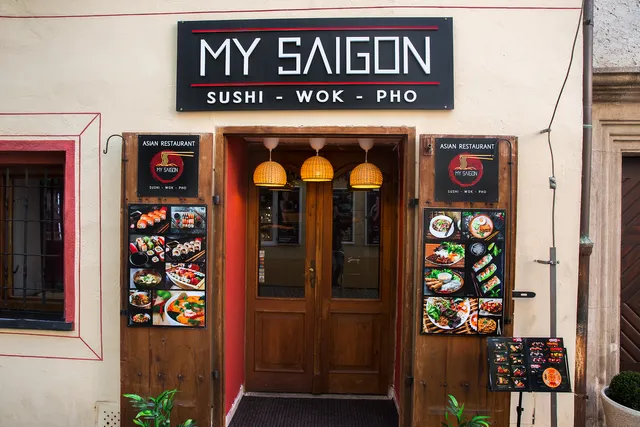
MY SAIGON
4.6
(847)
Closed
Click for details
Nearby local services of Fountain and Plague Column
State Castle and Chateau Český Krumlov
Penzion Thallerův Dům
Residence Muzeum vltavínů
Kebab House
City park
Pension Nostalgie
Pension U hada
Candyshop Česky Krumlov
Pension Alt Straninger
Pension Rosa
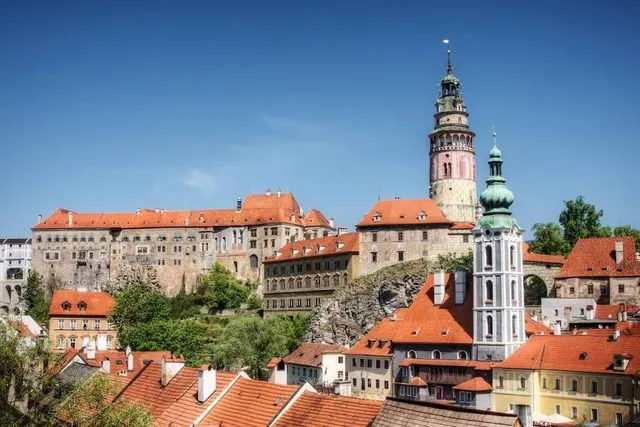
State Castle and Chateau Český Krumlov
4.8
(9.2K)
Click for details
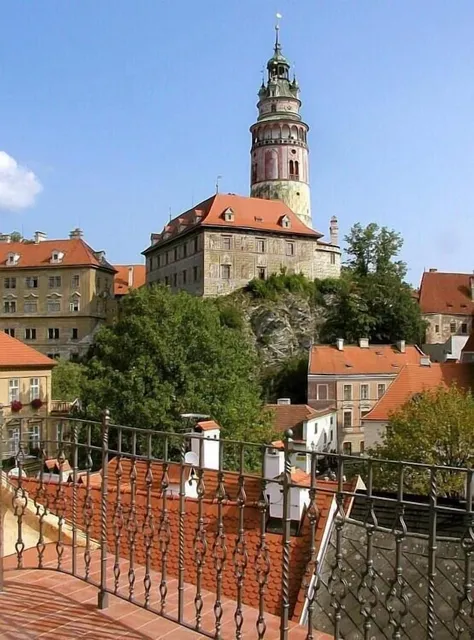
Penzion Thallerův Dům
4.4
(97)
Click for details
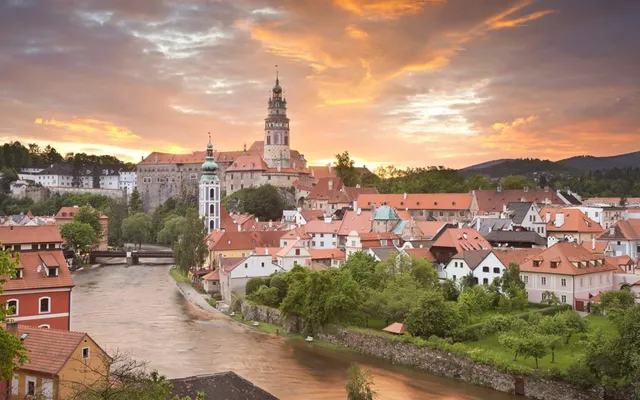
Residence Muzeum vltavínů
4.7
(95)
Click for details
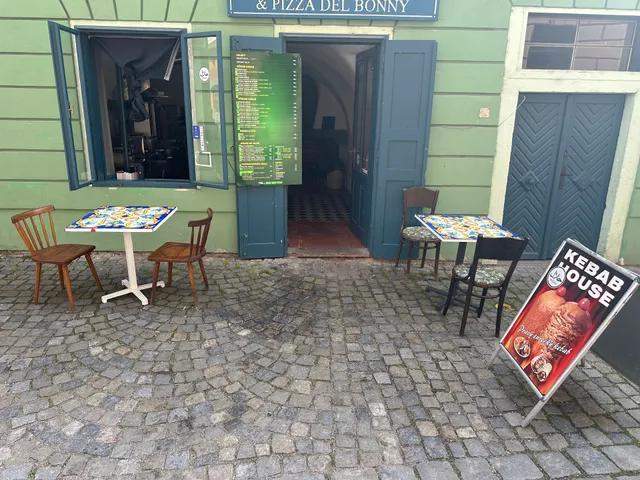
Kebab House
4.6
(433)
Click for details