Prague Meridian things to do, attractions, restaurants, events info and trip planning
Basic Info
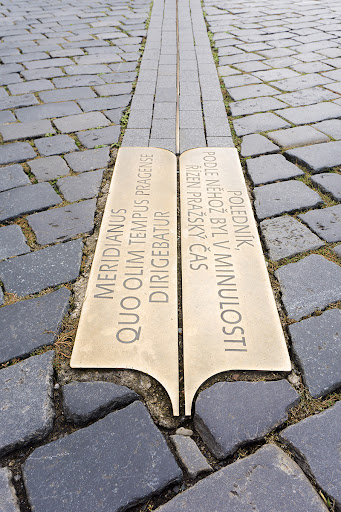
Prague Meridian
Staroměstské nám., 110 00 Josefov, Czechia
4.7(208)
Open until 12:00 AM
Save
spot
spot
Ratings & Description
Info
Cultural
attractions: Old Town Square, Prague Astronomical Clock, Church of Our Lady before Týn, Sex Machines Museum, Jan Hus monument, Staroměstská radnice, Central Gallery, Stone Bell House, Choco-Story: Prague Chocolate Museum, Steel Art Museum, restaurants: Restaurace Mincovna, Bar Restaurant Orloj, Ristorante Pizzeria Giovanni, Terasa U Prince, Brasileiro U Zelené žáby, Restaurace Mlejnice, Maitrea restaurace, Havelská Koruna, Steak, Cocktail bar El Toro Negro, Waxy Malone's, local businesses: Good Food Coffee & Bakery, National Gallery Prague – Kinsky Palace, Louis Vuitton, Botanicus Ungelt, Illusion Art Museum Prague, Cartier, Maisel Synagogue, MANUFAKTURA, DIOR Praha, Michalská 438/15
 Learn more insights from Wanderboat AI.
Open hoursSee all hours
SatOpen 24 hoursOpen
Plan your stay

Pet-friendly Hotels in Prague
Find a cozy hotel nearby and make it a full experience.

Affordable Hotels in Prague
Find a cozy hotel nearby and make it a full experience.

The Coolest Hotels You Haven't Heard Of (Yet)
Find a cozy hotel nearby and make it a full experience.

Trending Stays Worth the Hype in Prague
Find a cozy hotel nearby and make it a full experience.
Reviews
Live events
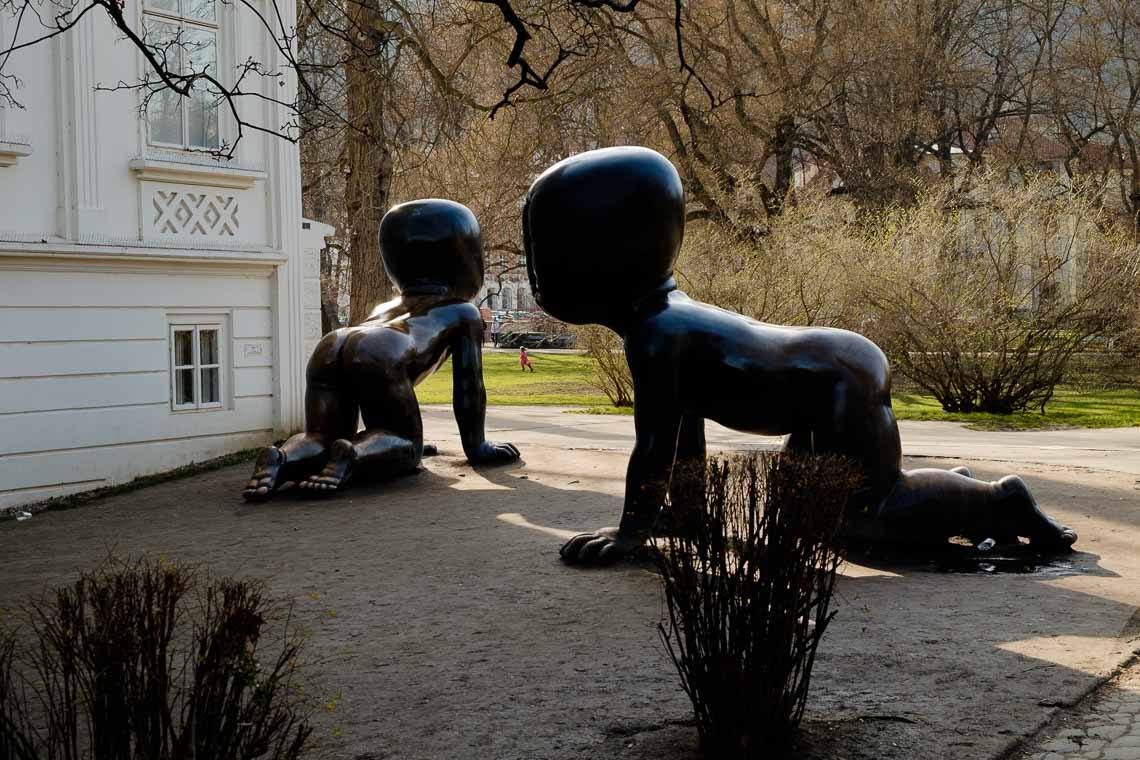
Unveil colorful Prague with a fun local historian
Sat, Feb 21 • 10:00 AM
110 00, Prague 1, Czechia
View details
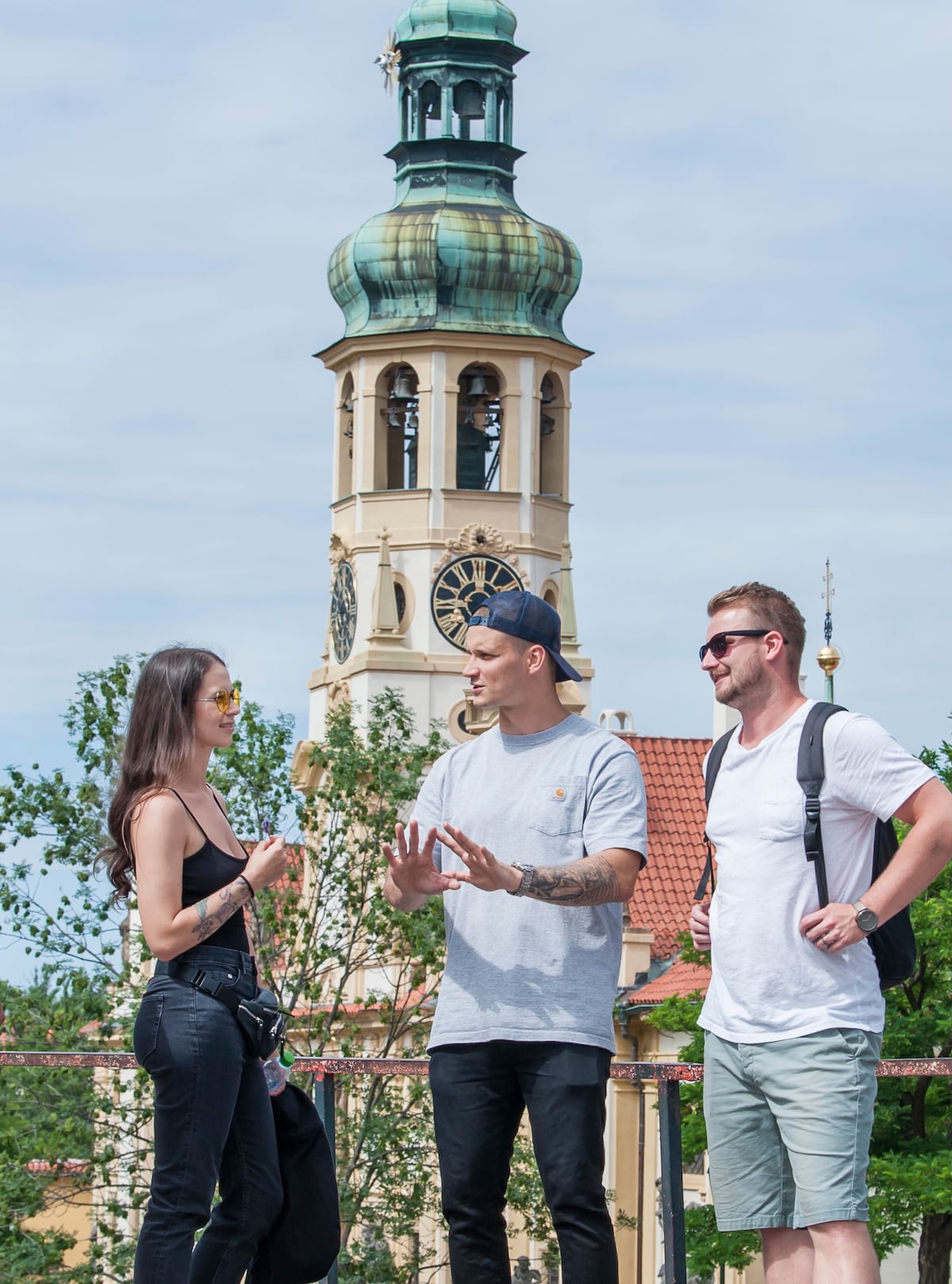
One Tour To Rule Them All ✌
Mon, Feb 23 • 10:30 AM
118 00, Prague 1, Czechia
View details
Nearby attractions of Prague Meridian
Old Town Square
Prague Astronomical Clock
Church of Our Lady before Týn
Sex Machines Museum
Jan Hus monument
Staroměstská radnice
Central Gallery
Stone Bell House
Choco-Story: Prague Chocolate Museum
Steel Art Museum
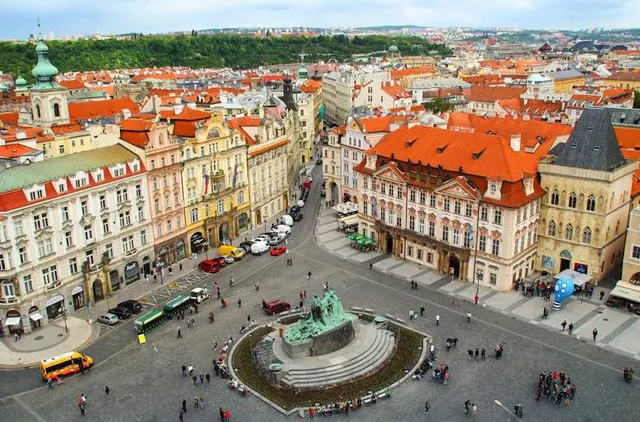
Old Town Square
4.8
(40.1K)
Open 24 hours
Click for details
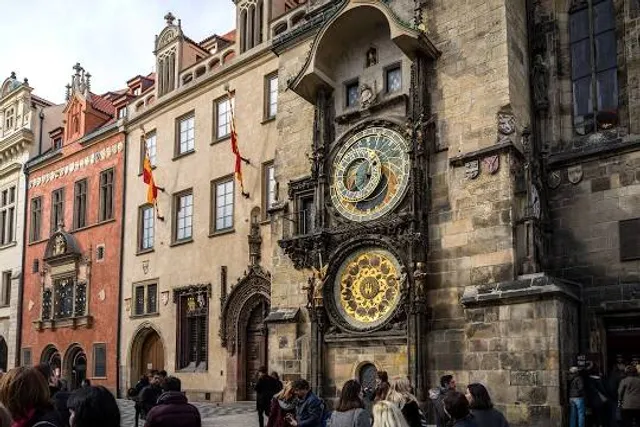
Prague Astronomical Clock
4.7
(29.4K)
Closed
Click for details
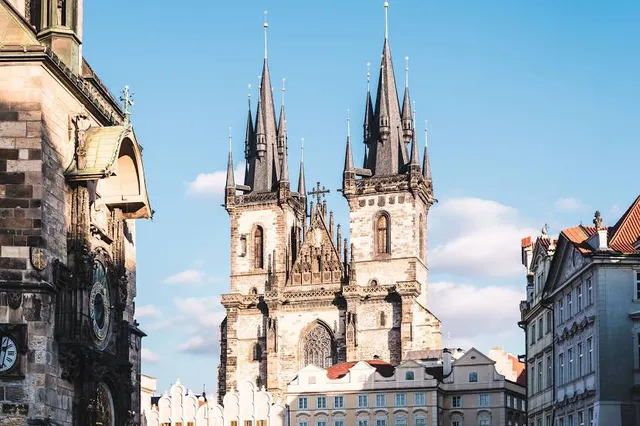
Church of Our Lady before Týn
4.7
(3.3K)
Closed
Click for details
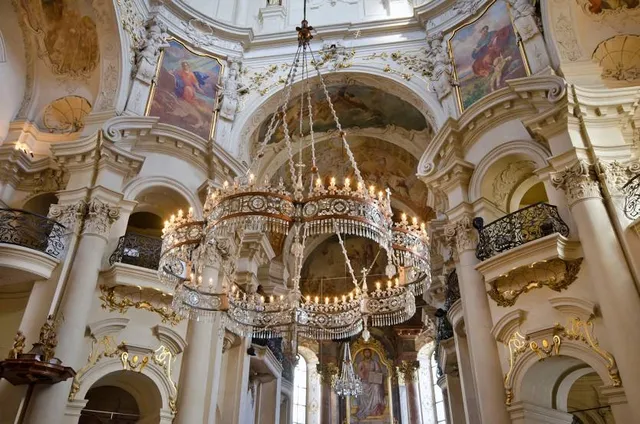
Sex Machines Museum
4.2
(5.2K)
Closed
Click for details
Nearby restaurants of Prague Meridian
Restaurace Mincovna
Bar Restaurant Orloj
Ristorante Pizzeria Giovanni
Terasa U Prince
Brasileiro U Zelené žáby
Restaurace Mlejnice
Maitrea restaurace
Havelská Koruna
Steak, Cocktail bar El Toro Negro
Waxy Malone's
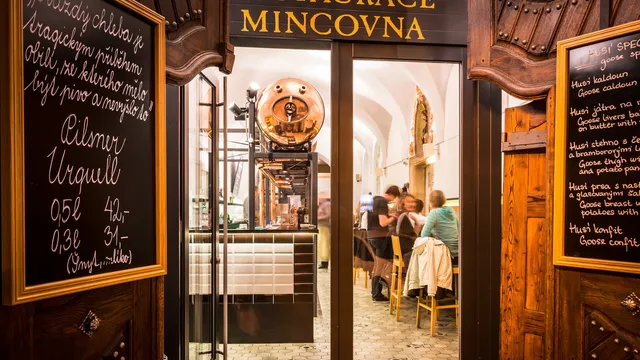
Restaurace Mincovna
4.5
(3K)
$$
Closed
Click for details
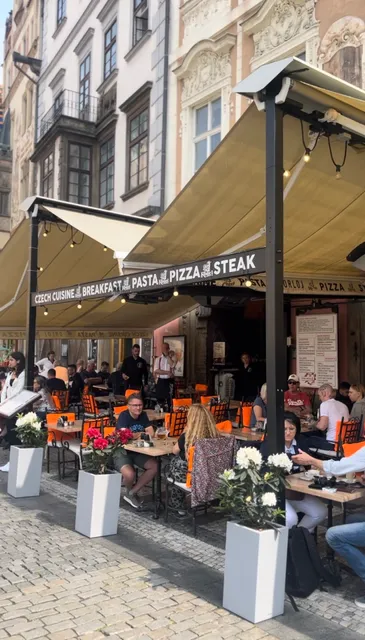
Bar Restaurant Orloj
4.1
(1.3K)
Closed
Click for details
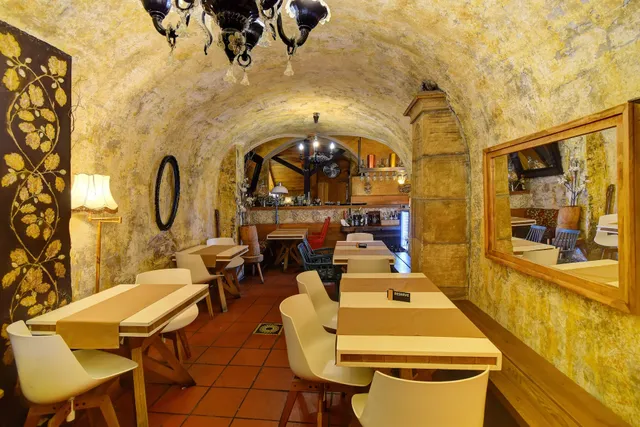
Ristorante Pizzeria Giovanni
4.2
(2.2K)
Closed
Click for details
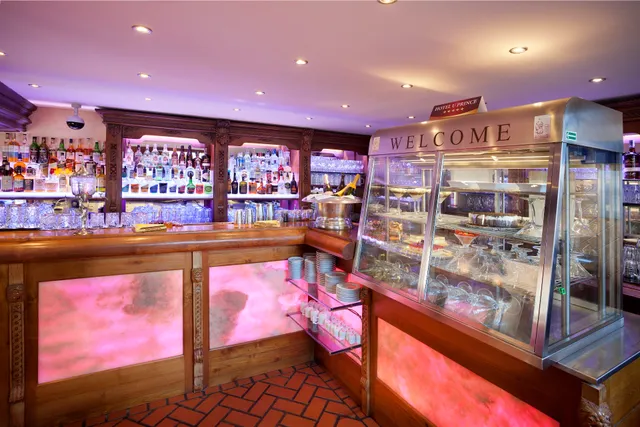
Terasa U Prince
4.0
(3.5K)
$$$
Closed
Click for details
Nearby local services of Prague Meridian
Good Food Coffee & Bakery
National Gallery Prague – Kinsky Palace
Louis Vuitton
Botanicus Ungelt
Illusion Art Museum Prague
Cartier
Maisel Synagogue
MANUFAKTURA
DIOR Praha
Michalská 438/15
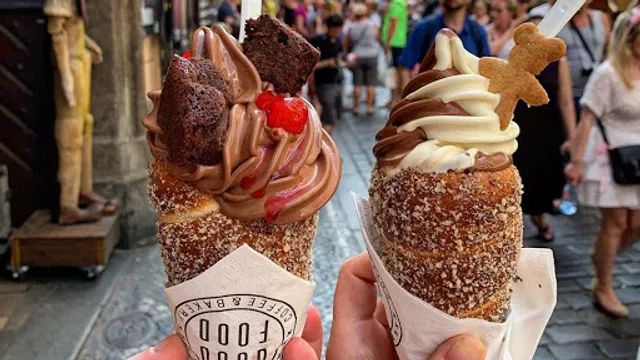
Good Food Coffee & Bakery
4.3
(1.8K)
Click for details

National Gallery Prague – Kinsky Palace
4.3
(686)
Click for details
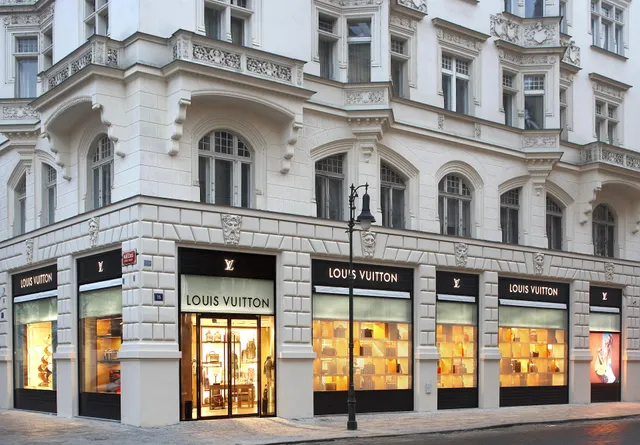
Louis Vuitton
4.0
(595)
Click for details
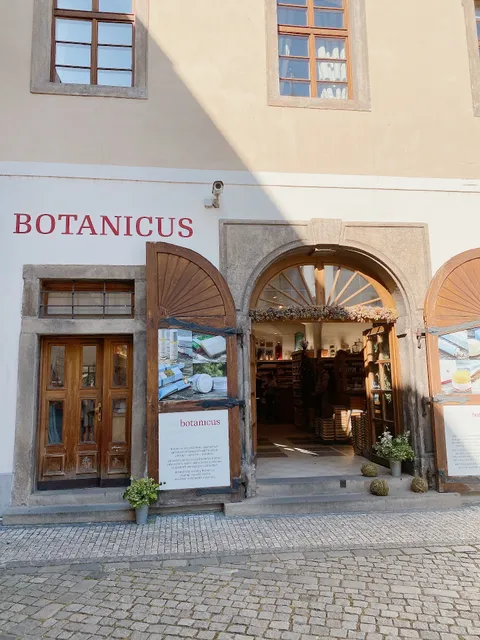
Botanicus Ungelt
4.2
(875)
Click for details