The House at the Minute things to do, attractions, restaurants, events info and trip planning

Basic Info
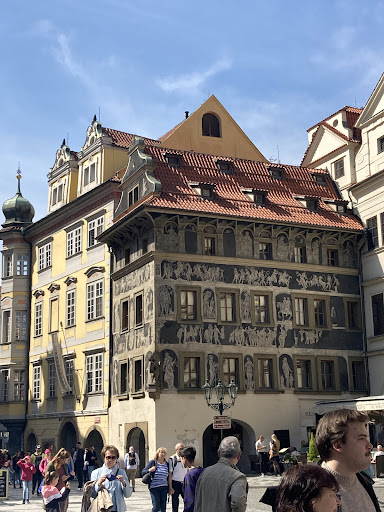
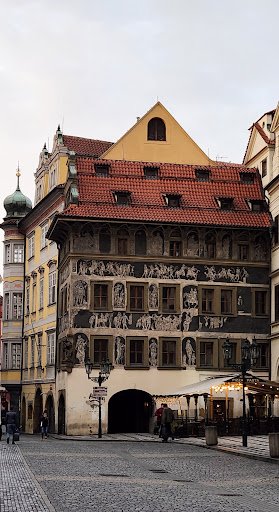
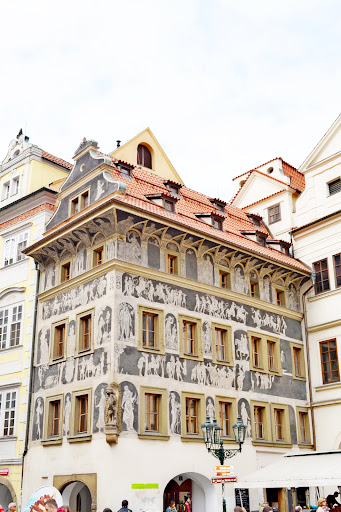
The House at the Minute
Staroměstské nám. 3/2, 110 00 Staré Město, Czechia
4.4(177)
Open 24 hours
Save
spot
spot
Ratings & Description
Info
Cultural
attractions: Prague Astronomical Clock, Old Town Square, Sex Machines Museum, Staroměstská radnice, St. Nicholas Church, Beer Museum, IAM Illusion Art Museum Prague, Church of Our Lady before Týn, Klementinum, Prague Golf & Games, restaurants: Terasa U Prince, Hard Rock Cafe, Black Angel's Bar, FAT CAT Old Town, Brasileiro U Zelené žáby, My People Bar, HanCook Korean Corn dog& Korean Chicken (Korean Street food), Restaurant U Prince, Staromáček, Havelská Koruna, local businesses: Good Food Coffee & Bakery, Illusion Art Museum Prague, Michalská 438/15, MANUFAKTURA, Louis Vuitton, National Gallery Prague – Kinsky Palace, U Kunštátů - Craft Beer in Old Town, Maisel Synagogue, Cartier, USE-IT Prague
 Learn more insights from Wanderboat AI.
Website
prague.eu
Plan your stay

Pet-friendly Hotels in Prague
Find a cozy hotel nearby and make it a full experience.

Affordable Hotels in Prague
Find a cozy hotel nearby and make it a full experience.

The Coolest Hotels You Haven't Heard Of (Yet)
Find a cozy hotel nearby and make it a full experience.

Trending Stays Worth the Hype in Prague
Find a cozy hotel nearby and make it a full experience.
Reviews
Live events
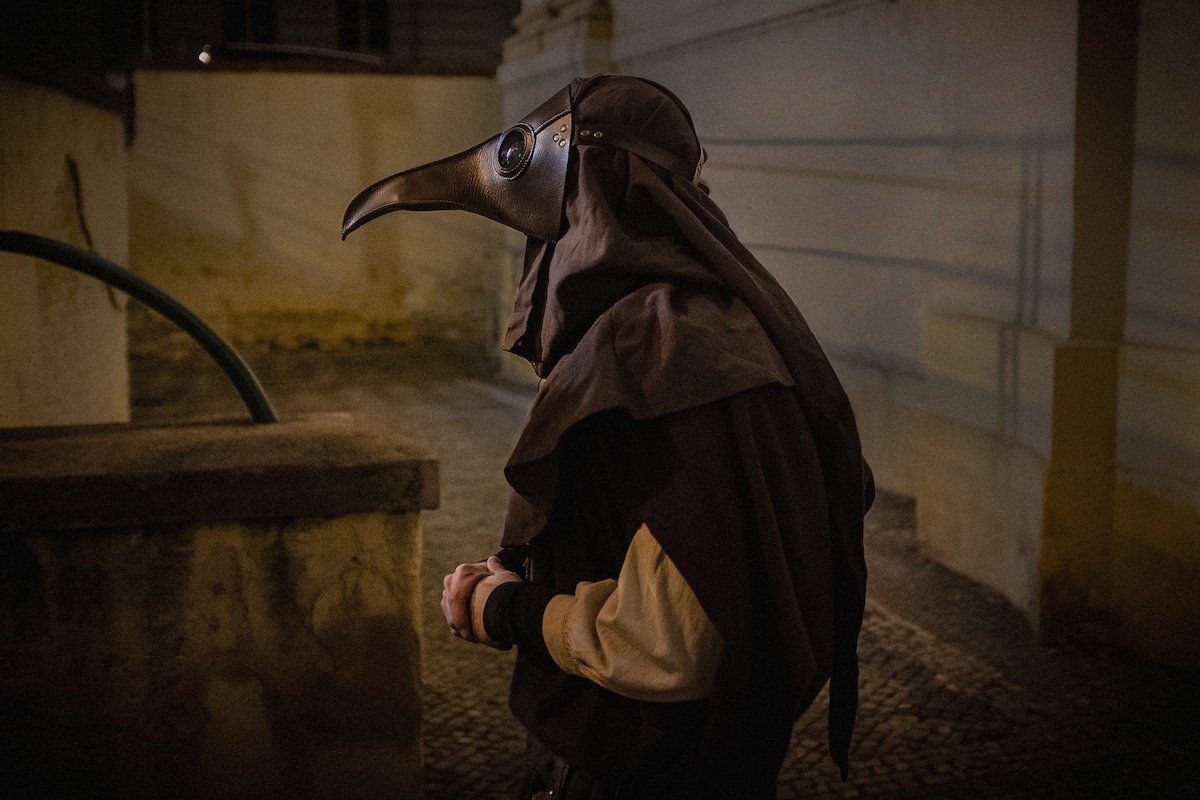
The Plague Doctor of Prague
Sat, Feb 28 • 8:00 PM
110 00, Prague 1, Czechia
View details
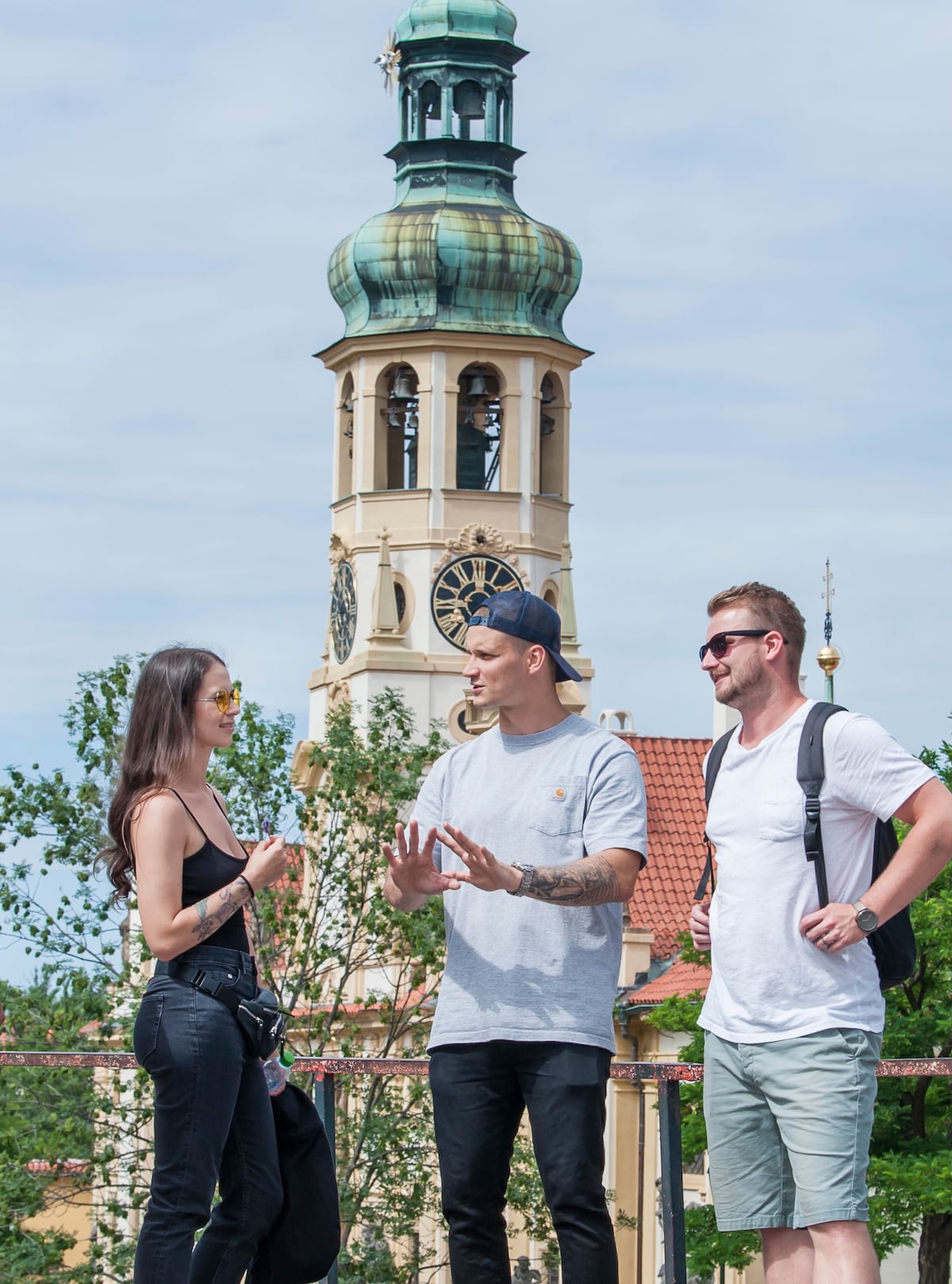
One Tour To Rule Them All ✌
Fri, Feb 27 • 10:30 AM
118 00, Prague 1, Czechia
View details
Nearby attractions of The House at the Minute
Prague Astronomical Clock
Old Town Square
Sex Machines Museum
Staroměstská radnice
St. Nicholas Church
Beer Museum
IAM Illusion Art Museum Prague
Church of Our Lady before Týn
Klementinum
Prague Golf & Games
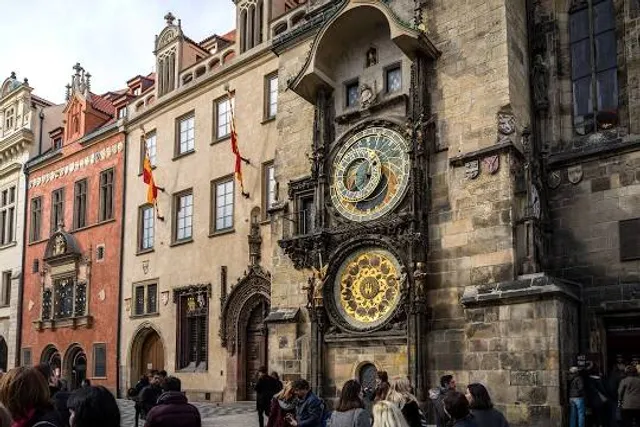
Prague Astronomical Clock
4.7
(31.5K)
Open until 8:00 PM
Click for details
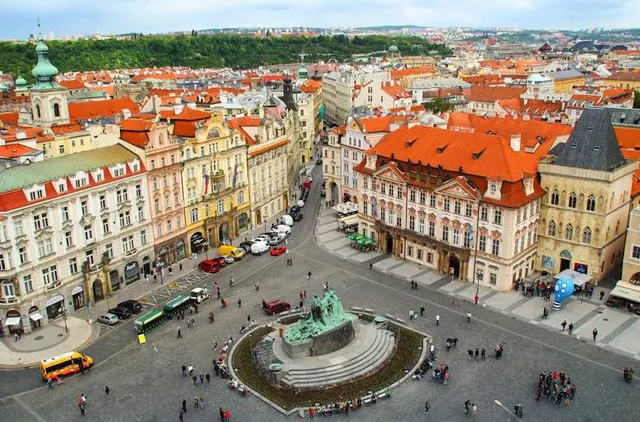
Old Town Square
4.8
(38.2K)
Open 24 hours
Click for details
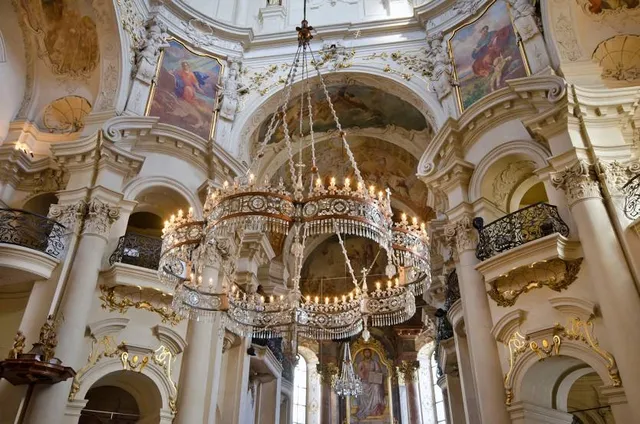
Sex Machines Museum
4.2
(5.3K)
Open until 11:00 PM
Click for details
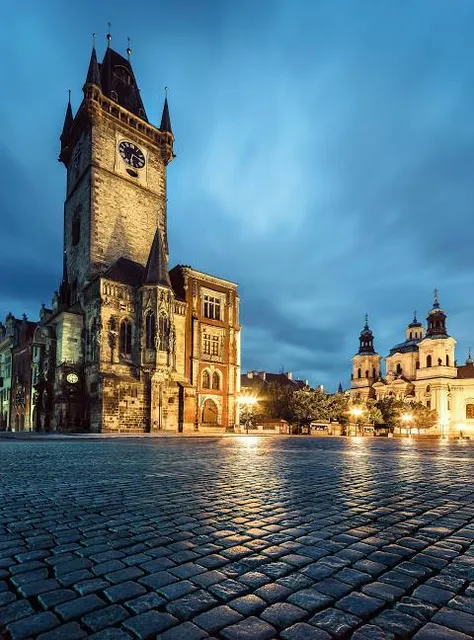
Staroměstská radnice
4.7
(1.1K)
Open until 7:00 PM
Click for details
Nearby restaurants of The House at the Minute
Terasa U Prince
Hard Rock Cafe
Black Angel's Bar
FAT CAT Old Town
Brasileiro U Zelené žáby
My People Bar
HanCook Korean Corn dog& Korean Chicken (Korean Street food)
Restaurant U Prince
Staromáček
Havelská Koruna
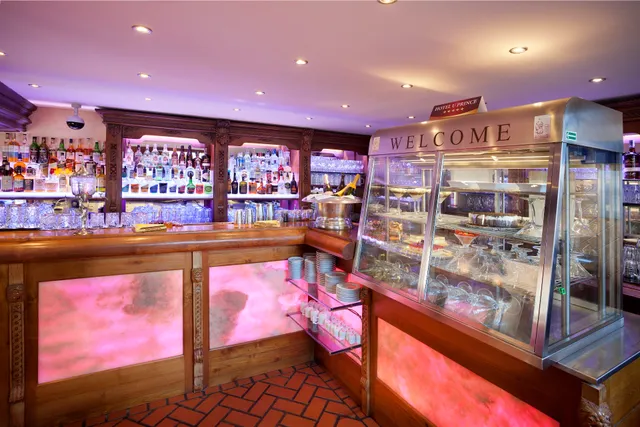
Terasa U Prince
4.0
(3.8K)
$$$
Open until 11:30 PM
Click for details
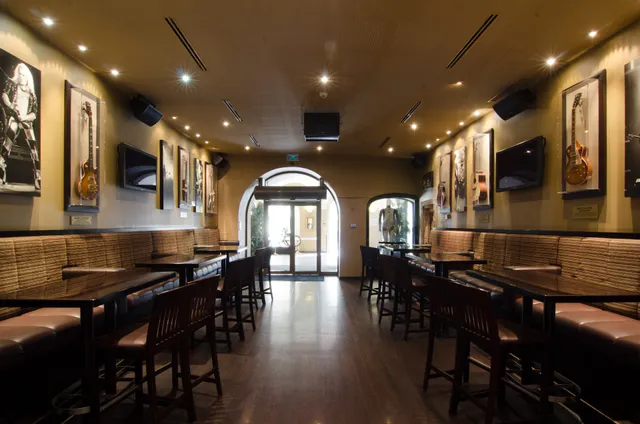
Hard Rock Cafe
4.5
(8.4K)
$$$
Closed
Click for details
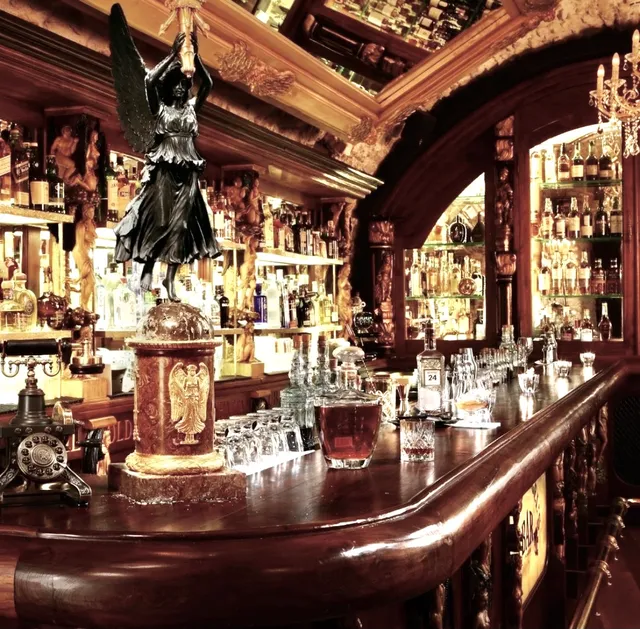
Black Angel's Bar
4.4
(1.4K)
$$
Closed
Click for details
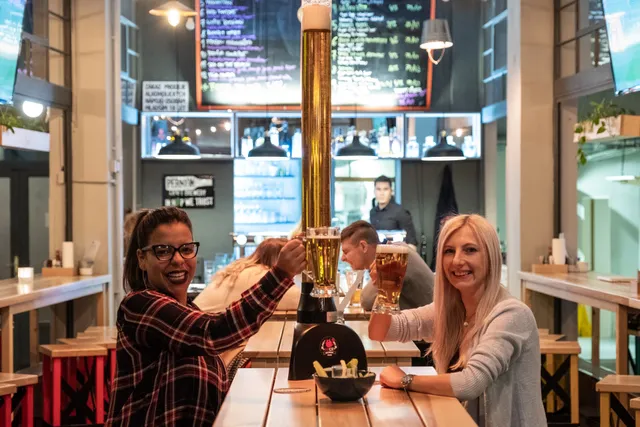
FAT CAT Old Town
4.6
(4.4K)
$$
Open until 11:00 PM
Click for details
Nearby local services of The House at the Minute
Good Food Coffee & Bakery
Illusion Art Museum Prague
Michalská 438/15
MANUFAKTURA
Louis Vuitton
National Gallery Prague – Kinsky Palace
U Kunštátů - Craft Beer in Old Town
Maisel Synagogue
Cartier
USE-IT Prague
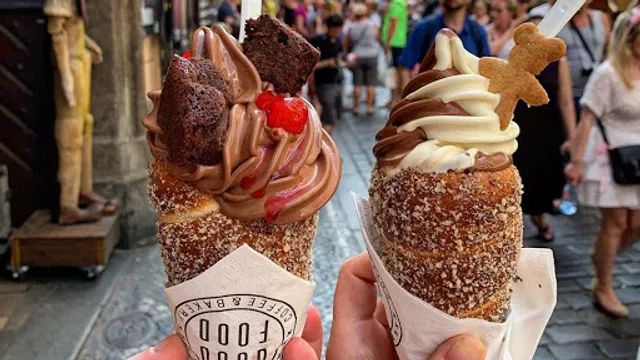
Good Food Coffee & Bakery
4.3
(1.8K)
Click for details
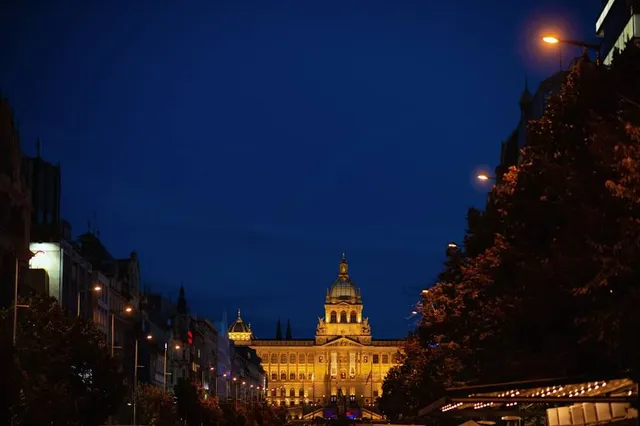
Illusion Art Museum Prague
4.3
(2.2K)
Click for details
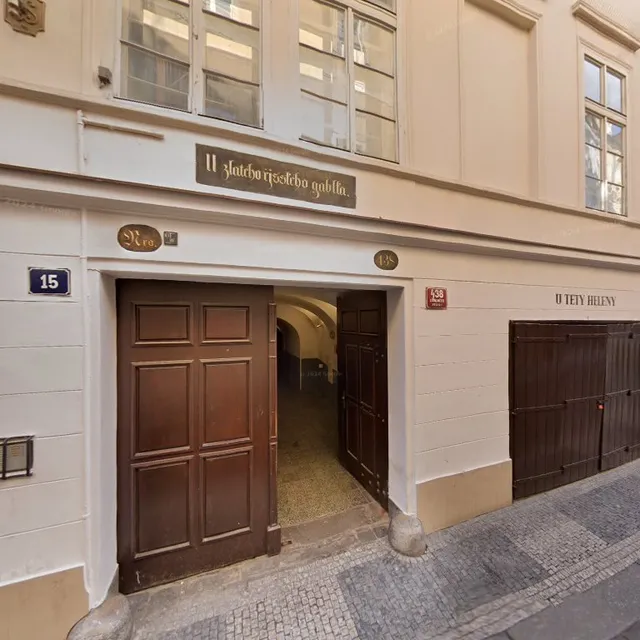
Michalská 438/15
4.3
(729)
Click for details
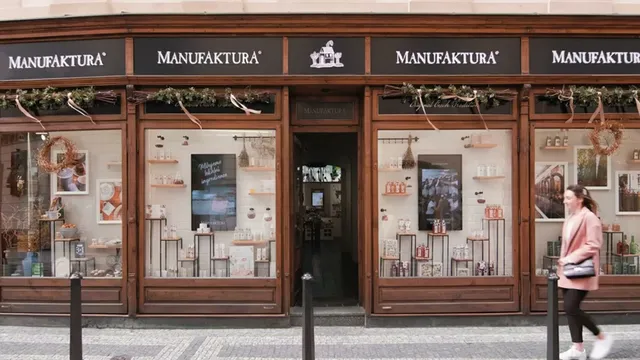
MANUFAKTURA
4.4
(348)
Click for details